 Believe
 Fear
Fear Strength
 Weakness
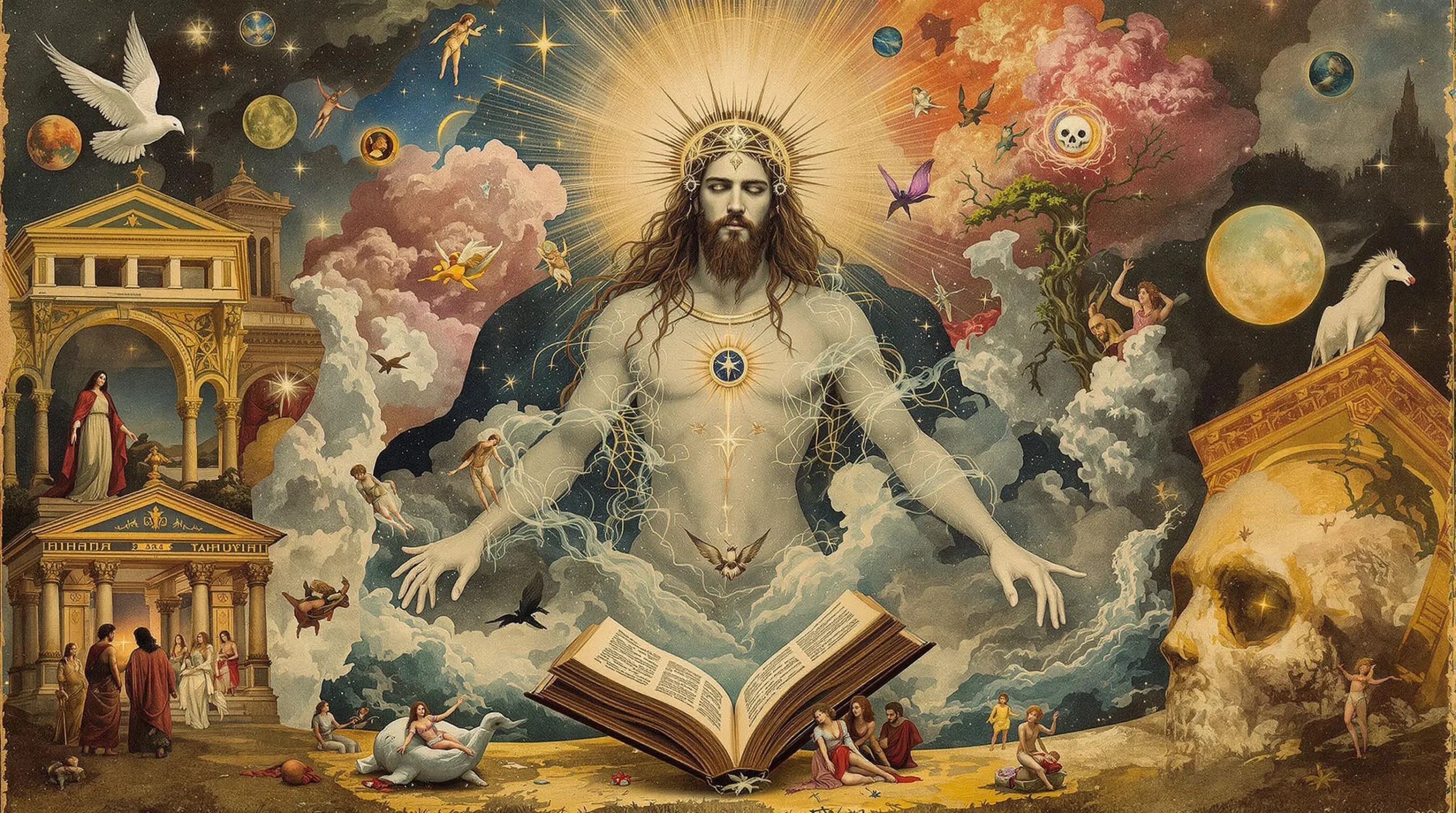
In the modern psyche, the Yahweh archetype may represent the universal human impulse to find or create order out of the primordial chaos of existence. It is the architect of the mind, the voice that separates the land from the sea within our own consciousness, drawing lines and creating categories to make the world legible. To have this figure in one's personal mythology could mean you possess an internal blueprint for reality. Life is not a series of random events but a structured narrative, a cosmos with rules, purpose, and a moral valence. This archetype symbolizes the power of the word to create worlds: your personal declarations, vows, and beliefs may feel as if they have the power to shape your reality.
This archetype could also be the personification of conscience, but magnified to a cosmic scale. It is the ultimate arbiter of right and wrong, the unblinking eye that witnesses all actions and intentions. For the individual, this might manifest as an incredibly strong, sometimes unforgiving, moral compass. The inner landscape may be structured like a courtroom, with the self perpetually on trial, seeking to live up to a sacred, internal law. This isn't just about guilt; it's about a profound yearning for righteousness, for an alignment of the self with a perceived absolute good. The symbolism is one of immense gravity, where personal choices have ultimate consequences.
Furthermore, Yahweh could symbolize the principle of transcendence itself. It is the part of the self that refuses to be defined by circumstance, biology, or societal pressure. It is the claim to a higher identity, a 'chosen' nature that sets one apart. In a personal mythos, this may fuel a powerful drive toward self-realization and purpose, a belief that one's life is meant to serve a calling that originates from beyond the mundane. This archetype is the anchor for a story that is not just about living, but about fulfilling a destiny, building a personal 'promised land' on earth according to a divine vision.