 Believe
 Fear
Fear Strength
 Weakness
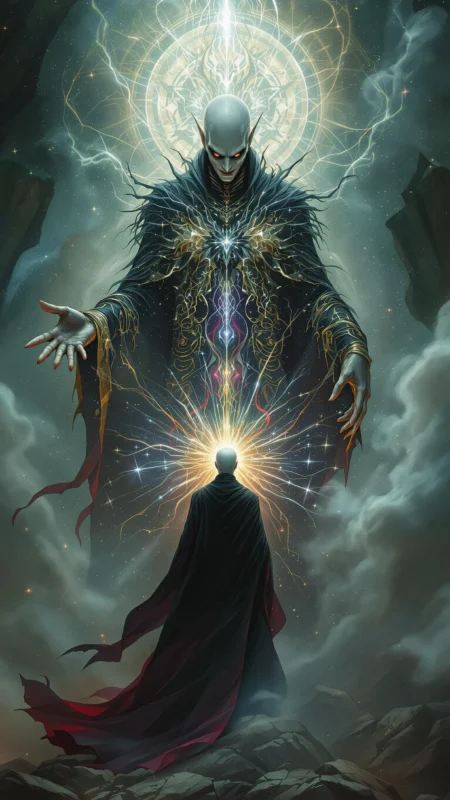
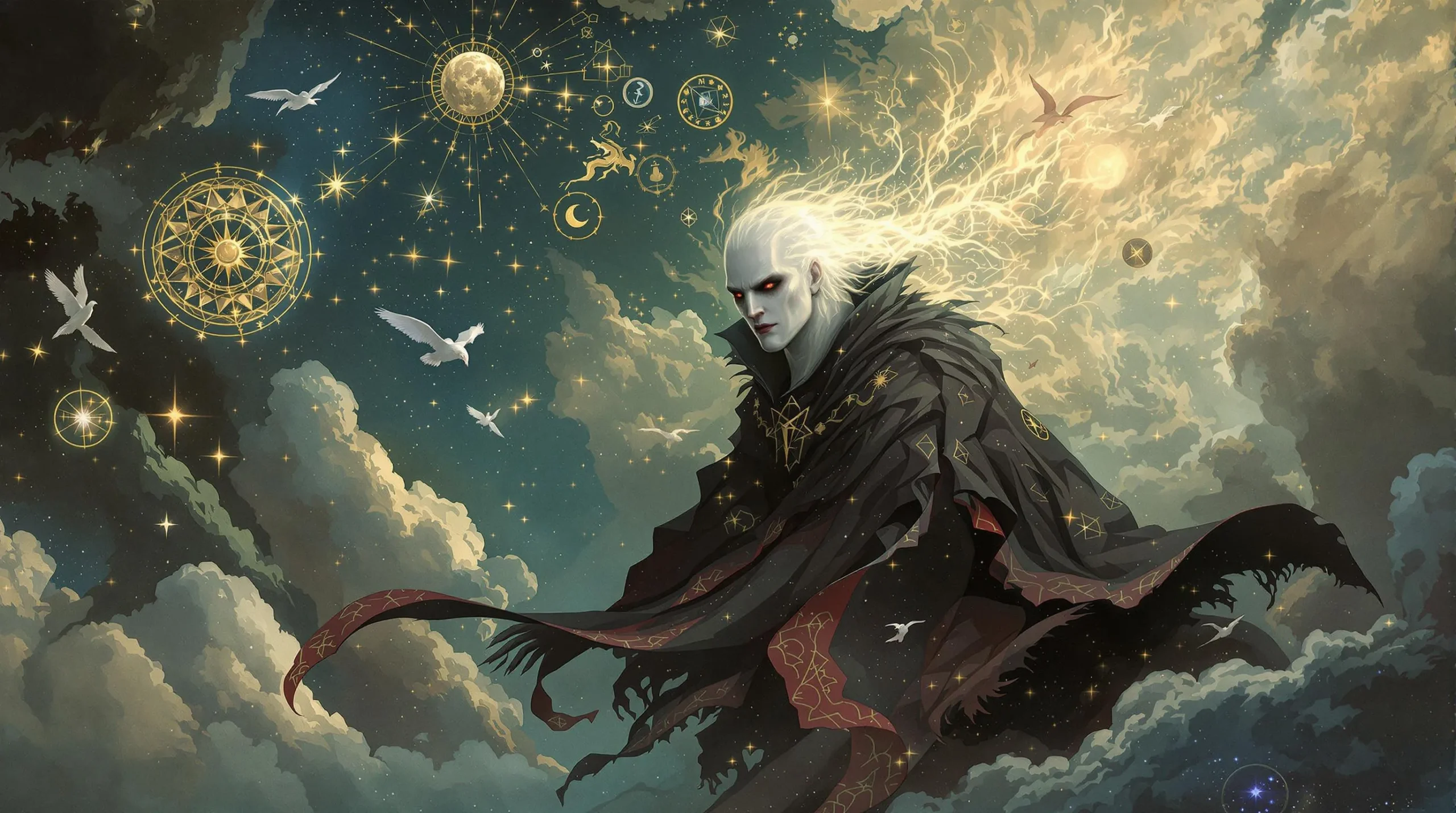
The Voldemort archetype is a modern tapestry woven from ancient fears: the dread of oblivion, the seductive poison of absolute power, and the horror of a fragmented self. He is not merely evil; he is a void, a being hollowed out by his own desperate attempts to become eternal and solid. His symbolic weight lies in the Horcrux: the deliberate act of murdering to splinter one's own soul for a sliver of continued existence. In a personal mythology, he may represent the parts of ourselves we have sacrificed for security or advancement. He is the ghost of a future we are too afraid to let die naturally, a future purchased at the cost of our own integrity.
He is, perhaps, the ultimate symbol of fear-based existence. Every action, every alliance, every cruelty is a reaction to his foundational terror of death. This reframes the nature of evil itself, suggesting it is not a force of strength but a symptom of profound weakness and cosmic cowardice. For the individual, Voldemort could be the internal voice that whispers for purity and control, the impulse to build walls instead of bridges, the part that equates vulnerability with annihilation. He is the chilling reminder that the quest to eliminate all weakness can become the greatest weakness of all.
Furthermore, the archetype explores the failure of intelligence without wisdom. Voldemort is brilliant, charismatic, and powerful, yet he is undone by the simplest forces he cannot quantify or comprehend: love, loyalty, and self-sacrifice. He is a monument to the sterile, lifeless nature of a world stripped of these things. He symbolizes the profound truth that a life without connection, a life lived only to avoid its end, may not be a life at all, but merely a protracted state of dying.