 Believe
 Fear
Fear Strength
 Weakness
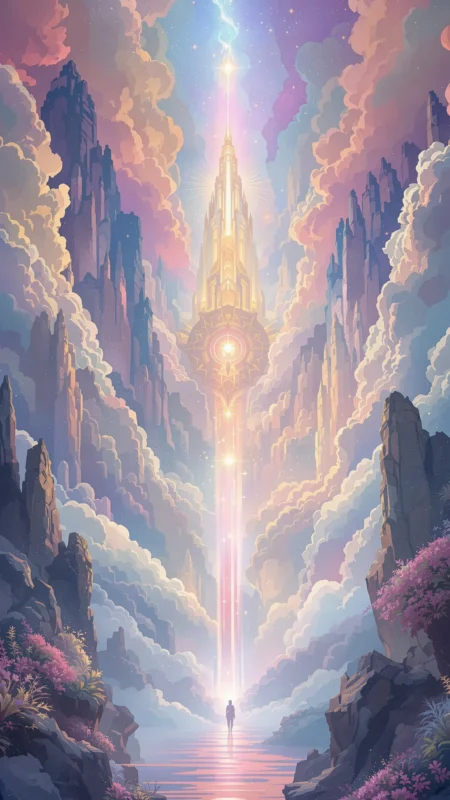
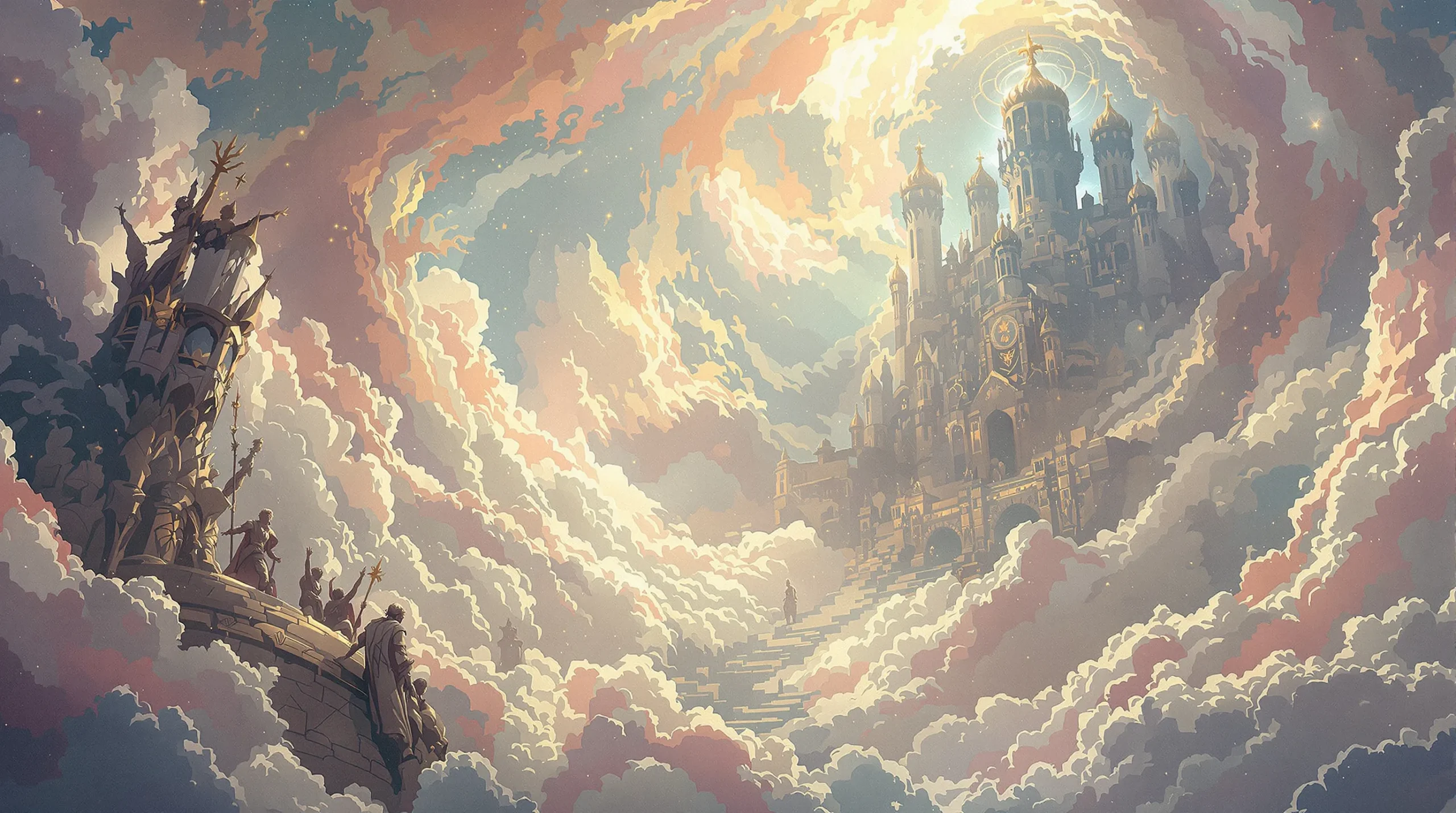
In the landscape of the modern psyche, Valhalla is perhaps not a promise of an afterlife, but a metaphor for a particular kind of fulfillment. It represents the belief that true peace is not a gentle slope, but a high plateau reached by a treacherous climb. It is the internal architecture of earned success, a psychic space constructed from the very struggles it took to get there. To have Valhalla in your personal mythology is to hold the conviction that a life well-lived is a life tested, and that the celebration is made sweeter by the memory of the battle. It is the grand hall of the soul where you feast with the ghosts of your former, weaker selves, honoring them for the fight that allowed your current self to emerge.
The archetype speaks to a rejection of unearned comfort. It is the antithesis of the quiet retirement cottage or the serene meadow. Valhalla is loud, boisterous, and alive with the energy of past conflicts overcome. It suggests a value system wherein scars are more beautiful than unblemished skin, and resilience is the highest virtue. This place within us is where we store our proudest moments of endurance. It's the memory of finishing the marathon, of navigating a brutal negotiation with integrity, of sitting with a loved one through a long illness. It is the internal proof that we were tested and not broken.
Ultimately, Valhalla symbolizes a destination built from effort. It is the state of being where you can finally look back on the chaos of your life’s battles and see not a mess of painful events, but a glorious, coherent saga. It is the moment of integration, where struggle is transmuted into strength, and pain into purpose. It's the knowledge that when the end comes, you will not be met by a void, but by a roaring fire and a seat at a long table, surrounded by all the versions of you that fought honorably to get you there.