 Believe
 Fear
Fear Strength
 Weakness
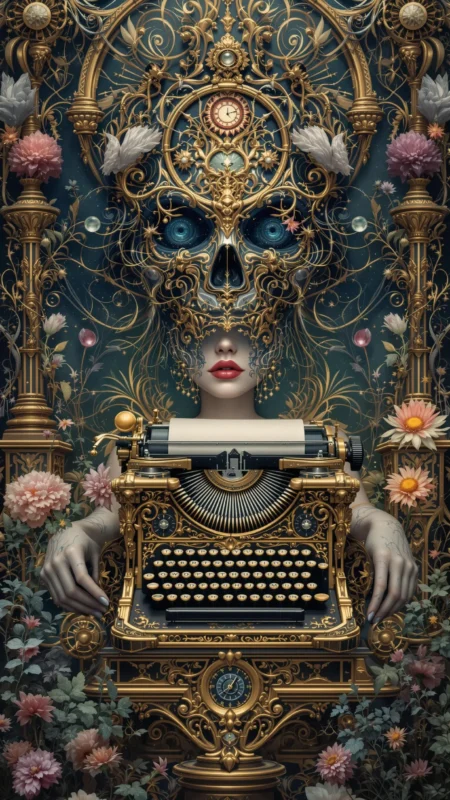
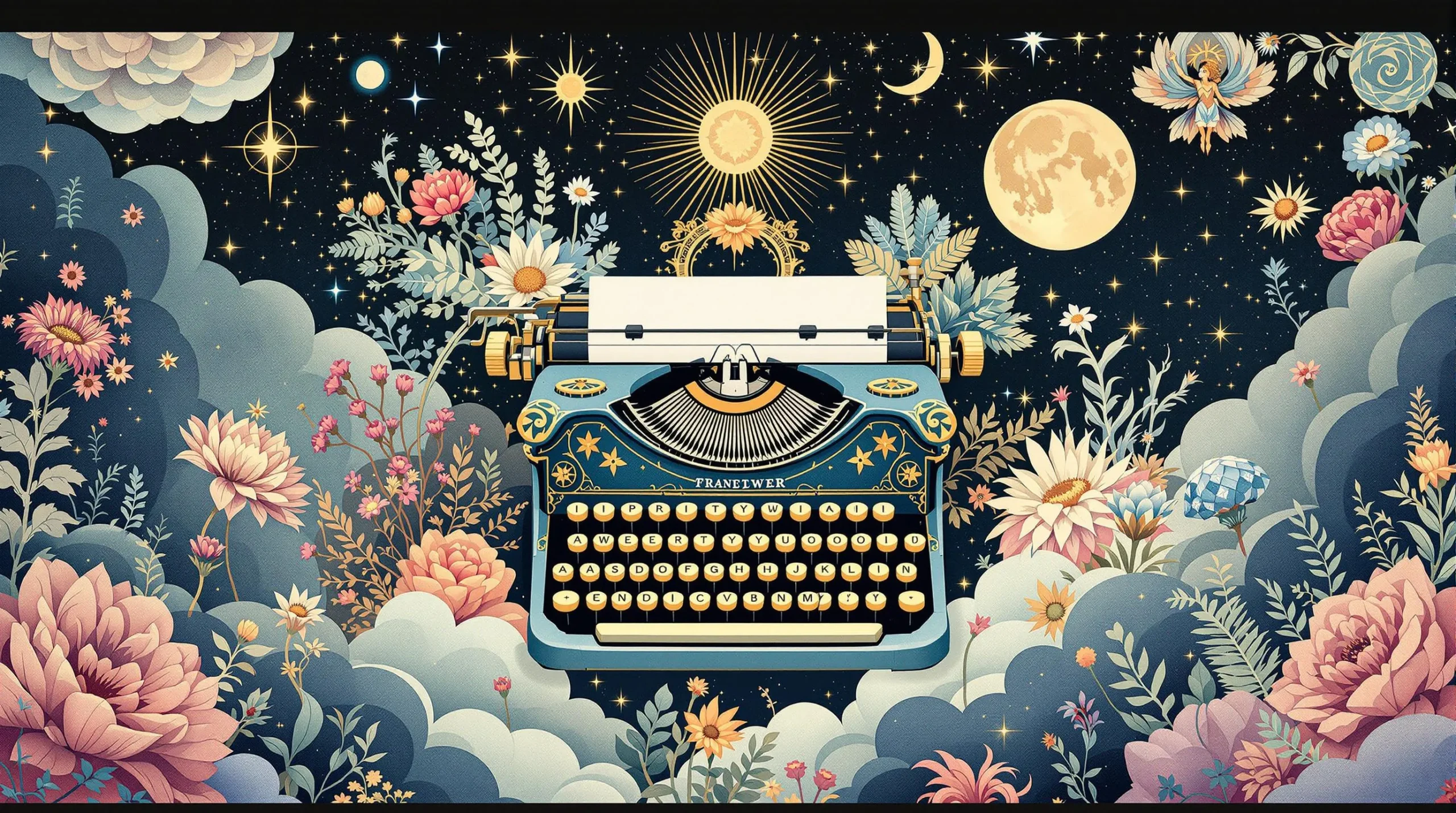
In a culture of infinite edits and ephemeral digital content, the Typewriter may emerge in a personal mythos as a symbol of consequence. It stands for the gravity of words and the permanence of choice. Each sentence typed is a pact with reality, an assertion that cannot be silently deleted. To have this archetype is perhaps to believe that your actions leave a tangible mark, that your life is not a draft to be endlessly revised but a final manuscript being written in real time. It represents a deliberate mode of being, one that values the considered statement over the impulsive comment, the committed act over the provisional gesture.
The Typewriter could also symbolize a profound connection to the labor of creation. It is the antithesis of the effortless, invisible work of the digital realm. Its heft, the resistance of its keys, and its noisy operation are constant reminders that bringing something new into the world requires force, effort, and rhythm. This archetype might speak to a part of you that craves a tangible relationship with your own productivity, a desire to hear and feel the output of your intellect. It is a link to a lineage of thinkers and creators who physically battled with their medium to give form to their thoughts.
Furthermore, the Typewriter can represent a particular kind of voice: declarative, resolute, and unapologetic. It is not a voice that whispers or suggests; it is a voice that states. This archetype might shape a personality that communicates with stark clarity, that builds arguments with the percussive force of conviction. In your personal mythos, you may not be just a character in the story, but the narrator, the one whose function is to impose order on the chaos of events, to frame the narrative, and to pronounce, with authority, what things mean.