 Believe
 Fear
Fear Strength
 Weakness
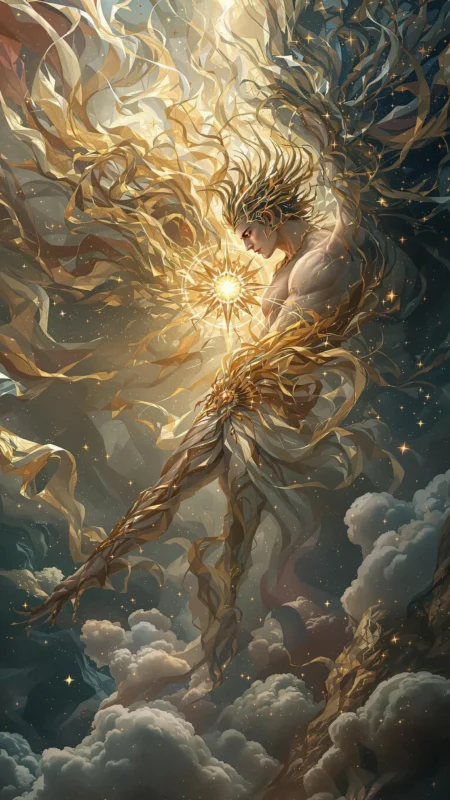
The Titans are not merely ancient gods of brute force: they are the archeology of the psyche. They symbolize the foundational layers of our being, the pre-civilized, untamed energies that heave and shift beneath the manicured gardens of our conscious personality. They are the raw material of creation itself, the colossal, unformed ambitions and the seismic passions that precede refined thought and moral calculus. In a personal mythology, the Titan is the part of you that remembers a time before rules, a self that was pure potential, as vast and untamed as the earth before it was mapped. To connect with this archetype is to touch the magma core of your own being, the power that can both create continents and destroy them.
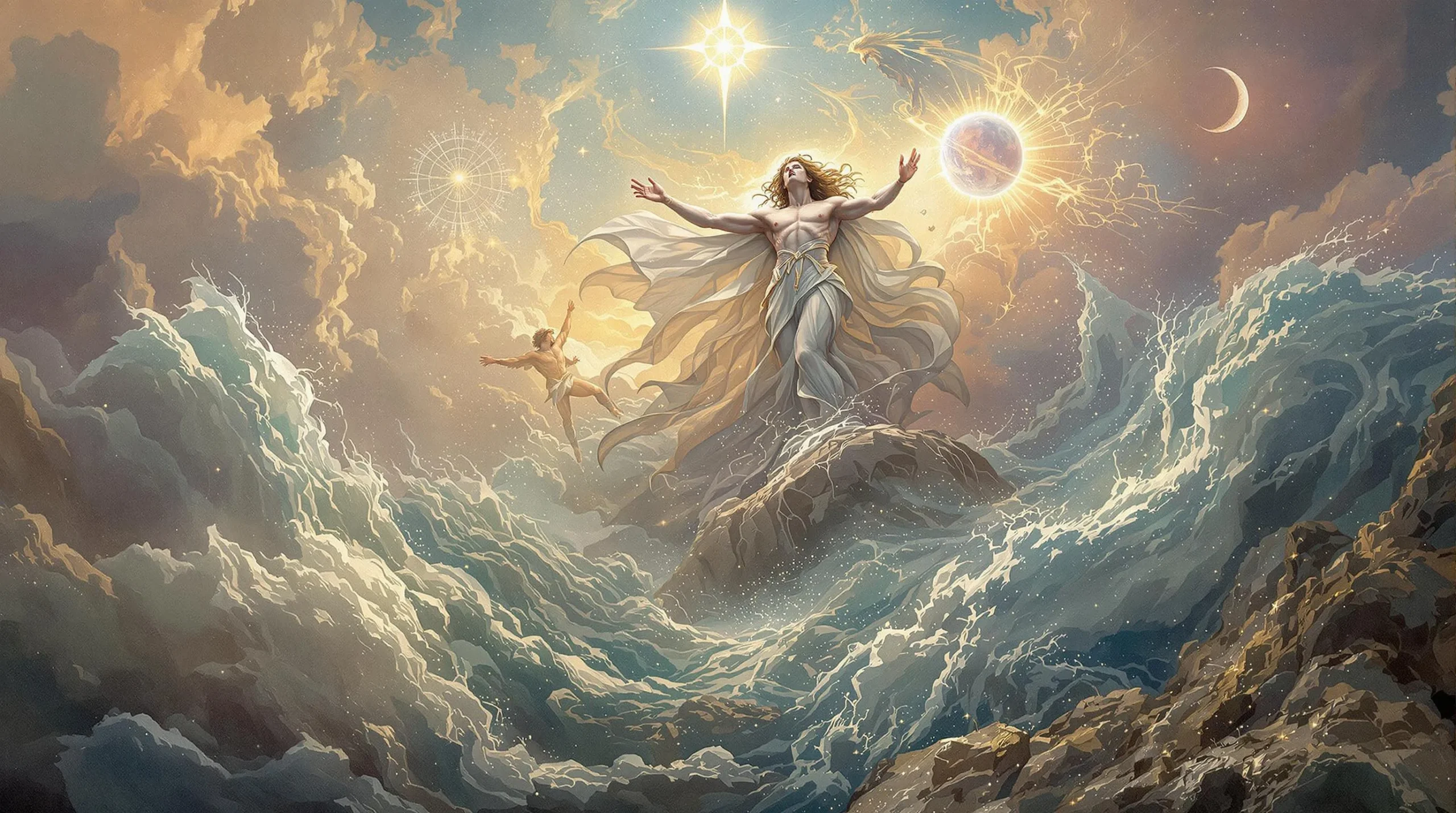
They represent the necessary and often violent transition between one order and the next. The Titanomachy, their war with the Olympians, is the perennial story of the old guard being overthrown by the new. Within your own mythos, this may manifest as the struggle against parental expectations, the rebellion against a constricting career, or the internal war to dethrone a tyrannical inner critic. The Titans remind us that progress is not always a gentle ascent; sometimes it is a cataclysm, a breaking of cosmic chains. They are the patrons of the revolutionary, the iconoclast, the artist whose vision is so large it threatens to shatter the existing frames of reference.
Furthermore, the Titan archetype speaks to a profound and sometimes painful endurance. Think of Atlas, holding the heavens on his shoulders, or Prometheus, chained to the rock. Their fate is often one of profound, lonely burdens. This could symbolize the weight of a secret, the responsibility of a great talent, or the lonely path of a visionary. It is a strength born not of agility but of sheer mass and persistence. The Titan in your personal story may be the part of you that can withstand immense pressure, that can hold up your world when all else fails, even if the cost is a kind of eternal, static suffering.