Believe
 Fear
Fear Strength
 Weakness
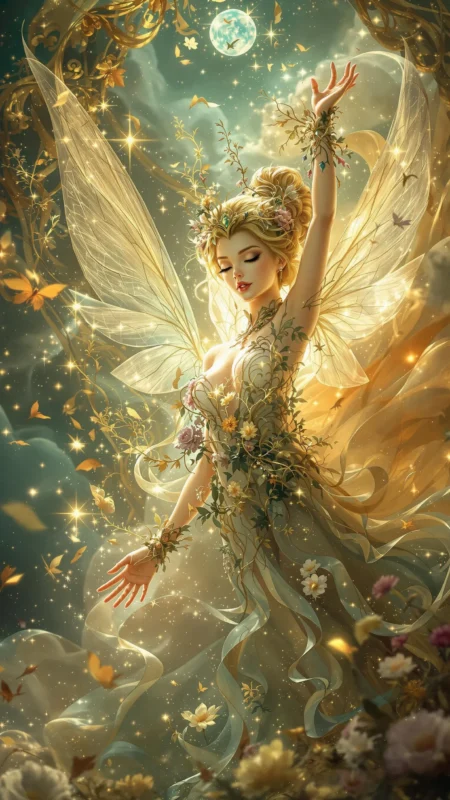
The Tinker Bell archetype is, perhaps, the patron saint of emotional intensity as a magical force. Her light is a barometer of her inner state: flaring with rage, glowing with affection, dimming with sorrow. She represents a form of power that is not intellectual or moral, but elemental and physiological. In a personal mythos, she suggests that feelings are not merely reactions to the world but are themselves potent agents capable of shaping it. To have Tinker Bell within is to understand that your joy could be the very thing that allows another to fly, and your despair could, quite literally, extinguish a light in the universe.
There is also the forgotten magic in her name: she is a tinker, a mender of pots and pans. This speaks to a profound and humble form of creativity, the art of seeing value in the broken and discarded. This archetype champions the resourcefulness that repairs rather than replaces. She finds the sacred in the mundane task of making something whole again. She symbolizes the belief that there is no such thing as scrap; there are only things waiting for the right kind of cleverness and care to be made useful and beautiful once more. This is the magic of resilience, of putting the pieces back together, not as they were, but as they can be.
Ultimately, Tinker Bell is a living metaphor for the things that exist only so long as we believe in them. She is hope. She is imagination. She is the fragile wonder of a childhood conviction. Her existence is a collaborative act between the magical and the mundane, requiring a clap of affirmation from the real world to sustain her ethereal one. To integrate her into one’s mythos is to accept the responsibility of being a keeper of the flame, to understand that the most precious parts of our inner and outer worlds may wither from simple neglect. She is a reminder that belief is not a passive state, but an active, world-sustaining verb.