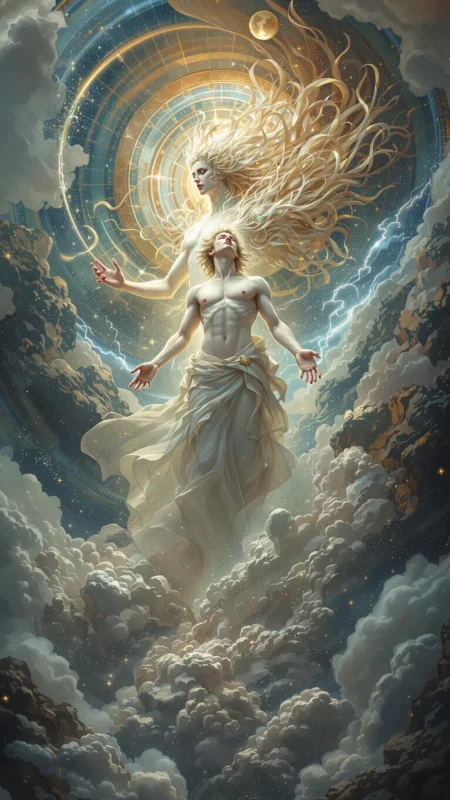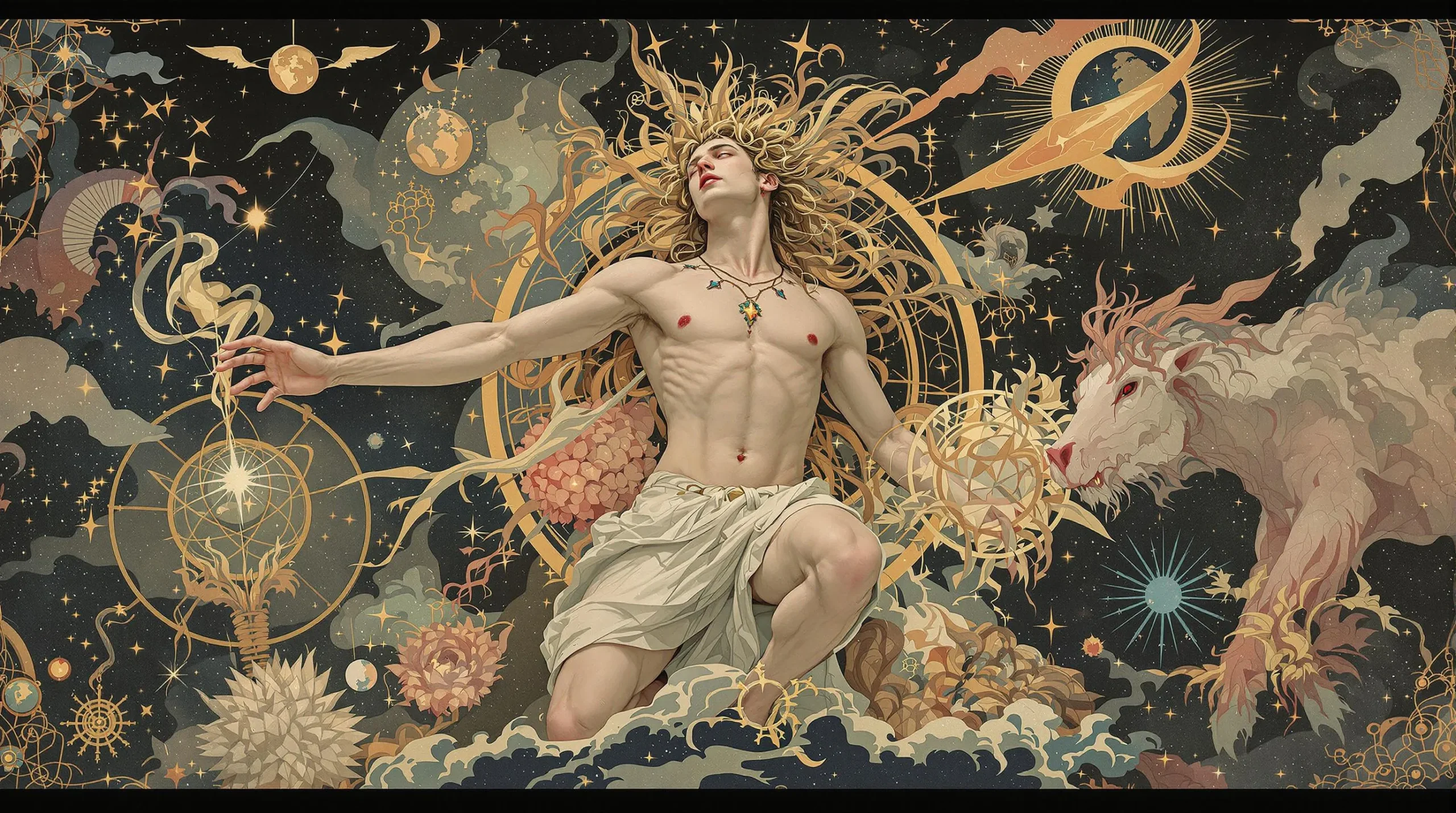


Theseus

Archetype Meaning & Symbolism

Heroic, reckless, innovative, forgetful, pioneering, brash, civilized, entitled, courageous, ungrateful, unifying, restless

  • This is true liberty, when free-born men, having to advise the public, may speak free.

If Theseus is part of your personal mythology, you may...

Believe

  • Every complex problem has an elegant, simple solution waiting to be discovered by someone brave enough to look for it.

  • It is my duty and my purpose to confront the darkness that others fear, to bring order to chaos and to protect the vulnerable.

  • My identity is not fixed; it is a story of my actions and achievements, and I can rebuild and redefine myself at any time.

Fear

  • That in the quiet after the victory, I will find an unbearable emptiness, that I am nothing without a monster to fight.

  • That my heroic focus on the 'mission' will cause me to forget what truly matters, leading me to hurt the ones I love through carelessness.

  • That I will become the tyrant of the very city I built, unable to let go of control, my heroic virtues curdling into vices.

Strength

  • Uncommon courage: a willingness to volunteer for the journey into the heart of a problem while others hesitate.

  • Innovative problem-solving: a knack for finding the 'thread,' the simple, brilliant solution within a complex system.

  • Foundational leadership: the ability to unify disparate groups and build new, thriving communities or enterprises from scratch.

Weakness

  • The 'Ariadne syndrome': a tendency to form intense, utilitarian relationships for a specific quest, only to abandon them once the goal is met.

  • The 'black sail' flaw: a thoughtlessness about the emotional consequences of your actions, a forgetfulness that causes unintended grief to those who care for you.

  • An addiction to crisis: a restlessness and inability to function in times of peace, which may lead you to subconsciously create chaos.

The Symbolism & Meaning of Theseus

The Theseus archetype is the patron saint of the brilliant, flawed founder. It is the myth of the civilizing hero, the one who ventures into the chaotic, brutal wilderness of the world, or the self, and establishes order. His story is not one of flawless divinity but of human ingenuity pressed into the service of a heroic ideal. The Labyrinth is the perfect metaphor for any intricate, overwhelming system: a corporate bureaucracy, a toxic family dynamic, the baffling architecture of one's own psyche. Theseus doesn't just blunder through; he innovates. Ariadne’s thread is the key: it may be a new technology, a radical piece of insight, or the love of another that provides the one simple trick for navigating an impossible complexity. His journey symbolizes a profound belief in solutions, in the human capacity to face the monstrous and not only survive, but build something better in its wake.

To have Theseus in your personal mythology is to understand that heroism is often messy, a series of ad-hoc solutions to existential problems. It is to feel a calling to confront what society has walled off and deemed too terrible to face. The Minotaur could be a public injustice everyone is afraid to name, or it could be the shame at the heart of a family. Theseus represents the courage to say: I will go. I will face it. But his myth is also a cautionary tale, etched in the black sail of his return. Victory can breed a profound forgetfulness, a callous disregard for the very people and promises that made the victory possible. He is the hero who saves the city but may forget to call his father.

The Ship of Theseus paradox becomes a central contemplation on identity. If every part of you changes—your cells, your beliefs, your relationships, your career—what remains? The Theseus archetype suggests that identity might not be a fixed object but a continuous story, a vessel defined by its journey rather than its original materials. You are not the person you were seven years ago, yet the narrative thread remains. This lends a kind of freedom, a permission to evolve, to replace the rotting planks of old traumas and outdated beliefs with new strengths, all while still being unapologetically yourself.


Theseus Relationships With Other Archetypes

The Labyrinth

The Labyrinth may not be an antagonist to Theseus so much as a collaborative partner in a stark and solitary dance. It is the intricate stage upon which his identity is forged, its winding corridors perhaps mirroring the convoluted pathways of his own psyche. One might say that Theseus does not conquer the maze but learns its silent, geometric language, internalizing its logic until the architecture without matches the architecture within. He may enter as a challenger, but he could emerge as a living embodiment of the Labyrinth itself: a being of complex turns, hidden chambers, and a central, guarded core. The maze, then, is less a prison he escapes and more a kind of monastic crucible, the necessary void that gives his heroism its shape and shadow.

Ariadne's Thread

With Ariadne's Thread, Theseus engages in a relationship of profound and perhaps tragic utility. The thread is a silver cord of intuition, a borrowed map for a landscape that has no cartographer. It could represent a moment of grace, a flash of insight, or the love that makes a terrifying journey feel, for a moment, possible. Yet, the hero’s path seems to necessitate leaving the source of this grace behind on the shores of Naxos. This act of abandonment might not be born of simple cruelty, but from a kind of brutal existential logic: the guide that leads you into the depths cannot always be the one to accompany you into the light. The thread, once its purpose is served, may become a ghost limb, a tool whose memory is woven into the hero’s being, even as its physical form is forsaken.

The Shipwright

The Shipwright represents the quiet, iterative process that Theseus, as a concept, must perpetually undergo. If Theseus is the ship whose planks are replaced one by one, the Shipwright is the unseen artisan of that transformation. This figure could be the force of time, the subtle pressures of civic duty, or the hero’s own conscious effort to evolve beyond the singular, bloody triumph in the maze. The relationship is one of maintenance and reinvention, a slow craft that happens in the harbor long after the celebrated voyage is over. While Theseus slays the Minotaur in a single, mythic act, the Shipwright ensures the vessel of his identity remains seaworthy, patching the hull of memory and replacing the rotted wood of past selves. It suggests that the most heroic act may not be the grand gesture, but the endless, unglamorous work of becoming.

Using Theseus in Every Day Life

Navigating a Career Labyrinth

When your professional life feels like a maze of dead ends and confusing corridors, the Theseus archetype offers a map. It is not about finding the easy way out, but about volunteering for the central challenge: the project no one wants, the role everyone fears. Like Theseus with Ariadne’s thread, you may find that the solution is an elegant, simple innovation that others overlooked, a new methodology or a clarifying vision that allows you to navigate the complexity and emerge a leader.

Founding a New Community

Whether starting a business, a family, or a neighborhood association, the Theseus mythos provides the blueprint for a founder. It speaks to the labor of synoikismos: the bringing together of disparate, scattered parts into a unified, functional whole. This archetype compels you to establish a shared identity, to defend the fledgling community from external threats, and to create the foundational laws, both written and unwritten, that allow for its flourishing. It is the drive to build a new Athens in your own small corner of the world.

Confronting a Personal Minotaur

The Minotaur is the monstrous secret at the center of the self: an addiction, a consuming rage, a bedrock shame. To embody Theseus is to stop placating the beast or pretending it doesn’t exist. It is the courage to enter the darkness of one's own psyche, to face the part of you that feels subhuman, and to meet it not just with brute force, but with a strategy. It is the recognition that this monster must be dealt with for you, and for all the “tributes” your destructive pattern has claimed, to be free.

Theseus is Known For

Slaying the Minotaur

His most famous labor

volunteering to be a tribute to Crete, where he navigated the Labyrinth and killed the monstrous Minotaur, a creature half-man and half-bull, freeing Athens from its oppressive obligation.

The Ship of Theseus

A thought experiment in identity. If Theseus's ship were preserved, and over the years every single plank and part were replaced, would it remain the Ship of Theseus? It questions the nature of continuity in an ever-changing self.

Unification of Attica

As king, Theseus is credited with the synoikismos, the political unification of the scattered towns and villages of the Attica region into a single Athenian state, laying the groundwork for its democratic future.

How Theseus Might Affect Your Personal Mythology

How Theseus Might Affect Your Mythos

When Theseus sails into your personal mythos, your life story may cease to be a passive experience and transform into a series of heroic labors. The narrative arc bends toward the impossible quest. You may find yourself drawn to situations of chaos, not as a victim, but as a potential restorer of order. Your personal history might be catalogued not by years, but by the 'Minotaurs' you have faced: the crushing first job, the defiant act of creation, the rescue of a friend from a dark place. Your story becomes one of a pioneer, the one who clears the path so that others may follow safely. You are the protagonist who volunteers for the journey into the maze.

This archetype also infuses a tragic element into your mythos, a pattern of unintended consequences born from heroic action. For every labyrinth navigated, there may be an Ariadne abandoned on an island. For every victory, a black sail of forgetfulness that causes collateral grief. Your personal history could be a landscape of great, shining cities you’ve built and the poignant relational ruins you left behind to do so. The mythos of Theseus is never just about the triumph; it's about the price of that triumph, the human messiness of the hero's journey, making your life story one of profound achievement haunted by a quiet sorrow.

How Theseus Might Affect Your Sense of Self

With Theseus as a guide, you may view yourself as fundamentally a problem-solver, a civilizing force. Your self-concept is likely tied to your competence and your courage. There is a deep-seated belief in your own agency: that you can and should be the one to step forward when others step back. This can foster a powerful sense of purpose and a resilient self-esteem built on a foundation of tangible achievements. You may see your flaws, like recklessness or forgetfulness, not as core failings but as the unfortunate, and perhaps necessary, byproducts of a heroic nature. You are the ship, constantly being rebuilt but always retaining the name.

However, this can also foster an identity that is contingent on crisis. In times of peace and stability, you may feel restless, lost, even useless. Your sense of self may flicker if there is no monster to slay, no labyrinth to navigate. This can create a fragile ego, one that needs constant validation through action and conquest. The risk is becoming so identified with the role of 'the hero' that you forget how to simply be. You might see the more passive, receptive parts of yourself as weak, failing to integrate the wisdom of Ariadne into your own being, instead always seeking it from external sources only to later discard them.

How Theseus Might Affect Your Beliefs About The World

To see the world through the eyes of Theseus is to view it as a place of hidden monsters and intricate mazes, a landscape demanding brave intervention. Society is not a given; it is a project, something to be built, protected, and improved. You may be drawn to systems thinking, always looking for the underlying architecture of a problem and the single, elegant intervention that can solve it. Injustice, corruption, and inefficiency are not just lamentable facts of life; they are Minotaurs, lurking in institutional labyrinths, waiting for a hero to arrive. This worldview is fundamentally optimistic about human potential, believing that with enough courage and ingenuity, order can be carved from chaos.

This perspective might also engender a certain naivete or reductive thinking. The world’s problems are not always singular monsters to be slain; often they are complex ecosystems of competing needs that resist a simple, heroic solution. A Theseus worldview may struggle with ambiguity and moral gray areas, preferring clear demarcations between hero and monster, civilization and wilderness, problem and solution. It can lead to a kind of heroic impatience, a frustration with nuance, and a belief that if others were just as brave and decisive, the world's troubles would already be solved.

How Theseus Might Affect Your Relationships

In relationships, the Theseus archetype may compel you to be a rescuer or a champion. You are drawn to partners who present a problem to be solved or a world to be built together. The initial phases of a relationship can be intensely exciting, a joint venture into the labyrinth. You are Ariadne’s perfect partner, the one who can take her thread of insight and put it into heroic action. You offer protection, solutions, and a grand sense of purpose. Alliances are your specialty; you know how to work with someone to achieve a monumental goal.

But the archetype carries the seed of abandonment. The pattern of Theseus is to unite with Ariadne to kill the Minotaur, and then leave her on Naxos. This can translate to a difficulty with the 'after'. Once the crisis is over, the shared project is complete, the monster vanquished, you may feel the connection has served its purpose. The quiet, sustained work of relational maintenance can feel like a dull shore after a heroic sea voyage. This may lead to a series of intense, purpose-driven relationships that end once the mission is accomplished, leaving a trail of bewildered partners who thought the adventure was the beginning, not the entirety, of the story.

How Theseus Might Affect Your Role in Life

Your perceived role in the world is that of the founder and the protector. You are not meant to be a caretaker of the old, but the architect of the new. Whether in a family, a company, or a social movement, you feel a deep-seated responsibility to be the one who establishes the foundations, who unifies the disparate parts, and who defends the fledgling creation from all threats. You are the first volunteer, the one who takes the calculated risk that everyone else is too afraid to take. Your purpose is not just to participate in the community, but to be the reason it exists or endures.

This can lead to a sense of being 'the pillar', a role that is both powerful and profoundly isolating. The weight of the entire structure feels as if it rests on your shoulders. You might struggle to delegate or to trust others, believing that only you have the vision and strength to see the project through. This can engender a kind of benevolent tyranny, where your essential role as founder makes it difficult for the community to evolve beyond you. The challenge for the Theseus role is to learn how to build something that is no longer dependent on its hero, to know when to slay the monster and when to let others take their turn.

Dream Interpretation of Theseus

To dream of Theseus, or of successfully navigating a labyrinth, may signal an awakening of your own heroic potential. It suggests you have the inner resources, the 'thread' of insight, needed to confront a major life challenge you have been avoiding. The dream may be an affirmation from your subconscious that you are ready to face your personal Minotaur—be it a deep-seated fear, a toxic relationship, or a self-destructive habit. Seeing Theseus could be a call to action, urging you to step into a leadership role or to solve a complex problem for your community. It is a dream of empowerment, competence, and impending victory.

Conversely, a negative dream involving this archetype could manifest as being hopelessly lost in an endless labyrinth, a symbol of being trapped in your own overthinking or a situation of your own making. Dreaming of abandoning Ariadne, or of realizing you've forgotten to change the black sail, points to a fear of your own capacity for carelessness and the unintended harm your actions cause. To dream of becoming the Minotaur yourself is the most potent warning: it suggests your heroic drive has become monstrous, that your ambition now consumes and victimizes others or your own soul. It is a sign that the shadow of the hero has taken over.

How Theseus Archetype Might Affect Your Needs

How Theseus Might Affect Your Physiological Needs

The Theseus archetype could manifest as a profound connection to the body as a tool for action and survival. Your physiological needs are filtered through the lens of performance. Food is fuel for the coming ordeal; sleep is recovery for the next challenge. This may lead to a disciplined focus on physical fitness, strength training, and endurance, viewing the body as the primary instrument through which you enact your will upon the world. There's a pride in physical capability, in knowing your body will not fail you when you venture into the labyrinth.

This focus can also lead to a disconnect from the body's subtler signals. Rest may be seen as laziness, and pain as something to be ignored or pushed through. The body is a servant to the heroic will, not a partner in the journey of life. This can lead to burnout, injury, or a chronic disregard for your own physical well-being. The Theseus drive can cause you to sacrifice your body for the sake of the 'mission,' forgetting that the ship itself needs care, not just the quest it's on.

How Theseus Might Affect Your Ideas of Belonging

Belonging, in the Theseus mythos, is something that is earned through heroic contribution. You secure your place in the tribe by being its champion, its savior. You are the one who slays the Minotaur, and for that, the city loves you. This can create powerful bonds, forged in the heat of shared struggle and collective deliverance. You belong because you are essential; your value to the group is clear, tangible, and celebrated. Your role as the unifier makes you the very center of the community you create.

However, this can make love and belonging feel conditional. You are loved for what you do, not for who you are. This can breed a deep-seated fear of being useless, a terror that if you were to stop achieving, stop saving, your place in the community would be revoked. It can create a profound loneliness, the isolation of the hero who is admired by all but truly known by none. You may struggle to accept love that is freely given, without a quest attached, suspecting it is not real because it has not been earned through a feat of strength.

How Theseus Might Affect Your Feelings of Safety

For the Theseus archetype, safety is not a place of retreat but a state of capability. True security does not come from high walls or avoiding danger, but from the confidence that you can defeat any threat that appears. This may lead you to proactively confront problems, to venture into 'unsafe' territory—be it a dangerous neighborhood, a volatile market, or a fraught conversation—with the intent of neutralizing the danger and making it safe for others. Safety is something you create, not something you find.

This proactive stance can paradoxically create more danger. By constantly seeking out monsters to slay, you may invite instability into your life and the lives of those around you. The need to prove your ability to conquer threats can become a self-fulfilling prophecy, leading to a life of perpetual crisis. Furthermore, it can create a blindness to insidious, non-confrontational dangers: betrayal, slow decay, or emotional manipulation, the threats that cannot be met with a sword.

How Theseus Might Affect Your Views of Esteem

Esteem is built on the bedrock of accomplishment. Your self-worth is a direct reflection of the challenges you have overcome and the order you have created. Each victory is a stone in the monument of your identity. You may keep a mental tally of your successes, drawing strength from past triumphs when facing future difficulties. This provides a robust, action-oriented source of self-esteem that is resilient in the face of adversity. You know your worth because you have proven it, time and again.

This also makes your esteem incredibly fragile, wholly dependent on the next win. Failure is not just a setback; it is a fundamental challenge to your identity as a hero. A single defeat can feel catastrophic, invalidating all previous victories. This can lead to an addictive need to constantly seek new, bigger challenges to prove your worth, unable to rest on your laurels. Your self-esteem becomes a ship that must be perpetually in motion, lest it sink in the quiet waters of inaction.

Shadow of Theseus

The shadow of Theseus is the hero who lingers too long, whose methods become the new tyranny. It's the point where the monster-slayer, addicted to the hunt, begins to see monsters everywhere, turning allies into potential threats and complex problems into enemies to be destroyed. This shadow self is the ultimate utilitarian, viewing people as mere instruments: Ariadne for her thread, his father Aegeus as a political stepping stone. The heroic drive curdles into a cold, calculating ambition. The city he founded to be a bastion of freedom might become his personal fiefdom, its citizens subjects rather than peers. The shadow Theseus is the man who becomes so identified with his heroic persona that he cannot tolerate peace or normalcy, and so he creates new labyrinths, new crises, just to feel alive.

When this shadow is ascendant, forgetfulness becomes a destructive force. It's not just a minor flaw; it's a profound callousness. The black sail is raised not by accident, but by a subconscious that has already moved on, that cannot be bothered with the sentimental duties of the past. The shadow Theseus abandons parts of himself just as readily as he abandons others. He leaves his compassion on one island, his humility on another, sailing ever onward in a ship of accomplishments, hollowed out and empty of relational warmth. He vanquishes the Minotaur in the maze only to enthrone a more sophisticated, human-looking monster on the throne of his own life.

Pros & Cons of Theseus in Your Mythology

Pros

  • You possess the genuine courage to face down societal, professional, or personal demons that paralyze others with fear.

  • You are a natural innovator and founder, uniquely capable of bringing order to chaos and building lasting structures, be they businesses, families, or communities.

  • Your actions inspire profound loyalty and admiration in others, motivating them to be braver and to believe that impossible challenges can be overcome.

Cons

  • You may struggle with the quiet, consistent demands of long-term relationships, finding them dull after the thrill of the heroic 'quest' phase is over.

  • Your single-minded focus on your goal can make you thoughtless about the emotional collateral damage your actions may cause others.

  • A life without a clear crisis or a monumental challenge to overcome can feel meaningless, leading to restlessness, instability, or the manufacturing of drama.