 Believe
 Fear
Fear Strength
 Weakness
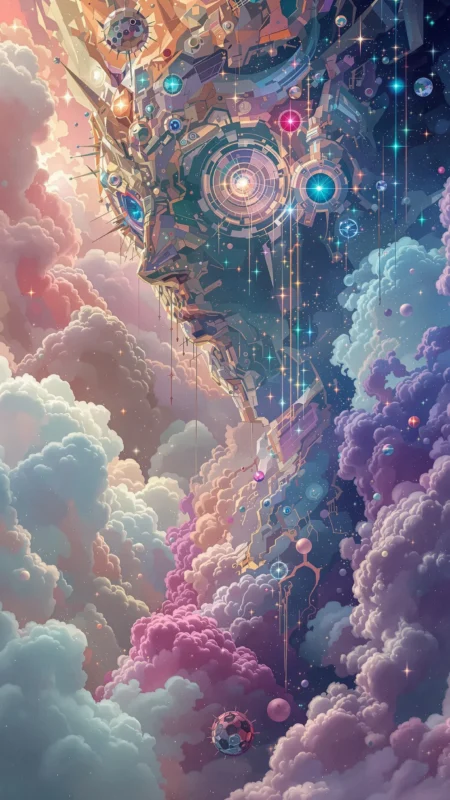
The Matrix, in the modern lexicon, has become a potent symbol for the systems, visible and invisible, that script our lives. It is the hum of the fluorescent lights in the office cubicle, the curated perfection of a social media feed, the unspoken rules of social etiquette. It symbolizes a consensus reality so pervasive that we mistake its boundaries for the edges of the world. To have The Matrix archetype active in your mythology is to be attuned to the code beneath the surface: to see the algorithms of culture, the programming of tradition, and the architecture of power that shapes what we believe, what we desire, and who we are permitted to become.
More profoundly, this archetype signifies the journey of awakening. It is not about a vague spiritual enlightenment but a sharp, sometimes jarring, recognition of constructed realities. This could manifest as the moment an artist sees the commercial forces shaping the art world, or when a citizen recognizes the narrative machinery behind a political movement. It is the choice to take the red pill: to prefer the desert of the real over a comfortable, anesthetizing falsehood. This choice initiates a personal exodus, a departure from the shared dream into a wilderness of self-definition where the rules are no longer given, but discovered.
Ultimately, The Matrix archetype is a mythology of agency. It posits that if reality is a code, it can be hacked. If life is a program, it can be rewritten. This transforms the individual from a passive user into a potential programmer of their own experience. The limitations of the physical world, the constraints of social roles, the inevitability of a certain life path: all become suspect, permeable. It is the belief that with enough awareness, one can learn to bend the rules, to find the bugs in the system, and to manifest a reality more aligned with a deeper, more authentic self that was dormant within the simulation.