 Believe
 Fear
Fear Strength
 Weakness
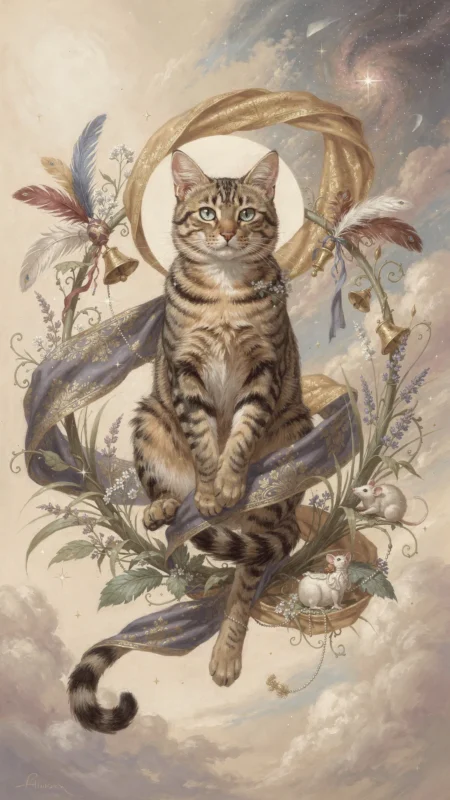
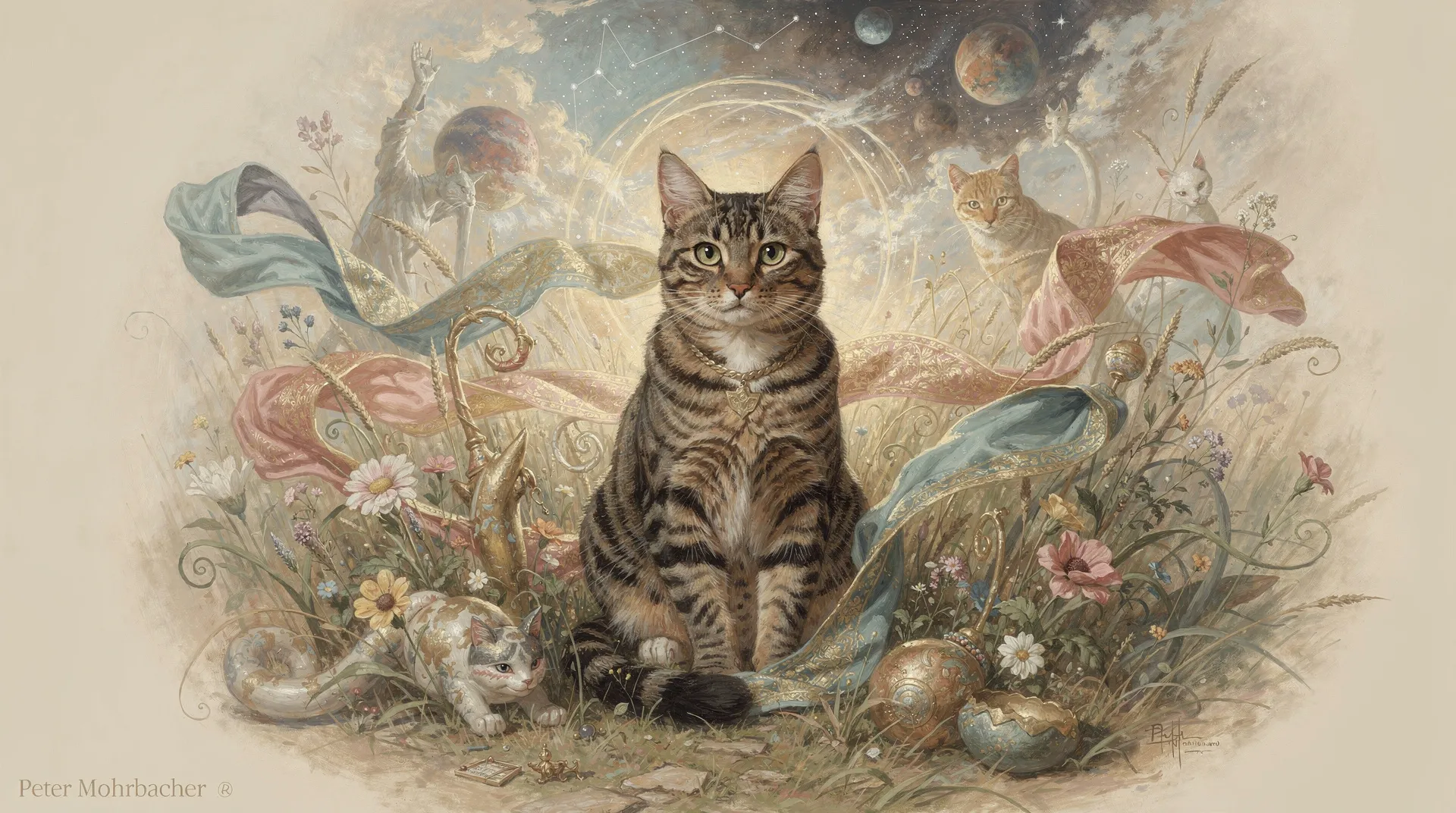
The Tabby, in the tapestry of modern symbolism, may represent a bridge between the wild and the tame, a creature comfortable in both worlds. This duality could offer a powerful message for personal mythologies: the ability to embrace our primal instincts while navigating the complexities of modern life. Perhaps we are reminded that vulnerability and strength can coexist, much like the Tabby’s soft fur and sharp claws. The Tabby's presence in our symbolic landscape may also speak to a quiet confidence. It doesn’t roar for attention; its power lies in its self-assuredness and quiet observation. This could resonate deeply with those who find their strength in introspection and mindful awareness, suggesting that true power may reside not in outward displays but in inner knowing.
The familiar striped coat of the Tabby may also signify a connection to the cycles of nature. Like the rhythmic changing of seasons, the Tabby embodies a natural flow between activity and rest, independence and connection. This could inspire a greater attunement to one’s own internal rhythms, encouraging a healthier balance between work and play, exertion and restoration. Perhaps the Tabby spirit animal encourages us to honor our natural ebb and flow, reminding us that periods of quiet reflection are just as important as moments of bold action. The Tabby's stripes themselves, repeating patterns, could symbolize the continuous unfolding of personal narratives, with each stripe a chapter in our individual stories.
Finally, the Tabby's association with domesticity could evoke a sense of belonging and comfort. The image of a cat curled up by the hearth may tap into a deep-seated longing for safety and connection. This may manifest in our personal mythologies as a renewed appreciation for the simple joys of home and the nurturing power of close relationships. Perhaps the Tabby reminds us that true strength can be found in vulnerability and that creating a safe haven for ourselves and our loved ones is a vital part of the human experience.