 Believe
 Fear
Fear Strength
 Weakness
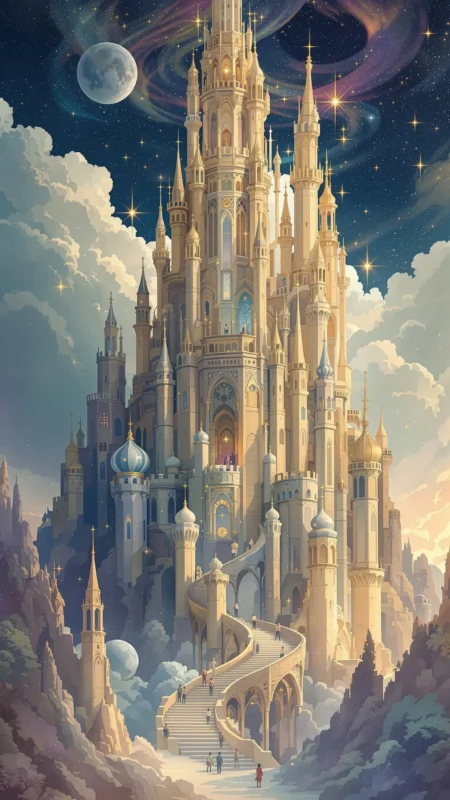
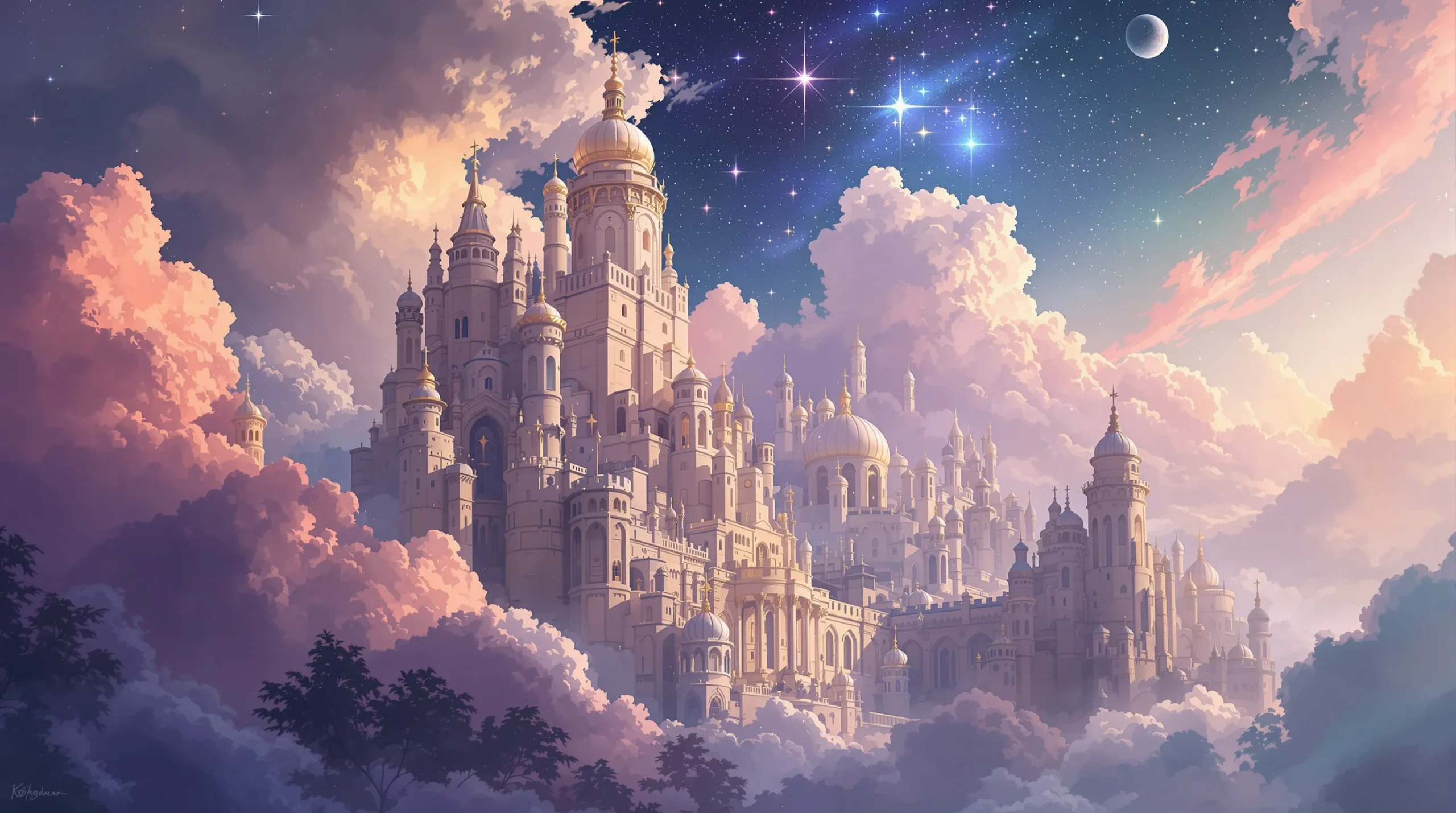
The Stronghold in a modern mythos is perhaps the architecture of the self, meticulously built against the ceaseless erosion of a hyper-connected world. It is the ultimate symbol of the private life, the sovereign territory of the mind where one’s true values are stored like sacred texts in a hidden library. Its walls may be constructed from principles, its moat filled with discernment, its gatekeepers embodied by hard-won wisdom. This isn't merely a place of safety, but a container for identity. It suggests that the self is not something discovered but something built, stone by stone, decision by decision. It is the conscious creation of an inner world so rich and well-defended that the chaos of the outer world loses its power to define you.
Furthermore, the Stronghold could symbolize a legacy, a container for what we wish to pass on. It is the family home filled with traditions, the body of work that holds a lifetime of ideas, or the set of ethics that provides a moral compass for the next generation. It speaks to a deep human need for permanence in an ephemeral existence. The stones we lay are not just for our own protection, but for those who will take shelter here after we are gone. Its presence in one's personal story may point to a profound orientation toward the future, and a sense of responsibility to preserve something precious against the tides of time and change.
At its heart, the meaning of the Stronghold is about the tension between connection and protection. It acknowledges the world as a place of both wondrous possibility and potential threat. It does not deny the need for engagement, but it insists on a secure place from which to engage. It is the base camp from which the adventurer departs and to which they return, the quiet harbor where the ship weathers the storm. It represents the wisdom of knowing when to lower the drawbridge and when to raise it, a delicate and life-long dance between the self and the other, the inner kingdom and the outer world.