Believe
 Fear
Fear Strength
 Weakness
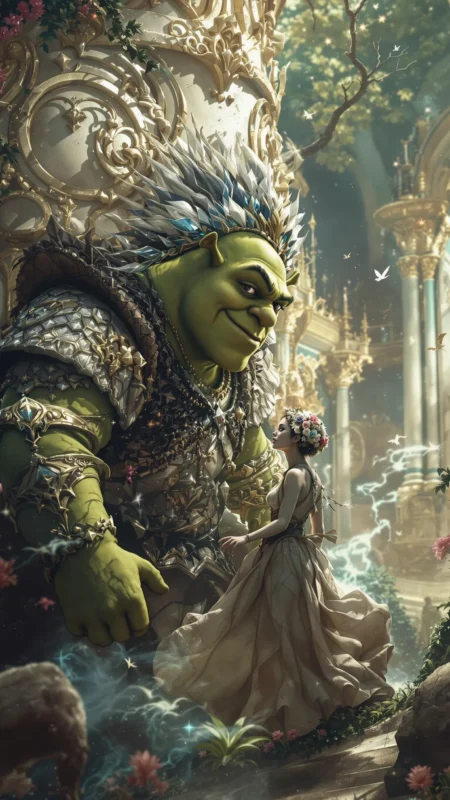
The Shrek archetype represents the potent magic of the rejected self. It is the part of us that society has deemed monstrous, uncouth, or unworthy, which, when embraced, reveals a core of profound strength and integrity. To have Shrek in your personal mythology is to understand that a fortress of solitude can be a sacred space, a swamp a sanctuary. It suggests a journey away from the curated perfection of the castle and into the messy, authentic, life-giving mud of one's own nature. This archetype doesn't seek validation from the polished world: it creates its own world, one where value is measured in loyalty, not appearance, and where happiness is a quiet morning, undisturbed.
Furthermore, the archetype is a walking commentary on the layers of identity. It champions the idea that what you see is never the whole story. The initial grumpiness is a protective layer, the cynicism a shield forged in past hurts. Beneath it lies a different reality: a capacity for deep love, a fierce protective instinct, and a longing for acceptance that is almost never voiced. The personal mythos of Shrek is about the slow, reluctant unfurling of these layers, not for everyone, but for the very few who prove they are worthy of seeing the core. It is the wisdom that vulnerability is not a weakness to be eradicated but a treasure to be guarded and selectively shared.
The archetype also offers a powerful critique of the “happily ever after” narrative. It proposes an alternative: a messily, complicatedly, authentically ever after. It decouples love from aesthetic perfection and romantic rescue, rooting it instead in the mutual acceptance of flaws. Fiona choosing to remain an ogress is the central thesis: true belonging is not changing to fit in, but being loved for the truth of who you are. This archetype, therefore, imbues a personal myth with a healthy skepticism toward packaged dreams and a deep, abiding faith in the beauty of the real, the earned, and the beautifully imperfect.