 Believe
 Fear
Fear Strength
 Weakness
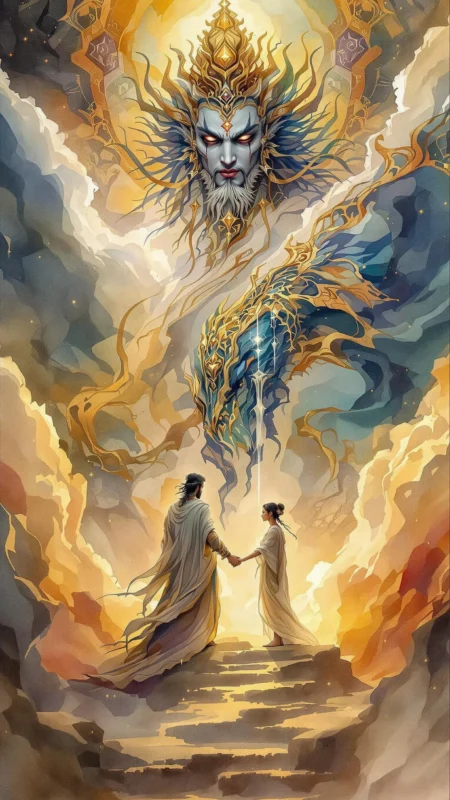
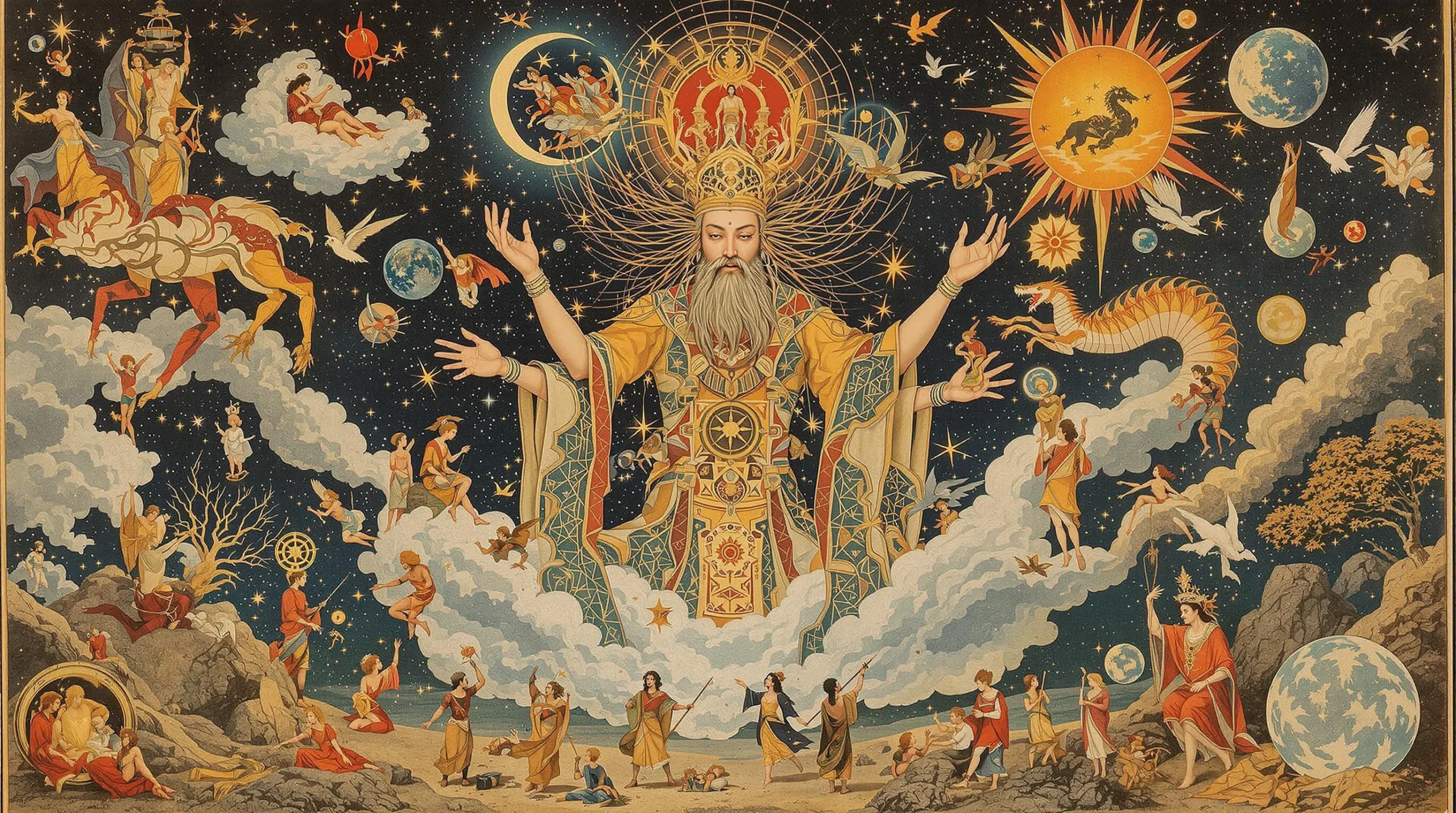
In the modern psyche, Shangdi surfaces as the quiet, persistent search for a unifying principle. In an age of fractured narratives and digital noise, this archetype represents the silent, sky-like consciousness that watches above the fray. It is the part of you that believes, perhaps against all evidence, in a fundamental moral architecture to the universe. To have Shangdi in your personal mythos is to feel the weight and solace of this architecture in your own bones. You may find yourself drawn to systems, codes, and philosophies that promise a grand, organizing truth, seeing your life not as a personal improvisation but as a single, crucial note in a cosmic symphony that was composed long before your arrival.
The archetype speaks to a kind of impersonal love: a benevolent but distant regard for creation. It is the love of the gardener for the entire garden, not for a single rose. This symbolism could manifest as a profound sense of responsibility for the collective. You might feel a calling to create systems of justice, fairness, or beauty, whether in your family, your workplace, or your art. This is the impulse to build something that will outlast you, to establish an order that is so self-evidently good and true that it needs no signature. It is the quiet confidence of knowing your role is to align things correctly and then step back, allowing the inherent harmony of the universe to flow through the channels you have carved.
Ultimately, Shangdi symbolizes the seat of sovereignty within the self. It is the inner emperor, the final arbiter of your own moral conduct. This archetype suggests that true power is not imposed from without but emanates from a core of unshakeable integrity. When you consult this part of yourself, you are accessing a tribunal that is older than your own anxieties and wiser than your immediate desires. It is the source of the ‘Mandate of Heaven’ for your own life, the deep, intuitive knowledge that as long as you act with virtue and clarity, you have the right to rule the kingdom of your own being.