 Believe
 Fear
Fear Strength
 Weakness
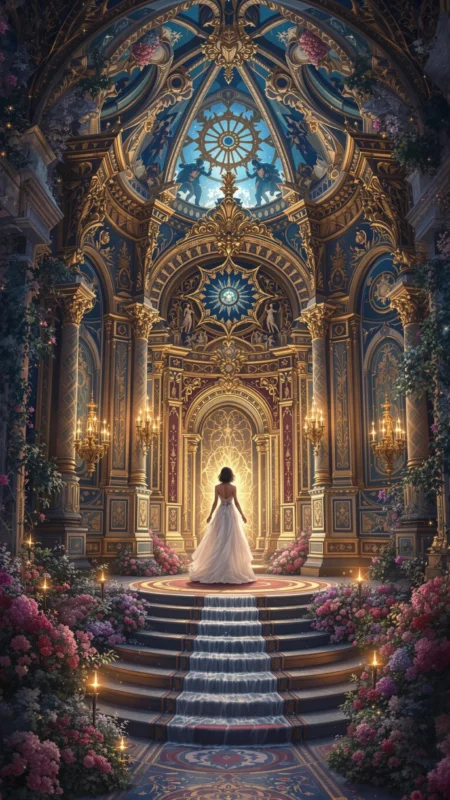
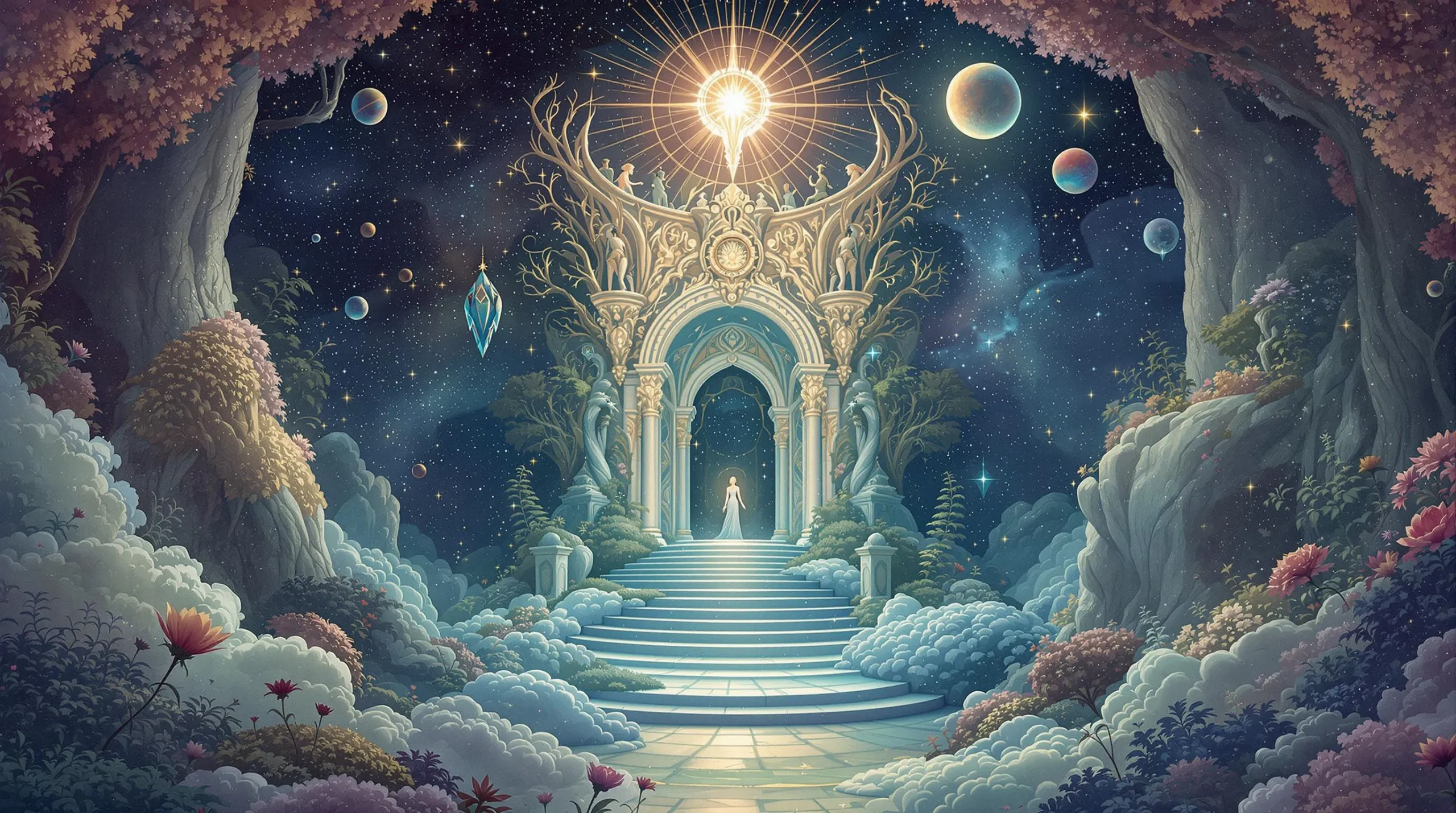
In an era of relentless connectivity, the Secret Room archetype emerges as a potent symbol of psychic sovereignty. It represents the deliberate act of carving out a space that is un-Googlable, un-shareable, and utterly one's own. This is not merely about privacy: it is about the preservation of the unformed. The room may be where you house the tender, embryonic versions of yourself, the half-formed beliefs and fledgling talents that would wither under the harsh light of public scrutiny. To have a Secret Room in your personal mythology is to insist that some part of you remains sacred, un-commodified, and offline. It is a quiet rebellion against the mandate to be perpetually visible and knowable.
The meaning of the room may shift throughout a life. In youth, it could be a place of fantasy and escape, a Narnia entered through the back of a closet where one is the sole monarch. In mid-life, it might become a laboratory for reinvention, a space to privately dismantle a life that no longer fits and begin blueprinting a new one. In later years, it could transform into a library of memories, a quiet hall where one walks among the ghosts of past selves, integrating a lifetime of experiences. The contents are less important than the existence of the room itself: its presence affirms a belief in a soul that has depth, texture, and regions yet to be explored.
Ultimately, the Secret Room is a metaphor for the subconscious mind made architectural. It may contain that which we have intentionally hidden, but also that which we have simply forgotten. It could hold the key to a family secret, a repressed trauma, or a powerful creative gift that was shelved long ago. The act of finding, entering, and tending to this room becomes a central quest in one's personal story. It is the process of integrating the hidden parts of the self, of acknowledging that the most important rooms in our house are the ones no one else knows exist.