 Believe
 Fear
Fear Strength
 Weakness
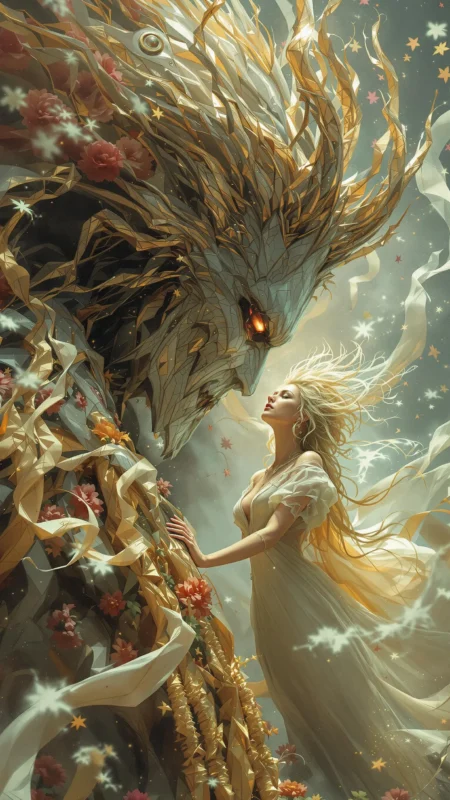
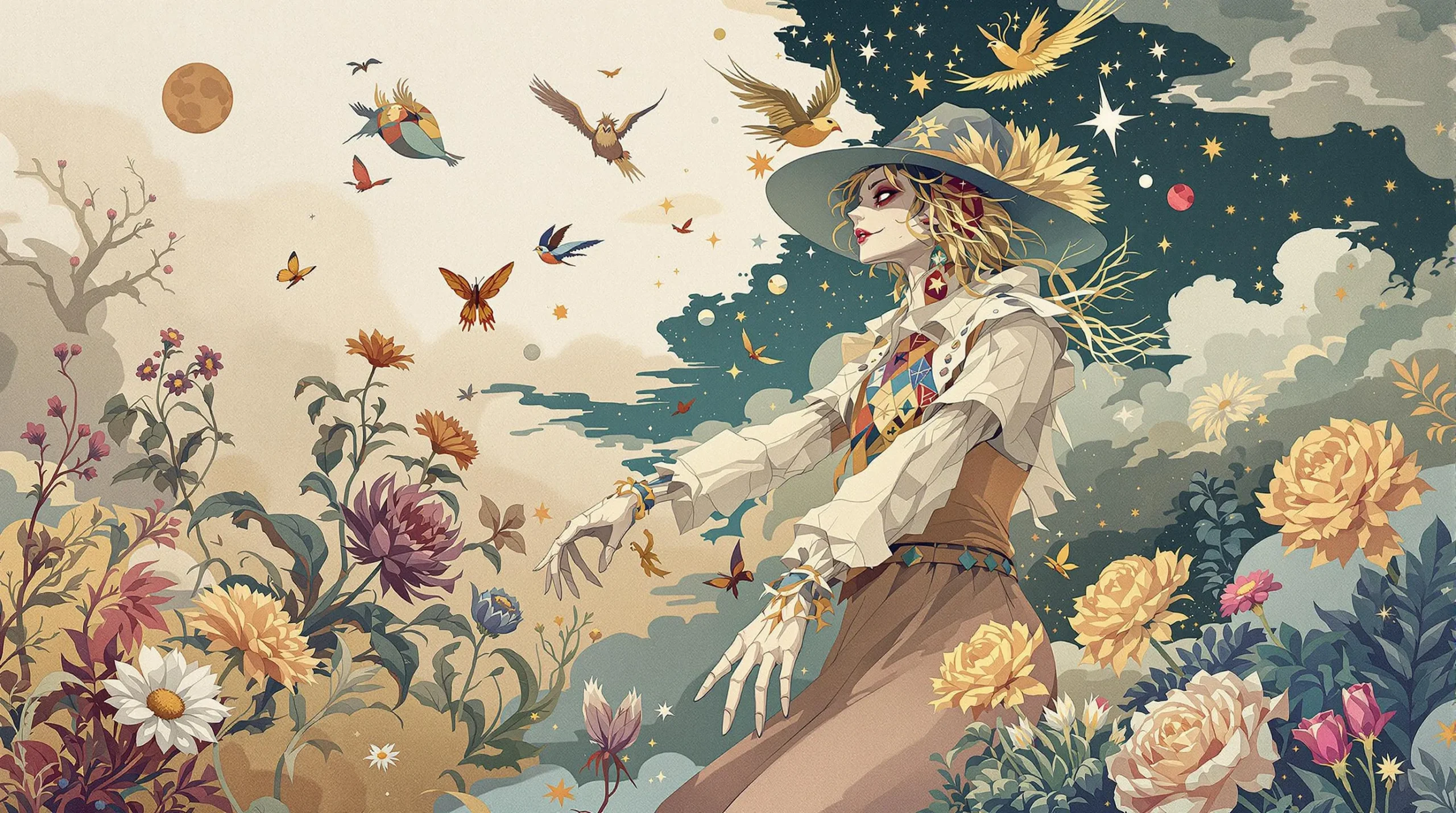
The Scarecrow stands as a profound paradox: the symbol of intellect for those who feel they have none. It is the patron saint of impostor syndrome, the quiet genius who believes their own thoughts are merely stuffing. In a personal mythos, the Scarecrow may represent a lifelong quest for the very thing one already possesses. It is the search for external validation, for a wizard to grant a diploma to a mind that has already proven its worth through observation, creative problem-solving, and a quiet, unassuming wisdom. The Scarecrow does not symbolize a lack of intelligence, but rather a lack of belief in one's own intelligence. It is the gentle, profound humility that comes from being perpetually underestimated, most of all by oneself.
This archetype may also symbolize the unique wisdom born of stillness. Unlike other heroes on a more kinetic journey, the Scarecrow's origins are stationary. Its knowledge comes not from traveling the world but from watching one small patch of it with unwavering attention. To have the Scarecrow in your personal mythology could suggest a value placed on depth over breadth: the deep understanding of a single subject, a single relationship, a single place. It is an emblem of patience and observation, a reminder that insight is often a matter of standing still long enough to see the patterns that others, in their haste, rush past. It is the wisdom of the sentinel, who knows the subtle shifts of the wind and the secret language of the crows.
Finally, the Scarecrow is a figure of gentle deterrence, a guardian who protects through illusion rather than force. It is a boundary marker, a stand-in for a more formidable power. In this, it can symbolize the power of presence and the art of non-confrontational boundary-setting. Its efficacy lies in being perceived as something it is not. For an individual, this may translate to a strategy of quiet resilience, of holding one's ground not through aggression but through an unshakeable, silent sense of self. It embodies the strength that lies in being, rather than doing, a form of protection that is both profoundly passive and surprisingly effective.