 Believe
 Fear
Fear Strength
 Weakness
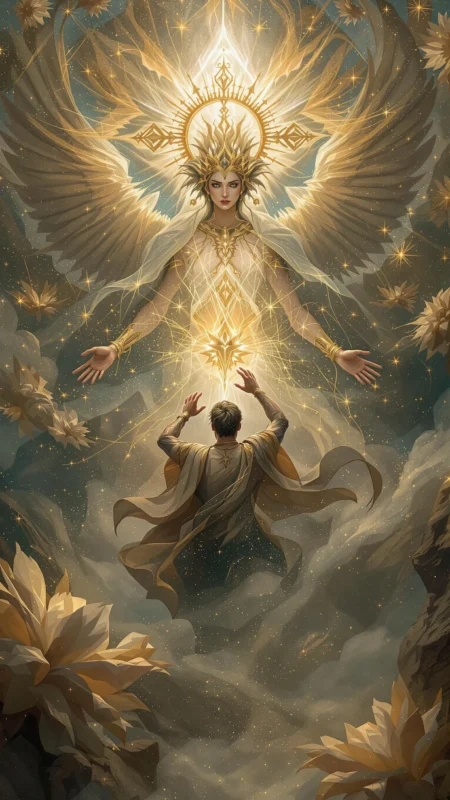
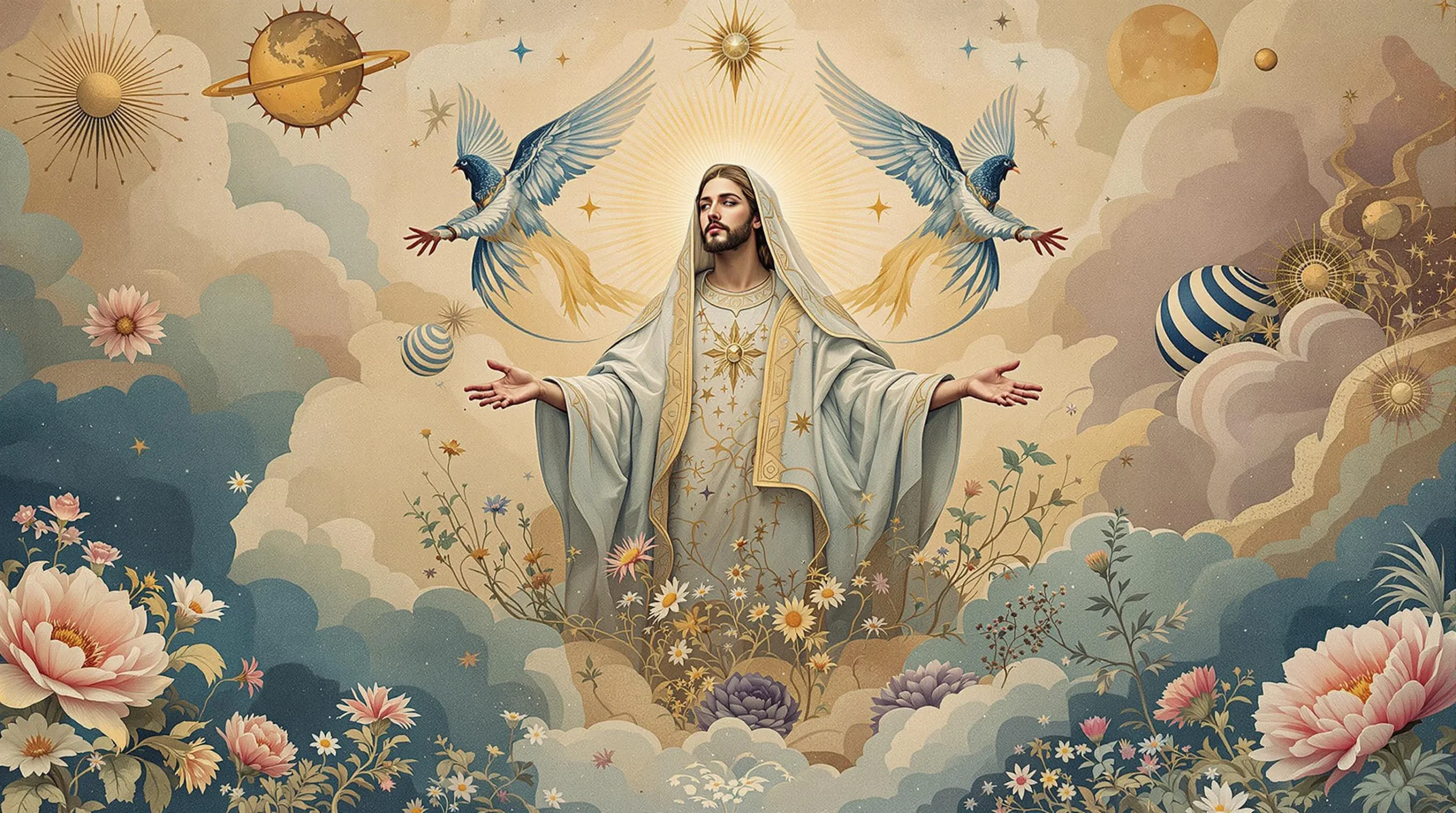
The Saint in your personal mythology is the cartographer of the soul's most difficult terrain. They are not symbols of an easy, blissful faith, but of a faith forged in the crucible of human experience: in suffering, doubt, and ecstatic communion. The Saint represents the human potential to become a conduit for the divine, to make one's very life a testament to an unseen order. They symbolize a radical commitment, a willingness to align one's existence with a principle so profound that comfort, safety, and even life itself become secondary. The Saint is the scar that becomes a star, the wound that becomes a wellspring.
In the modern psyche, this archetype might surface not as a desire for canonization but as an intense, unshakeable calling toward a specific purpose. It is the artist who sacrifices stability for their vision, the activist who risks freedom for justice, the caregiver who pours themselves out for another. Your personal saints may not be those in stained-glass windows: they could be an ancestor who endured unimaginable hardship with grace, a mentor who embodied selfless integrity, or even a part of yourself that has touched something holy in a moment of profound love or loss. They mark the places in your life story where the mundane has become translucent, allowing a numinous light to shine through.
To carry the Saint archetype is to live with a foot in two worlds: the messy, beautiful, painful world of human life, and a subtler world of spirit, meaning, and grace. It is to believe that your small, mortal life can have an immortal resonance. This archetype challenges the modern gospel of self-optimization, suggesting instead a path of self-emptying, or 'kenosis'. The goal is not to become more, but to become a more perfect vessel for something greater than the self. It is a demanding, often lonely path, marked by the tension between human frailty and divine aspiration.