 Believe
 Fear
Fear Strength
 Weakness
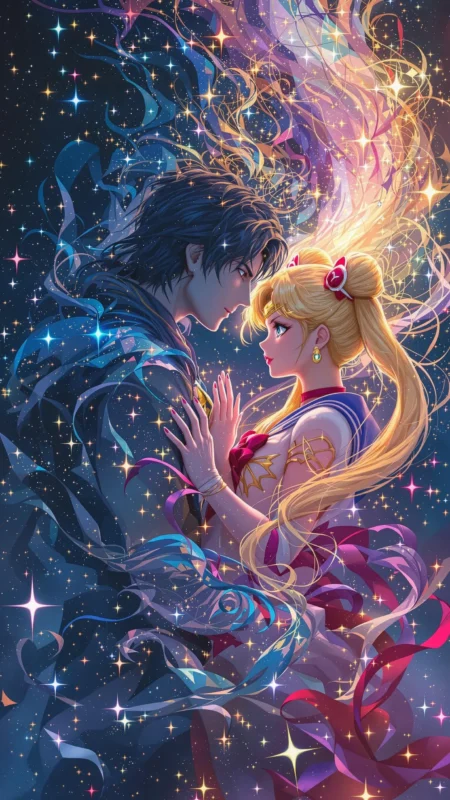
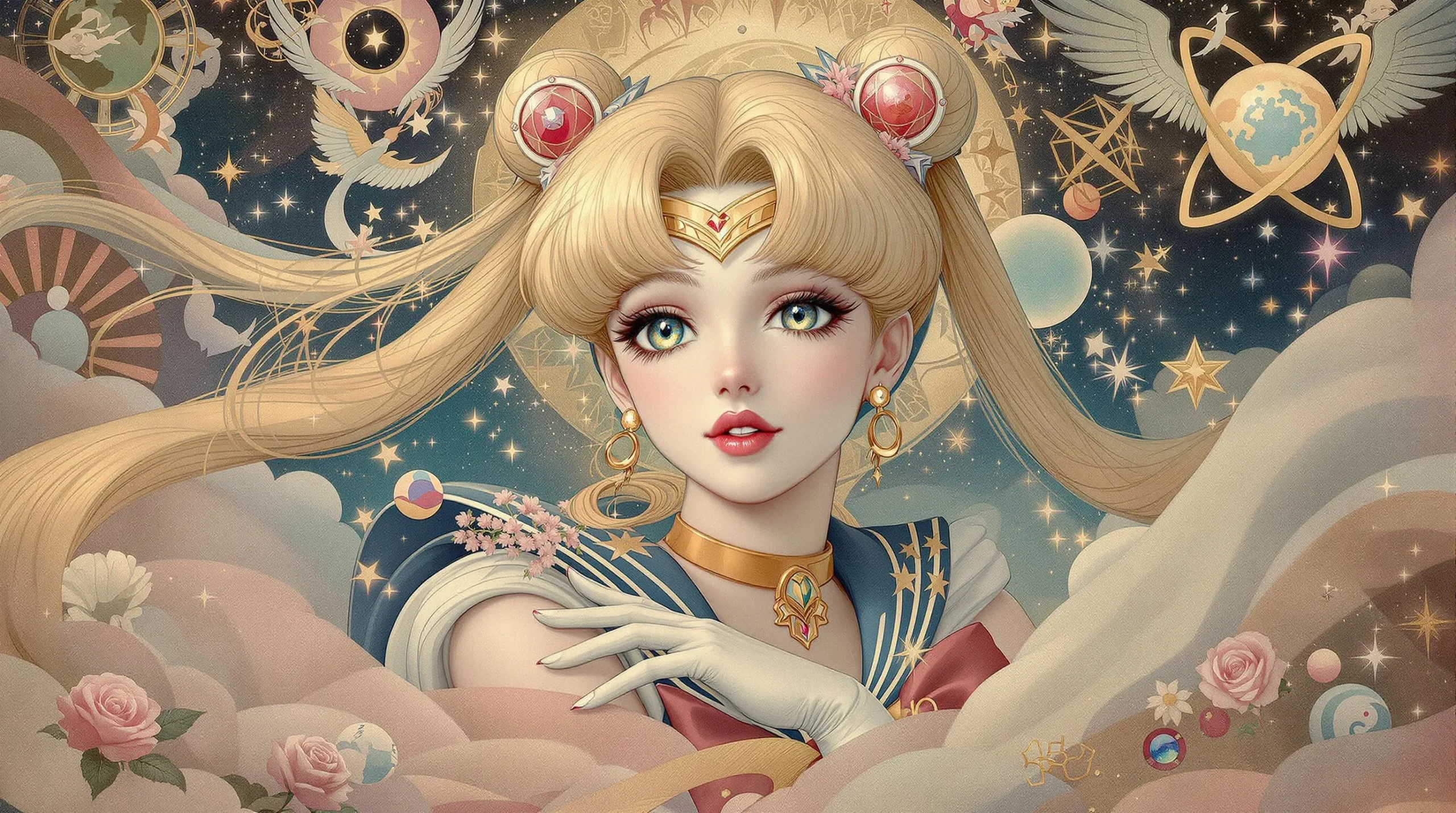
At its core, the Sailor Moon archetype is a meditation on the divinity of the ordinary girl. She represents a radical proposition: that immense, world-altering power is not the domain of the stoic or the perfect, but may lie dormant in the heart of the emotional, the clumsy, the unabashedly feminine. Her symbolism is not of a sword, but of a scepter: a tool less for destruction and more for healing, purification, and the channeling of celestial grace. She is the moon, a body that does not generate its own light but reflects a greater, cosmic source. In a personal mythos, this could suggest that one’s power is not a thing to be forged in fire, but a thing to be awakened, to be accepted, a birthright tied to a forgotten past or a destined future.
This archetype also reframes the nature of love as an active, potent force. It is not a passive emotion or a romantic subplot; it is the fundamental magic of the universe. Love is a shield, a weapon, a source of resurrection. For someone whose mythos is informed by Sailor Moon, love is tactical. It is the belief in someone’s goodness that can redeem them. It is the bond between friends that creates an unbreakable phalanx against despair. This symbolism suggests a universe that is not cold and indifferent, but one that may ultimately bend toward compassion, where the final victory is achieved not through overwhelming force, but through an appeal to the heart.
Furthermore, there is the powerful symbolism of transformation. The sequence is not just a costume change; it's a ritual of self-actualization. The cry of “Moon Prism Power, Make Up!” is a plea, a command, and a statement of becoming. It implies that the heroic self is not a different person, but a potentiality that must be consciously invoked. This ritual, repeated in the face of every new monster, suggests that courage is not a permanent state but a choice that must be made again and again. It is the choice to put on the uniform of your own destiny, even when you feel utterly unprepared to wear it.