 Believe
 Fear
Fear Strength
 Weakness
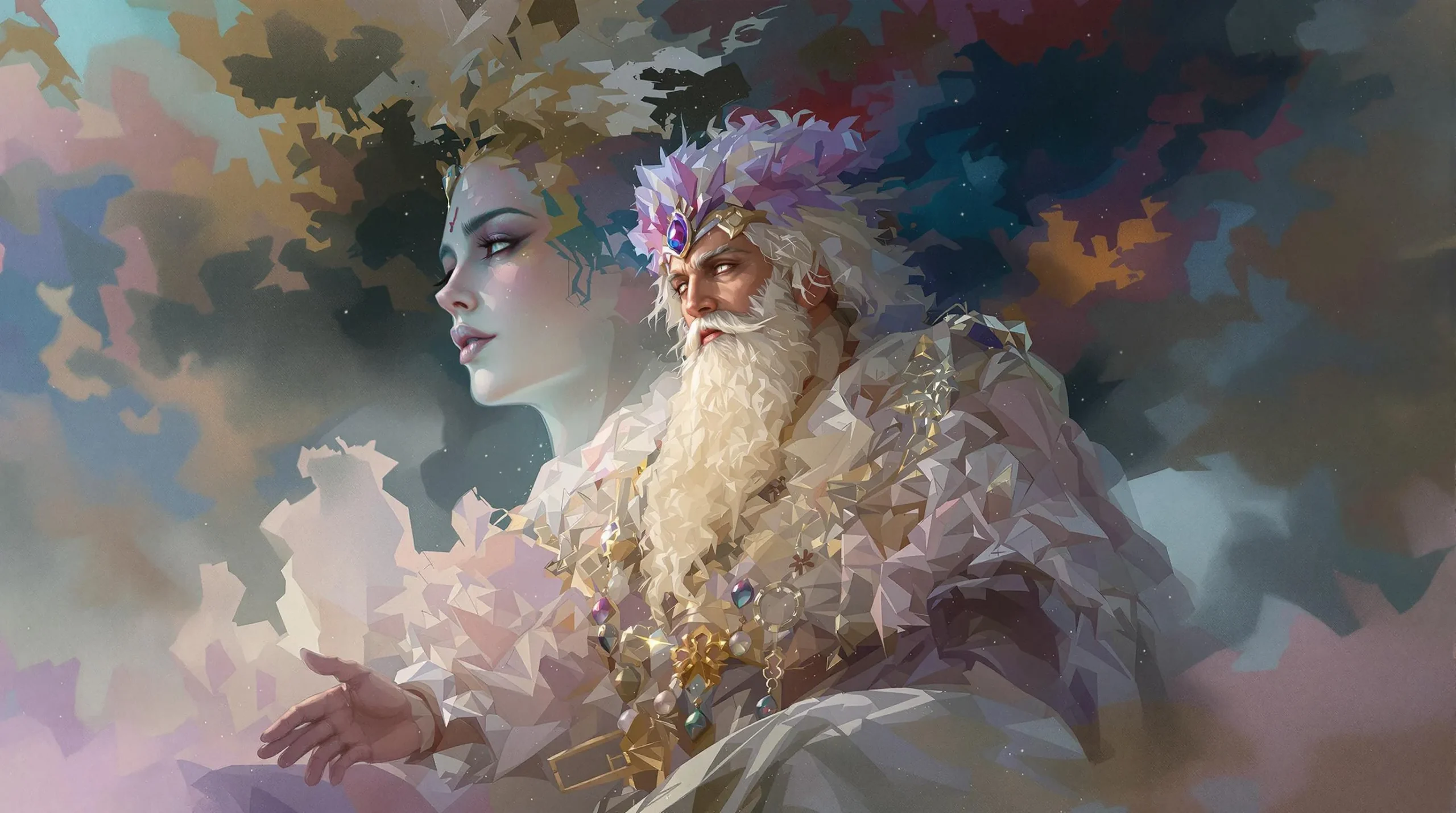
In the personal mythos, the Patriarch archetype may represent the force of civilization within the self. It is the part of you that builds fences, drafts blueprints, and establishes precedent. This is the internal architect who looks upon the wild landscape of your potential and seeks to give it structure: a foundation of belief, walls of discipline, a roof of security. Its presence suggests a narrative deeply concerned with history and future, where your life is not an isolated story but a chapter in a much longer saga. You might feel the gaze of your ancestors, a palpable weight of expectation, or a profound calling to create something that will outlast your own fleeting existence.
The symbolism of the Patriarch is also one of profound gravity. Things have weight in his world: promises are binding contracts, decisions have consequences that echo through generations, and tradition is not a dusty relic but the accumulated wisdom of survival. When this archetype shapes your myth, you might find yourself drawn to permanence, to stone and old wood over plastic and fleeting trends. You may measure your worth not by your happiness, but by your resilience, by your ability to withstand the storms of fortune and provide shelter for others. This can be a source of immense strength and purpose, a deep rooting in a chaotic world.
However, this archetype also carries the symbolism of the cage. The very structures that provide safety can become a prison. The laws designed to create order can stifle spontaneity and crush the spirit of rebellion that is necessary for growth. The Patriarch in your personal story might therefore be a figure you are destined to confront, to honor, or to escape. Your myth could be about upholding the traditions he represents, or it might be the tale of smashing the stone tablets and drafting a new covenant for yourself, one that allows for more light, more chaos, more freedom.