

Park

Archetype Meaning & Symbolism

communal, sanctuary, structured, recreational, public, manicured, transitional, accessible, orderly, playful

  • Find your wildness within the lines I draw for you: true freedom is knowing where the benches are.

If Park is part of your personal mythology, you may...

Believe

  • Play, rest, and beauty are not frivolous luxuries but essential public utilities for the human soul.

  • A healthy society is defined by the quality of its shared, common spaces.

  • True community is built not in private clubs, but in public squares where all paths can cross.

Fear

  • The overgrowth of chaos that comes from neglect and the breakdown of social contracts.

  • The privatization of everything, the loss of common ground to fences and 'No Trespassing' signs.

  • The unique loneliness of being surrounded by people in a public space, yet feeling completely unseen.

Strength

  • An ability to create welcoming, harmonious environments for yourself and others.

  • A profound appreciation for the simple, restorative pleasures of nature and community.

  • A natural talent for navigating social situations with grace and ease.

Weakness

  • A deep discomfort with true chaos, unpredictability, and the untamed aspects of life and people.

  • A tendency to keep relationships pleasant and public, avoiding messier, deeper forms of intimacy.

  • A potential reliance on external structures and social approval for your sense of safety and self-worth.

The Symbolism & Meaning of Park

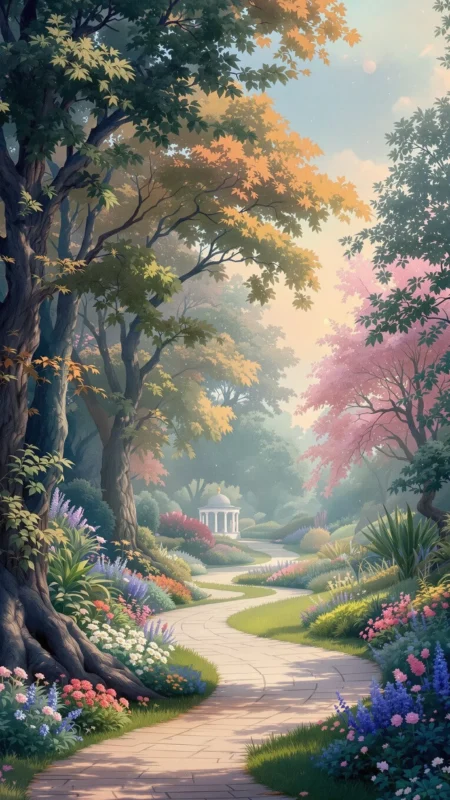
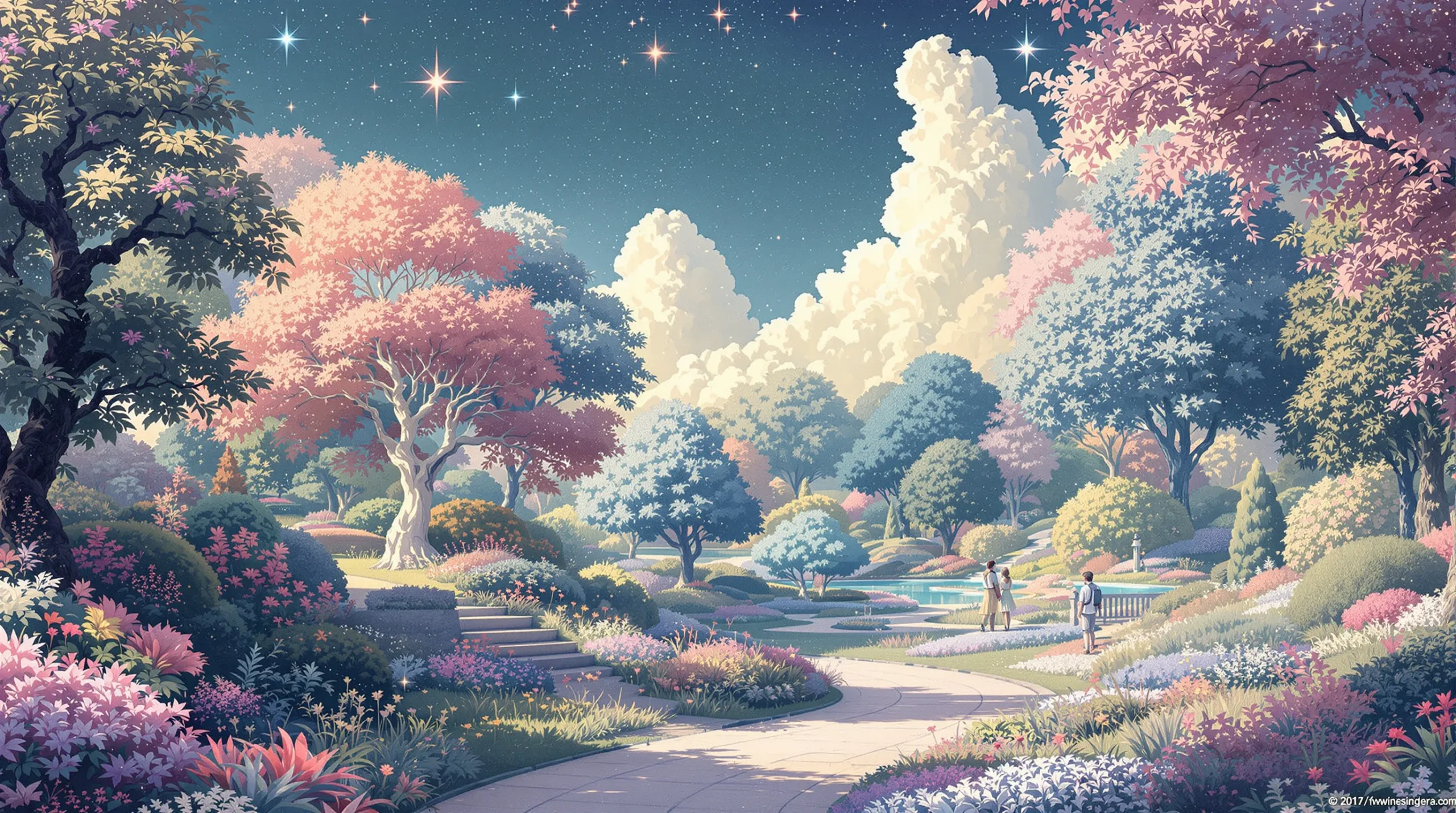
In personal mythology, the Park archetype symbolizes the curated soul. It is the part of you that is intentionally cultivated for public viewing, a landscape of the self that is both natural and meticulously planned. It is your capacity for sociability, your comfort in spaces governed by unspoken rules and shared understanding. This archetype suggests a personality that has tamed its own wilderness, not by eradicating it, but by giving it designated, acceptable forms: the tidy grove of trees represents managed emotions, the flowerbeds are cultivated talents, the paved paths are the acceptable routes for social engagement. It is the belief that nature, both inner and outer, is something to be tended to, made safe, and shared with others.

The Park is also a liminal space, a threshold between the concrete demands of the City and the untamable chaos of the Wilderness. To have this archetype in your mythos could mean you live in this nuanced territory. You may be the person who brings a touch of nature into the office, or the one who insists on order and planning during a camping trip. It speaks to a deep need for balance: for civilization that breathes, and for nature that is approachable. It’s the space where first dates happen, where children learn to run freely within sight of their guardians, where solitude can be found within a crowd. It represents the paradox of being alone, together.

This archetype could also represent the stage upon which the small dramas of your life unfold. The Park is never truly private. Its meaning is shaped by the transient population that uses it. Your personal story, through this lens, may not be a solitary epic but a series of public scenes. Your moments of crisis, reflection, and connection might have witnesses, even if they are anonymous strangers on a nearby bench. This could foster a sense of shared humanity, a belief that your personal struggles and joys are part of a larger, collective experience playing out on the common green of life.


Park Relationships With Other Archetypes

The City

The Park exists in a symbiotic, almost oppositional, relationship with the City archetype. It is the City's planned exhale, its conscience, its admission that concrete and commerce are not enough. If the City is the archetype of ambition, structure, and relentless forward motion, the Park is the archetype of pause, recreation, and cyclical time, marked by changing seasons rather than stock market tickers. For an individual whose mythos includes the Park, the City may represent the structured world of work and obligation, while the Park is the essential, protected space where the self is allowed to simply be, a necessary green lung in the dense grid of their responsibilities.

The Wilderness

The Park is the domesticated cousin of the Wilderness archetype. It offers a taste of nature without the attendant dangers or the profound, terrifying indifference of true wildness. The Wilderness is raw, unpredictable, and sovereign; the Park is mediated, designed, and fundamentally human-centric. Someone with a strong Park archetype may appreciate nature profoundly but prefer it with clear paths, accessible facilities, and a low probability of encountering apex predators. Their connection to the wild may be more aesthetic and restorative than immersive and transformative, seeing nature as a service to humanity rather than a force unto itself.

The Child

The Park is often the Child archetype's first kingdom outside the home. The playground, with its slides and swings, is a microcosm for learning about gravity, risk, and social dynamics. The open fields are for testing the limits of one's own speed and freedom. In a personal mythology, the Park could represent a connection to one's own inner Child: the need for unstructured play, the joy in simple physical movement, and the comfort of a world that feels both expansive and safely contained. It may be the place you mentally return to when you need to access a more innocent, spontaneous, and joyful part of yourself.

Using Park in Every Day Life

Navigating Social Boundaries

When you feel lost in the complex, unwritten rules of a new social group or workplace, you might invoke the Park archetype. It serves as a mental map. You can identify the 'playgrounds' for casual interaction, the 'benches' for quiet observation, and the 'walking paths' for directed, purposeful conversations. This allows you to engage with a community on your own terms, finding your place without feeling overwhelmed by the lack of a formal guide.

Cultivating Inner Space

In a life crowded with obligations, the Park can be a model for creating an internal sanctuary. You might consciously schedule time not just for rest, but for aimless mental wandering. This is your inner commons, a psychic space you protect from development and dedicate to non-productive, restorative thought. It is the practice of landscaping the mind: pulling the weeds of anxiety, planting seeds of curiosity, and simply sitting on a metaphorical bench to watch your thoughts pass by like strangers.

Balancing Intimacy and Community

When a relationship feels too insular or a friendship too demanding, the Park archetype offers a template for a different kind of connection. It suggests taking the relationship 'outdoors,' into a shared public context. Instead of intense one-on-one conversations, you could propose a shared activity, a walk, a game. This introduces the fresh air of community and shared experience, relieving the pressure of constant intimacy and allowing the bond to breathe within a larger world.

Park is Known For

The Bench

A place of quiet observation, temporary rest, and anonymous companionship. It is the throne of the people-watcher, the refuge of the lonely, and the stage for conversations both profound and mundane.

The Playground

A structured zone for chaos and creativity. It symbolizes the first forays into social negotiation, risk-assessment, and the pure, unadulterated joy of physical movement.

The Common Green

The open expanse that represents shared space and collective possibility. It is for picnics, for sunbathing, for impromptu games of frisbee: a democratic patch of earth where community can spontaneously arise.

How Park Might Affect Your Personal Mythology

How Park Might Affect Your Mythos

When the Park archetype is central to your personal mythos, your life story may be marked by a search for balance between the public and the private, the wild and the civilized. Pivotal chapters might not occur in dramatic, isolated settings, but in these communal spaces: a life-altering decision made on a specific bench, a romance that blossomed during walks around a pond, a period of grief processed through daily visits to a familiar green space. Your narrative might not be one of conquering the wilderness or the city, but of skillfully navigating the territory in between.

Your mythos could also be defined by a series of curated environments you create for yourself and others. You may be the protagonist who builds gardens, organizes community gatherings, or establishes family traditions that act as 'parks' in the timeline of your life: protected, recurring spaces for connection and restoration. Your legend is not one of a lone wolf, but of a benevolent park ranger, tending to the social and emotional landscapes you inhabit and ensuring there is a welcoming place for everyone.

How Park Might Affect Your Sense of Self

Your sense of self may be deeply intertwined with your role in a community. You might see yourself not as a discrete, isolated individual, but as a feature of a larger landscape, like a well-loved statue or a sturdy, reliable oak tree in a public square. This can lead to a stable and communal identity, one that derives its meaning from its relationship to others. Your self-perception might be fluid, changing with the 'seasons' of your social life: sometimes you are the center of a bustling picnic, other times the solitary figure on a misty morning path.

However, this archetype could also foster a self that is somewhat performative. If the self is a park, it is meant to be seen, to be pleasant, to be well-maintained for public consumption. This may lead to a difficulty in embracing your own inner wildness, the messy, overgrown, and less picturesque aspects of your personality. You might feel a constant, low-level pressure to be agreeable, to present a tidy appearance, and to keep your more chaotic emotions off the beautifully manicured lawns of your public persona.

How Park Might Affect Your Beliefs About The World

With the Park as a core archetype, you may view the world as a system that requires careful tending and a delicate balance between progress and preservation. You might believe that society functions best when it intentionally carves out and protects spaces for non-utilitarian purposes: for art, for nature, for play, for quiet contemplation. This is a worldview grounded in civic-mindedness and an appreciation for the 'commons,' those shared resources that enrich everyone's lives. You may be inherently optimistic about the human capacity for cooperation.

This perspective could also lead to a certain naivete or a frustration with the untamable aspects of existence. You might see conflict, chaos, and suffering as problems that could be solved with better 'urban planning': clearer rules, more thoughtful design, better maintenance. When faced with the raw wilderness of human cruelty or natural disaster, your worldview may be shaken, as it does not easily fit into the managed, predictable, and fundamentally safe framework of the Park.

How Park Might Affect Your Relationships

In relationships, you may thrive on what could be called 'bench intimacy.' This is a connection built on shared presence and observation, often more comfortable than intense, soul-baring confessionals. You might show love by creating pleasant experiences, by being a reliable and calming presence, and by enjoying parallel activities alongside your loved ones. Your ideal date might be a walk with no destination, your deepest conversations might happen while watching the world go by. You value a partnership that feels like a public good: stable, pleasant, and an asset to the community.

Conversely, this archetype could create a barrier to deeper, more private forms of intimacy. You may be hesitant to invite others into the un-landscaped, private wilderness of your inner world. Relationships might remain in the 'public' zone, pleasant and well-maintained on the surface but lacking the messy, vulnerable, and sometimes difficult work that happens behind closed doors. There might be a fear that if others saw the weeds, the overgrown patches, and the un-mown lawns of your soul, they would no longer find you to be a pleasant place to be.

How Park Might Affect Your Role in Life

Your perceived role in life might be that of the Steward or the Community-Builder. You may feel a deep-seated responsibility to maintain the social and emotional environments you are a part of. In your family, you might be the one who organizes picnics and holidays. In your friend group, you are the host. At work, you are the one who tends to morale and creates a positive atmosphere. Your purpose is not to lead the charge or forge a new path, but to cultivate and preserve the ground upon which others can thrive.

This can also cast you in the role of the perpetual Observer or the Facilitator, someone who is essential to the scene but not always the main character. You may feel most comfortable on the sidelines, watching the drama of life unfold, providing the beautiful backdrop for others' stories. While this is a vital role, there may be a yearning to step off the bench and onto the playing field, to be a participant rather than just the keeper of the space where participation happens.

Dream Interpretation of Park

To dream of a vibrant, sun-drenched park, full of laughing people and lush greenery, may symbolize a state of social and emotional well-being. It could suggest that you have found a harmonious balance between your personal needs and your public life. The dream might be an affirmation of your place within a community, a sign of successful integration and belonging. A well-maintained path could signify clarity on your life's direction, while a blossoming flowerbed might represent personal growth and the flowering of your talents in a way that is seen and appreciated by others.

In a more negative context, dreaming of a park that is desolate, overgrown, or dangerous speaks to anxieties about your social world. An empty, dilapidated playground could reflect a lost sense of childlike joy or fears about your own creativity being neglected. Being lost in a park at night might symbolize a feeling of being unsafe or alienated within your own community. It could point to a fear that the public spaces of your life, which should be safe and nurturing, have become threatening or that the social rules you rely on have broken down.

How Park Archetype Might Affect Your Needs

How Park Might Affect Your Physiological Needs

The Park archetype may ground your physiological needs in the concept of accessible nature. Your body may not crave the profound exertion of a mountain climb, but the simple, restorative rhythm of a walk on a paved path. Your very cells might seem to cry out for sunlight that is filtered through leaves, for air that is cleaner than the city street. This archetype embeds a belief in your mythos that well-being is tied to regular, gentle exposure to the outdoors, that your body’s basic requirements include not just food and water, but also open space and a green horizon.

This connection means you might be particularly sensitive to environments that lack this balance. Long periods spent in purely artificial, enclosed spaces could feel physically draining or even oppressive. Your mythos dictates that your body is a kind of ecosystem that requires its patch of green to function properly. A failure to meet this need might manifest as lethargy, restlessness, or a tangible sense of being disconnected from your own physical self, a body that has been 'paved over' by the demands of modern life.

How Park Might Affect Your Ideas of Belonging

Belonging, for you, may be a matter of shared space rather than exclusive membership. You might find love and connection not in intense, secretive cliques, but in the casual, come-as-you-are atmosphere of a public gathering. The Park archetype fosters a sense of belonging that is broad and democratic: you belong simply by showing up and respecting the space. Your relationships may begin with casual encounters, a shared smile with a stranger on a bench or a conversation struck up while walking dogs.

This can mean that you are able to create a sense of family and connection wherever you go, weaving a network of loose, friendly ties that form a strong social fabric. The downside, perhaps, is a potential discomfort with the demands of deep, unconditional belonging. The unconditional love of a tight-knit family or an insular group can feel confining, a space without the easy escape routes and anonymous corners that a park provides. You may feel you belong to the community, but question if you truly belong to anyone in particular.

How Park Might Affect Your Feelings of Safety

Your need for safety may be fulfilled by the principle of 'safety in numbers' and well-defined boundaries. The Park feels safe not because it is a fortress, but because it is public, illuminated, and governed by shared social contracts. In your life, you might build safety by creating transparency, fostering community watchfulness, and establishing clear, predictable routines. You feel most secure when things are out in the open, when the rules are understood by all, and when there is a sense of collective responsibility for the well-being of the space.

This reliance on public order for safety can become a vulnerability. Your security may feel threatened by anonymity turning into menace, by the breakdown of social courtesies, or by the presence of unpredictable elements. You may have a deep-seated fear of what happens when the lights go out, when the rules are no longer respected, and the very space designed for collective safety becomes a landscape of unseen threats. True isolation, away from the watchful eyes of the collective, might feel more dangerous to you than the potential conflicts within a group.

How Park Might Affect Your Views of Esteem

Your self-esteem could be closely linked to your civic self, your identity as a 'good citizen.' You may feel a sense of worth and pride when you contribute to the beauty, safety, and harmony of your environment. Like a well-tended park that brings joy to many, your esteem might rise when you see yourself as a source of pleasure and restoration for others. Your value is not rooted in competitive success or unique genius, but in your reliability, your pleasantness, and your role in the communal ecosystem.

This can lead to a stable and resilient sense of self-worth, but it can also make you highly sensitive to public opinion and social harmony. Your esteem might plummet if you feel you have caused a disruption, been perceived as unpleasant, or failed in your role as a community steward. There may be a danger of becoming a 'people-pleaser,' manicuring your personality to be what you think others want to see, and losing touch with your own intrinsic value separate from your utility to the collective.

Shadow of Park

The shadow of the Park archetype emerges as a sterile and oppressive artifice. It is the obsessive need to control, manicure, and sanitize every aspect of life, rooting out any hint of wildness or spontaneity. This shadow manifests as a personality that is relentlessly pleasant but utterly devoid of authenticity, a perfectly landscaped lawn of social niceties with no room for messy emotions or inconvenient truths. It is the tyranny of the homeowner's association extended to the human soul, where any blade of grass out of place causes immense anxiety. Relationships in this shadow become performative, and life becomes a series of photo opportunities rather than lived experiences.

The other face of the shadow is the neglected, derelict park. This represents a promise of community and safety that has been broken. When this archetype's energy is absent or corrupted, the result is a landscape of cynicism and decay. It manifests as social apathy, the breakdown of community bonds, and the creation of environments that were once meant for joy but now breed fear and isolation. In a personal mythos, this shadow could represent a deep disillusionment with society, a retreat from a public life that feels dangerous and untrustworthy, or a part of the self that has been neglected and allowed to fall into a state of disrepair.

Pros & Cons of Park in Your Mythology

Pros

  • You naturally foster a sense of community and bring people together.

  • You understand the vital importance of balancing work with play and rest.

  • You find peace and beauty in everyday surroundings and shared human experiences.

Cons

  • You may be averse to taking risks or venturing into truly unknown territory, preferring the safety of a well-trod path.

  • Your focus on public harmony might lead you to suppress your own authentic needs and 'negative' emotions.

  • You may struggle to build deep, private intimacy, keeping relationships in the comfortable but shallow end of the pool.