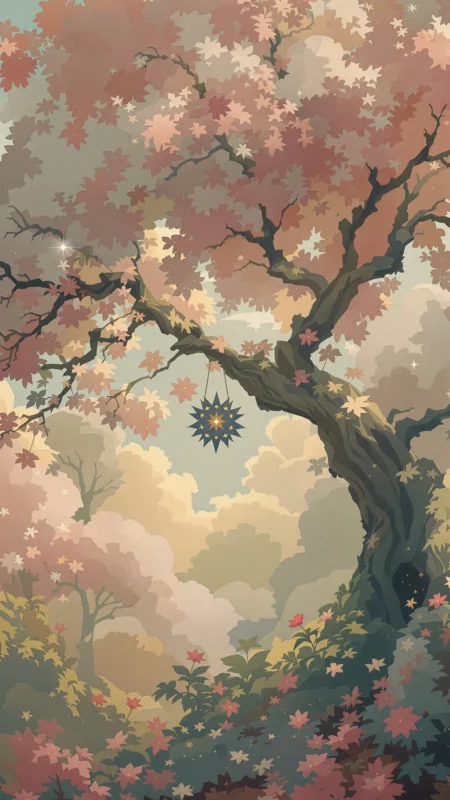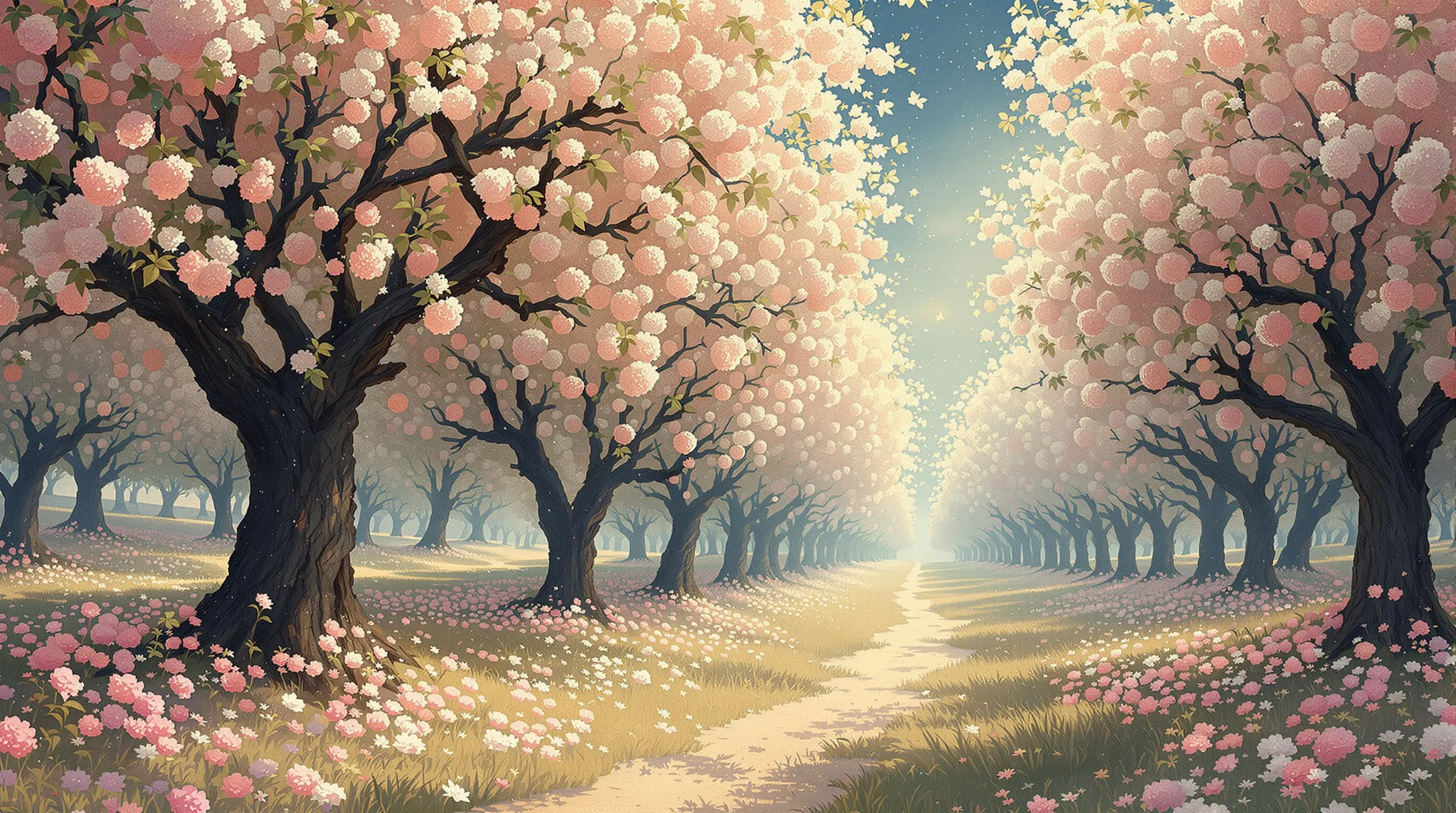


Orchard

Archetype Meaning & Symbolism

Cultivated, Abundant, Patient, Seasonal, Ordered, Vulnerable, Generative, Communal, Sweet, Rooted

  • Do not rush the blossom. The roots know their work, the sun its schedule. Your task is only to tend the soil and wait for the sweetness that is already promised.

If Orchard is part of your personal mythology, you may...

Believe

  • You may believe that true progress is slow, cyclical, and requires deep, often unseen, preparatory work.

  • You may believe that the greatest legacy one can leave is a self-sustaining system of nourishment for others, be it a family, a business, or a body of knowledge.

  • You may believe that patience is not a passive waiting, but an active, watchful, and essential part of any creative or generative process.

Fear

  • You may fear a sudden, catastrophic event, like a late frost or a fire, that can undo years of careful labor in an instant.

  • You may fear barrenness: the terror that after all the effort and waiting, the blossoms will simply fail to appear or the fruit will not set.

  • You may fear that you have planted the wrong things in the wrong soil, a deep anxiety that your core life investments are fundamentally misplaced and destined for failure.

Strength

  • You may possess an extraordinary capacity for long-term vision and the patience to see it through.

  • You may have a gift for creating structure and systems that foster growth and abundance for yourself and others.

  • You may be deeply resilient, understanding that bad seasons are inevitable and that the key is to tend the roots for the eventual return of spring.

Weakness

  • You may be slow to adapt to sudden changes, overly invested in established plans and resistant to necessary improvisation.

  • You may be prone to a kind of 'gardener's heartbreak,' an overwhelming sense of loss or failure when a long-term project is hit by forces beyond your control.

  • You may have a tendency to over-plan and control, potentially stifling the spontaneity and wild creativity that is also necessary for life.

The Symbolism & Meaning of Orchard

The Orchard is a landscape of the soul where wildness and intention meet. It may represent a part of your personal mythology dedicated to long-term cultivation: of family, of career, of a particular skill, or of a spiritual path. It is not about a quick harvest or a lucky discovery; it is about the profound satisfaction that comes from patient, repetitive, and knowledgeable labor. The Orchard suggests that the most valuable things in life are grown, not found. It speaks to a belief in legacy, in planting trees for future generations, and in creating a structured space where abundance can predictably emerge. It is the tangible result of a covenant between humanity and nature, a promise that if we tend, prune, and protect, life will offer its sweetness in return.

Within this space, each tree is an individual, yet it contributes to and is protected by the collective. The Orchard could therefore symbolize a model for community: a place where individual flourishing and communal well-being are inextricably linked. The health of one tree affects the health of all. This archetype might inform a personal mythos that values interdependence over rugged individualism. It suggests a life story built not on a singular heroic journey, but on the creation of a sustainable, nourishing ecosystem for oneself and others. The very air in an orchard is different, thick with the scent of blossoms or ripe fruit, a sensory reminder of life's potential for sweetness and generative power.

Ultimately, the Orchard stands as a powerful symbol for consciousness itself. The wild, untamed forest of the subconscious is selectively cleared, and certain potentials are chosen for deliberate cultivation. We prune away limiting beliefs (dead branches), protect our nascent ideas from pests (cynicism and fear), and wait through long seasons of unseen growth. To have the Orchard in your mythos is to see your own mind and life as a plot of land you are responsible for tending. It is an affirmation of your power to shape your own reality, not by force, but through the patient, loving, and persistent art of cultivation.


Orchard Relationships With Other Archetypes

The Beekeeper:

The Orchard's relationship with the Beekeeper is one of profound symbiosis. The Orchard provides the nectar, the very substance of potential, while the Beekeeper's colony provides the essential act of cross-pollination that turns blossom into fruit. In a personal mythos, the Beekeeper may represent the crucial collaborator, the muse, or the community that is necessary to bring one's plans to fruition. It speaks to the truth that even the most well-tended plans need an external catalyst, a bit of magic carried on the legs of others, to become truly generative. The Orchard that lacks a Beekeeper may blossom beautifully but remain forever barren.

The Wildwood:

The Orchard may look upon the Wildwood as its chaotic, untamed ancestor. The Wildwood is pure potential, teeming with life but also with danger, competition, and unpredictability. The Orchard is what emerges when the wild energy of the forest is consciously channeled, pruned, and given structure. A person with a strong Orchard archetype might feel a deep ambivalence toward the Wildwood within themselves: the untamed passions, the chaotic creativity, the parts that defy planning. It represents both the raw material from which their ordered world is built and the ever-present threat of that order being reclaimed by chaos.

The Blight:

The Blight is the Orchard's shadow-self, an insidious and often invisible force of decay. It may not arrive with the dramatic force of a storm, but rather as a subtle sickness that spreads from tree to tree, representing a creeping corruption, a loss of purpose, or a systemic poison in a family or organization. The relationship is one of constant vigilance. The Orchard's health depends on the steward's ability to spot and ruthlessly prune the first signs of Blight. In a life narrative, this could symbolize the struggle against chronic depression, toxic relationships, or the slow erosion of one's core values.

Using Orchard in Every Day Life

Navigating Career Trajectories:

Instead of viewing a career as a frantic climb up a corporate ladder, one might perceive it as the cultivation of a personal orchard. Each new skill is a sapling planted, each project a season of growth. This perspective encourages patience, diversification of talents (different varietals), and the understanding that the most significant rewards, the true harvest, may take years to mature. Success is not a single promotion but the sustainable ecosystem of expertise you build over a lifetime.

Cultivating Family and Legacy:

One might approach family life not as a series of events, but as the tending of a multi-generational orchard. Children are young trees needing specific care to grow strong. Traditions are the trellises that provide support. The goal becomes less about immediate happiness and more about fostering deep roots and a legacy of love and wisdom that will provide sustenance for descendants you may never meet. This reframes conflicts as blights to be managed and milestones as seasonal markers in a long, unfolding story.

Approaching Long-Term Creative Work:

A novelist writing a book or an entrepreneur building a company could use the Orchard archetype as a guiding metaphor. The initial idea is the seed. The research and outlining are the preparing of the soil. The slow, methodical work of writing or building is the tending: the watering, the pruning of bad ideas, the protection from pests like self-doubt. It frames the fallow periods not as failure, but as a necessary winter for the roots to deepen before the next season of blossoming creativity.

Orchard is Known For

Cyclical Abundance

The Orchard is known for its predictable yet miraculous rhythm of production. It embodies the cycle of blossom, fruit, harvest, and dormancy, teaching that periods of apparent inactivity are essential for future generativity. This symbolizes the trust in process and the rewards of aligning with natural cycles.

Structured Nature

Unlike a wild forest, an orchard is nature ordered by a conscious hand. The neat rows, the pruned branches, the carefully chosen varietals: all speak to the power of intention, planning, and disciplined cultivation. It represents a harmony between human foresight and the wild energy of life.

Vulnerability to the Elements

For all its order, the Orchard is exquisitely vulnerable. A late frost can kill the blossoms, a drought can wither the fruit, and a new blight can sweep through the rows with devastating speed. This symbolizes the inherent fragility of even the best-laid plans and the necessity of resilience, adaptation, and a certain surrender to forces beyond our control.

How Orchard Might Affect Your Personal Mythology

How Orchard Might Affect Your Mythos

When the Orchard is a central landscape in your personal mythos, your life story may unfold not as a series of dramatic battles, but as a succession of seasons. The key narrative beats are not conquests, but plantings, tendings, blights, and harvests. Your personal epic is one of patient cultivation, where the central conflict is the long, quiet struggle to create and sustain a place of nourishment in a world of entropy and chaos. You may see your past not as a list of achievements and failures, but as fallow fields, budding groves, and mature orchards that continue to feed you and others. Your legacy is not a monument, but a living, fruit-bearing system you leave behind.

This archetype shapes a narrative that prizes process over outcome. The hero of this story is not the one who finds the treasure, but the one who learns the deep magic of the soil, the sun, and the seed. The story's wisdom is found in the rhythm of the work: the ache in the back from pruning, the worry of a late frost, the quiet joy of the first ripe apple. Your mythos may be populated by mentors who taught you how to tend your garden and antagonists who represent pests, droughts, or the temptation to pave over the living soil for something quicker and more sterile. It is a story about deep roots and slow, sweet fruit.

How Orchard Might Affect Your Sense of Self

Your sense of self may be deeply intertwined with your role as a cultivator. You might identify as a steward, a planner, a nurturer: someone whose identity is forged in the act of fostering long-term growth. Self-worth is perhaps not measured by fleeting moments of glory, but by the health and abundance of the 'orchards' you tend, whether they be your family, your life's work, your community, or your own inner landscape. There could be a deep sense of being rooted, a quiet confidence that comes from knowing you have built something sustainable and nourishing.

This may also lead to a self-concept that is seasonal. You might grant yourself permission to have winters: periods of rest, introversion, and unseen underground growth. You may understand that you cannot be perpetually harvesting. This acceptance of personal cycles can foster a gentle, resilient sense of self, one that is less prone to burnout. You may see your flaws not as permanent defects, but as branches that need pruning or soil that needs amending, fostering a compassionate, gardener's approach to personal development.

How Orchard Might Affect Your Beliefs About The World

The world, seen through the lens of the Orchard, is not a battlefield to be conquered or a marketplace for transaction, but a vast garden of potential. You may believe that nearly any problem, from social injustice to personal unhappiness, can be addressed through patient, long-term cultivation rather than aggressive, short-term intervention. This worldview fosters a deep respect for process, systems thinking, and the intricate web of causes and effects. It is a perspective grounded in pragmatic optimism: the world is full of pests and droughts, but with careful tending, abundance is the natural state of things.

This perspective might also attune you to the rhythms of time in a different way. You may be less swayed by the frantic urgency of the 24-hour news cycle and more interested in generational shifts, cultural maturation, and the slow, deep changes that truly shape history. Your worldview could be defined by a 'cathedral consciousness': the willingness to begin work that you know you will not live to see completed. It is a belief that the most meaningful actions are those that plant seeds for a future you are helping to create but may never personally inhabit.

How Orchard Might Affect Your Relationships

Relationships, for you, may not be things you have, but things you grow. A friendship is a sapling that requires years of consistent care. A romantic partnership is a mature tree that needs seasonal pruning and protection from the blights of resentment or neglect. You might approach conflict with the mindset of a gardener: identifying the pest, treating the soil, and patiently nursing the relationship back to health. This view fosters loyalty and a deep appreciation for shared history, for the relationships that have weathered many seasons alongside you.

This archetype could also shape how you see your community. You may gravitate towards creating or joining groups that function like a healthy orchard, where each individual is supported and contributes to the overall flourishing of the whole. You might feel a responsibility not just for your one-on-one connections, but for the health of the entire social ecosystem. There could be a tendency to 'tend' to your people, offering support, nourishment, and a stable presence. The danger, perhaps, is in trying to over-manage or control the people you love, pruning them to fit your idea of what they should be.

How Orchard Might Affect Your Role in Life

You may naturally assume the role of the Steward or the Legacy-Builder. Your purpose feels less about personal aggrandizement and more about creating and maintaining systems that nourish others. In a family, you might be the keeper of traditions and the planner of the future. At work, you could be the one who develops long-term strategy, mentors junior colleagues, and builds a sustainable company culture. Your role is defined by foresight, patience, and a commitment to generative outcomes.

This archetype could also cast you as the Planner or the Provisioner. You are the one who thinks about winter in the middle of summer, ensuring there are enough resources set aside. You find satisfaction in building structures, whether they are financial plans, community gardens, or educational curricula, that allow others to thrive. Your quiet, consistent labor often forms the bedrock upon which more spontaneous or heroic archetypes can perform their roles. You are the one who makes sure there is a harvest to come home to.

Dream Interpretation of Orchard

To dream of a vibrant, blossoming, or fruit-laden orchard could be a profound affirmation from your subconscious. It may suggest that your long-term efforts are about to bear fruit, that you are in a period of immense creative or personal fertility. This dream can signal a deep sense of security, abundance, and rightness with your life's path. It might be an encouragement to trust the process, as the dream affirms that the unseen work you have been doing in the 'soil' of your life is now manifesting in tangible, beautiful ways. It is a dream of fulfillment and deserved reward.

Conversely, dreaming of a blighted, barren, or frozen orchard can be a potent warning. It may reflect deep anxieties about your future, a fear that your life's work will come to nothing, or a sense of inner deadness. Such a dream could point to a part of your life, a key relationship or a major project, that you have been neglecting and is now at risk of 'dying on the vine'. It might also symbolize a creative block or a loss of hope. The specific ailment of the orchard in the dream, whether it's pests, rot, or ice, could offer clues as to the nature of the threat you perceive in your waking life.

How Orchard Archetype Might Affect Your Needs

How Orchard Might Affect Your Physiological Needs

The Orchard archetype may ground your physiological needs in the concept of sustainable nourishment. There could be a strong inclination towards rhythms of eating that align with the seasons, a preference for whole foods grown from the earth, and a deep, instinctual understanding that the quality of the 'soil' determines the health of the plant. This translates to a focus on gut health, nutrition, and creating a food environment that is stable, predictable, and life-giving. The need is not just for calories, but for vitality sourced from a well-tended place.

Furthermore, this archetype might influence your need for rest and rhythm in a physical sense. Just as the orchard has its fallow season, you may feel a deep physiological need for periods of profound rest and recovery to ensure future productivity. There could be an aversion to a lifestyle of constant sprinting and burnout. The body is not a machine to be optimized, but a living system to be cultivated. Sleep, downtime, and gentle movement are not luxuries; they are as essential as water and sun for long-term health and fruitfulness.

How Orchard Might Affect Your Ideas of Belonging

The need for belongingness is fulfilled by finding one's place in a structured, interdependent community. Like a tree in a row, you may feel you belong when you have a defined place and purpose within a larger whole. Love and friendship are perhaps less about passionate, chaotic encounters and more about the quiet, sturdy companionship of growing alongside others, season after season. Belonging is the shared experience of being rooted in the same soil, drawing from the same water, and facing the same sun and storms together.

Love, in this context, is an act of mutual cultivation. A partner is someone with whom you tend the orchard of your shared life. Intimacy is built through the steady, reliable acts of care: the pruning of misunderstandings, the watering of shared dreams, the celebration of each harvest. There may be a deep pull towards creating a family or a chosen family that functions as this orchard, providing a sense of lineage, continuity, and a place where everyone contributes to and benefits from the collective flourishing.

How Orchard Might Affect Your Feelings of Safety

Safety, through the lens of the Orchard, is not a fortress wall but a well-maintained fence and a set of healthy practices. It is about creating a stable, predictable environment where growth can happen without constant threat. This may translate into a focus on long-term financial planning: building a nest egg is like storing the harvest for winter. It could also manifest as a need for strong personal boundaries, the 'fences' that keep out pests and casual browsers. Safety is an active, ongoing process of tending, not a static state of being invulnerable.

This need for safety may also be systemic. An individual with this archetype could feel secure only when their entire ecosystem is healthy. This means not just personal safety, but the stability of their community, the reliability of their institutions, and the health of their environment. A threat to one part of the system is a threat to the whole. Security is found in deep roots, a diversity of resources (different crops), and the resilience that comes from having weathered storms before. It is a living, breathing safety, dependent on vigilance and care.

How Orchard Might Affect Your Views of Esteem

Esteem needs are met through the tangible evidence of patient work and generative contribution. Your self-worth may be deeply connected to the act of producing something of lasting value, something that nourishes others. Praise and status might feel hollow compared to the quiet satisfaction of a successful harvest, a completed long-term project, or a mentored student who thrives. Respect is earned not through dominance or charisma, but through reliability, wisdom, and the quiet authority of someone who knows how to make things grow.

There is also an element of self-esteem derived from mastery of a craft. The Orchard tender knows the soil, the weather, the pests, and the unique needs of each tree. This deep, embodied knowledge, gained over years of practice, is a source of profound confidence. Esteem comes from being competent, from being the person others can rely on for sustenance and foresight. It is the pride of the artisan, whose value is in the quality of their work and the health of what they leave behind.

Shadow of Orchard

The shadow of the Orchard manifests as a tyrannical need for order and control. In this state, the garden becomes a sterile plantation, where every branch is ruthlessly pruned for maximum yield, with no room for wildness, beauty, or spontaneity. This can translate into relationships where individuals are managed rather than loved, or a career path that is productive but utterly soul-crushing. The shadow Orchard fears contamination and chaos, leading to rigid boundaries, an intolerance for imperfection, and a life that, while outwardly successful, feels unnatural and devoid of joy. It is the perfect, manicured lawn that allows no dandelions, no unruly life.

Another shadow aspect emerges from neglect or despair. Here, the Orchard becomes a place of ruin. The fences fall, the weeds choke the saplings, and the fruit rots on the branch. This represents a surrender to entropy, a deep-seated belief that cultivation is futile. It is the mythos of someone who has suffered one too many blights and has abandoned their post as steward. This shadow leads to wasted potential, broken promises, and a life that becomes overgrown with the thorny weeds of cynicism and apathy. It is the tragedy of a harvest that was planted but never gathered.

Pros & Cons of Orchard in Your Mythology

Pros

  • You likely build things of lasting value and stability in your life and the lives of others.

  • You possess a deep well of patience and resilience that allows you to weather challenges that would defeat more impulsive temperaments.

  • You often create environments of abundance and nourishment, making you a source of security and sustenance for your community.

Cons

  • Your methodical pace may cause you to miss fleeting, spontaneous opportunities.

  • You can be devastated by the failure of long-term projects, as so much of your identity and effort is invested in them.

  • Your focus on planning and control can sometimes make you seem rigid, inflexible, or resistant to change.