 Believe
 Fear
Fear Strength
 Weakness
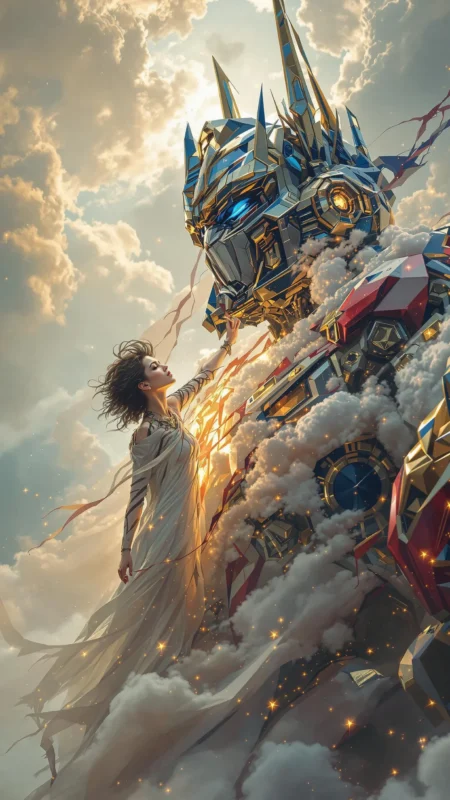
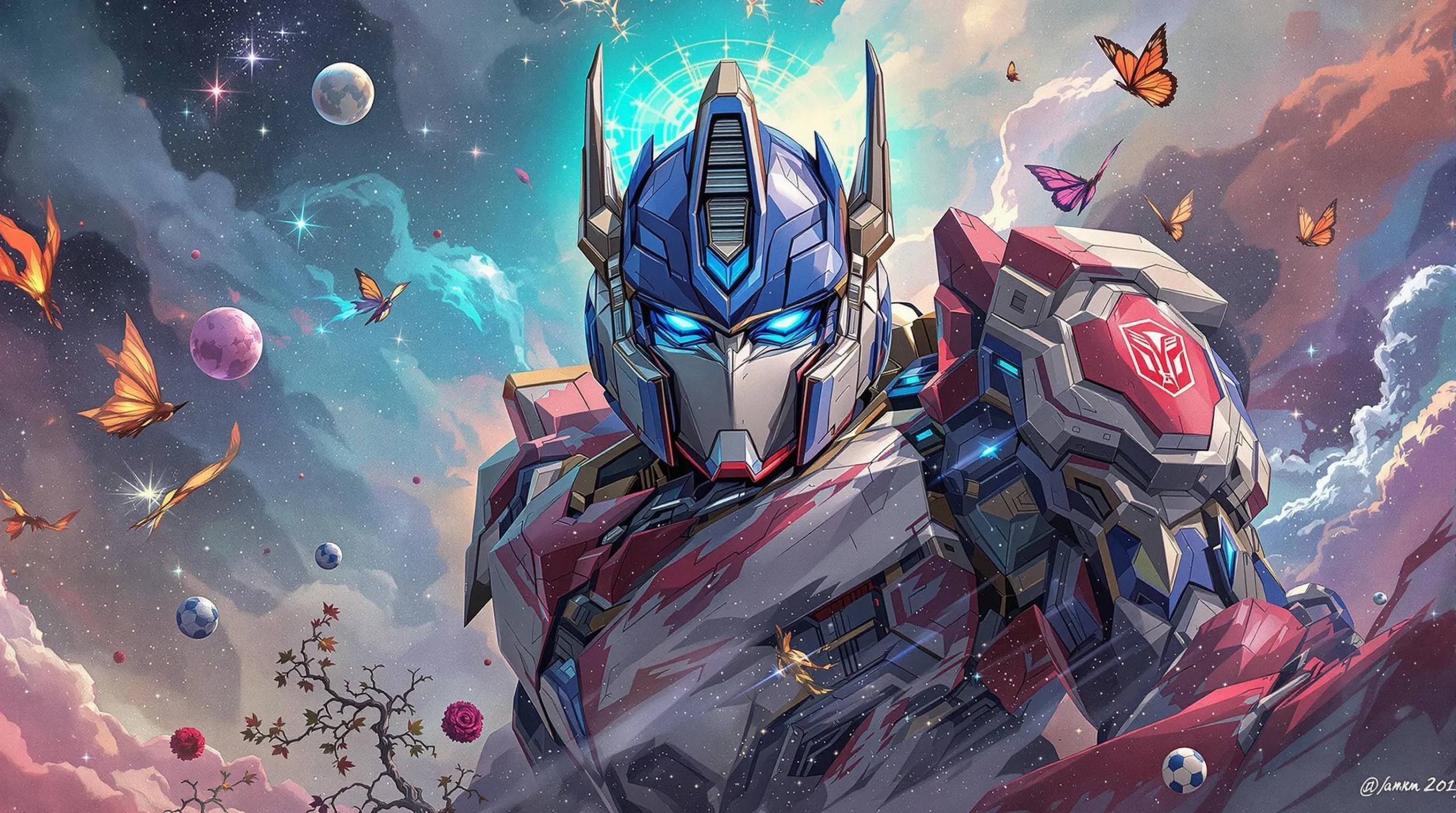
At its core, the Optimus Prime archetype is a meditation on the crushing weight of righteous power. It is the myth of the good king transplanted into an age of interstellar mechanics and endless war. To have Prime in your personal pantheon is to grapple with the notion that great strength does not grant privilege, but instead confers an almost unbearable responsibility. He is a figure of cosmic paternalism, the stoic father who carries the sorrows of a dead world, Cybertron, in his memory banks and fights to prevent the same fate from befalling his adopted home. His very form, a fusion of humanoid grace and industrial might, symbolizes the challenge of retaining humanity, or compassion, amidst the machinery of conflict.
This archetype is also a symbol of reluctant leadership. Optimus Prime did not seek the Matrix of Leadership; it was a destiny thrust upon him by the failures of the past. This perhaps speaks to a personal myth where one feels called to a role they did not choose, be it in a family, a career, or a community. It is the story of the person who steps up because no one else will, or because they are the only one who can. This creates a specific flavor of heroism: not one of lust for glory, but one of quiet, weary resolve. His battle is not for conquest, but for the preservation of a fragile peace, making him a knight whose chivalric code is programmed into his very core.
The symbolism extends to the nature of identity. He is a being who transforms, who wears a disguise of the mundane: a simple truck. This could resonate with a feeling of having a secret, more profound identity beneath a conventional exterior. It is the myth of the extraordinary hidden within the ordinary, the quiet neighbor who is, in their own sphere, a titan. His constant refrain, 'Til all are one,' is not a call for homogeneity, but for a universe united in the cause of freedom, a profound piece of personal political philosophy that can shape one's entire approach to community and conflict.