 Believe
 Fear
Fear Strength
 Weakness
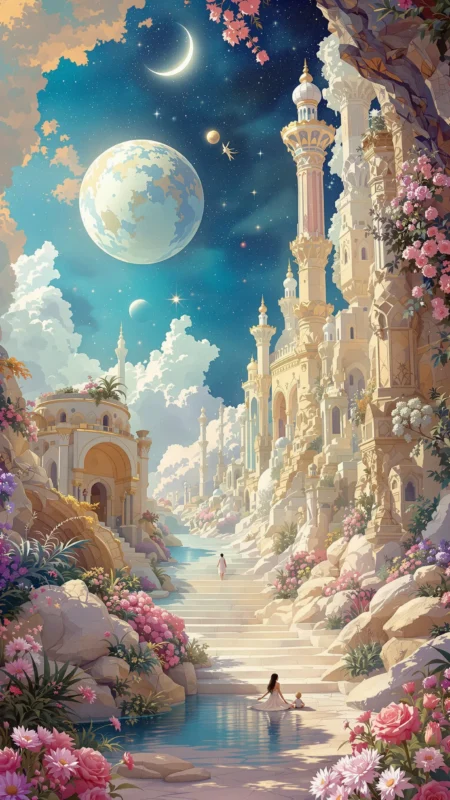
In personal mythology, the Oasis is rarely a physical place on a map. It is, perhaps, an internal landscape, a carefully cultivated state of being that offers refuge from the digital desert of constant stimulus and performative engagement. It represents the psychic space where the soul can undress, free from the harsh glare of external expectation. To have the Oasis in your mythos is to understand that your capacity for peace is a resource to be discovered, tended, and defended, not a luxury to be earned. It is the quiet room inside the bustling city of the self, the poem you remember in a moment of panic, the specific memory of a loved one's laugh that can, for a moment, make everything alright.
The symbolism of the Oasis is also one of profound contrast and preciousness. Its value is defined by the barrenness that surrounds it. This suggests that moments of peace, connection, and restoration are not the norm, but miraculous exceptions that give the entire journey meaning. Your myth may not be about creating a life of perpetual ease, but about the sacred ability to recognize and cherish the Oases when they appear. This archetype teaches a form of spiritual economics: the conservation of energy, the value of inner resources, and the wisdom to know when to push forward and when to rest by the water's edge.
Furthermore, the Oasis carries the subtle threat of the mirage. It cautions that what appears to be a sanctuary could be a trick of the light, an illusion born of desperate longing. This introduces a theme of discernment into one's personal story. You may learn to distinguish between true rest and mere distraction, between relationships that genuinely replenish and those that only offer the illusion of shelter. The Oasis mythos demands an honest accounting of what truly nourishes you, forcing a confrontation with the tempting, yet ultimately empty, mirages of escapism, hollow praise, or superficial comforts.