 Believe
 Fear
Fear Strength
 Weakness
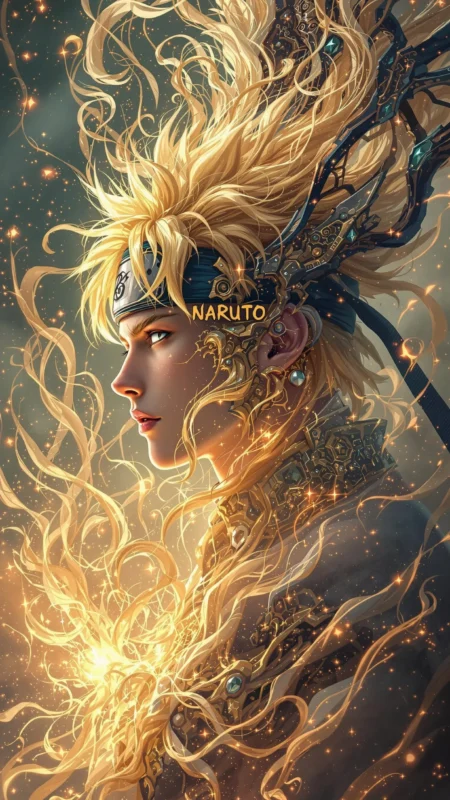
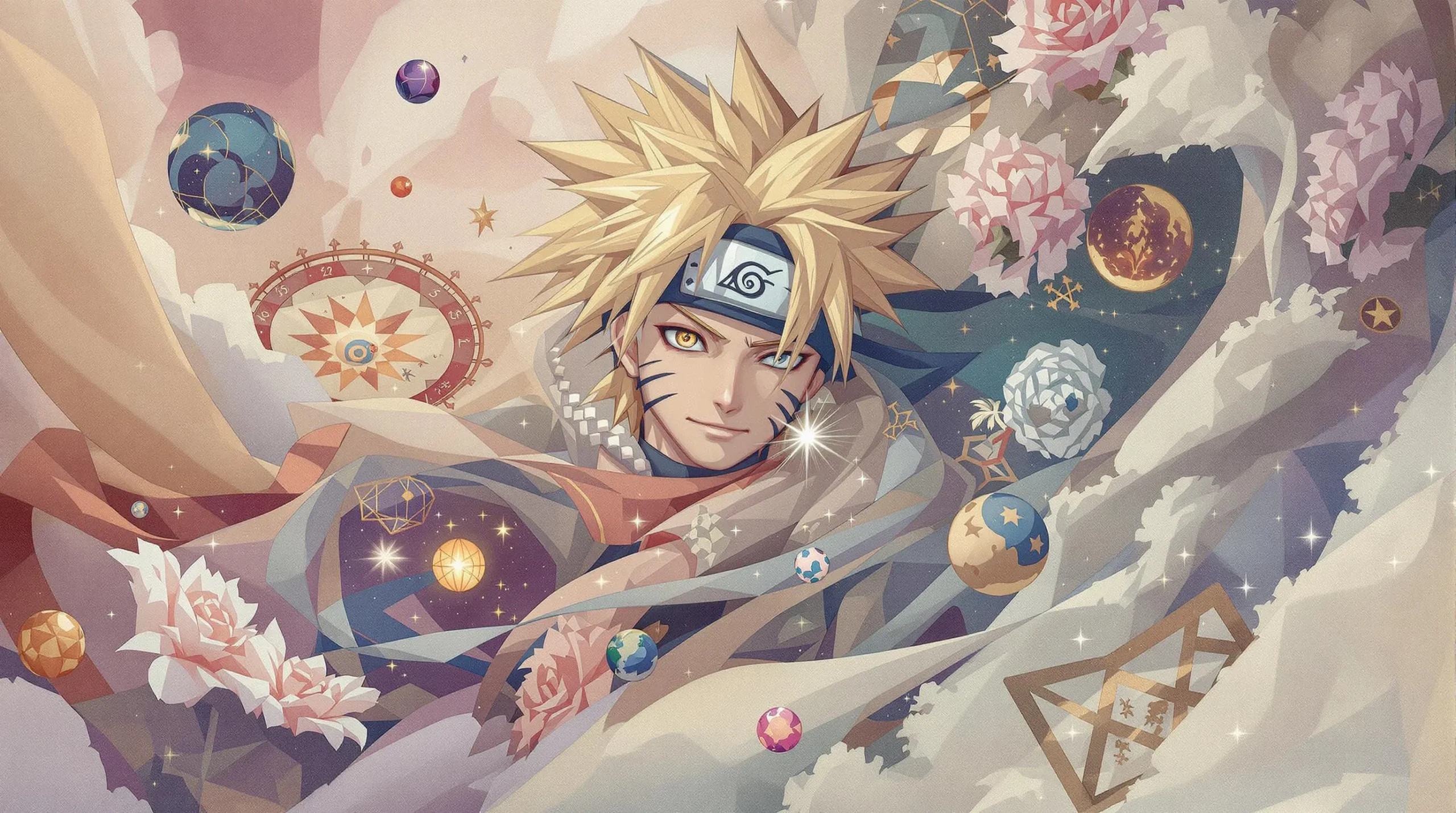
At its core, the Naruto archetype may be a modern parable about the alchemy of loneliness. He is the outcast child, marked by a force he cannot comprehend, bearing the scorn of a village that fears him. For a person whose mythos includes this figure, loneliness is not a passive state but an active crucible. It is the silent forge where a unique identity is hammered out. The archetype suggests that the experience of being 'othered' can cultivate a profound, almost painful empathy: a superpower born from the wound of exclusion. To understand this archetype is to understand that the hunger for a single bowl of ramen shared with a friend can be a more potent motivator than the quest for ultimate power.
The archetype redefines the nature of strength. In a world of inherited genius and fated bloodlines, his power is not elegant, not innate. It is clumsy, loud, and built through grueling, repetitive effort. It is the power of 'guts.' This could symbolize a deep-seated belief that will is superior to talent, that effort can rewrite destiny. Power, in this mythological framework, is not something you have: it is something you do. It is the promise you scream into the wind and then spend a lifetime trying to keep. It is the accumulation of a thousand failures, each one a stepping stone toward a single, earth-shaking success.
Furthermore, Naruto represents the struggle to integrate the inner demon. Kurama, the Nine-Tailed Fox, is not merely an external threat but the embodiment of Naruto's own rage, pain, and isolation. The central drama is not destroying this beast but befriending it. This could be a powerful metaphor for one's relationship with their own shadow: the parts of the self we fear, repress, or despise. The mythos suggests that true power arrives only when you stop fighting the monster in the cage of your own gut and instead ask for its name. It is a story about turning your greatest liability into your most powerful, albeit dangerous, ally.