 Believe
 Fear
Fear Strength
 Weakness
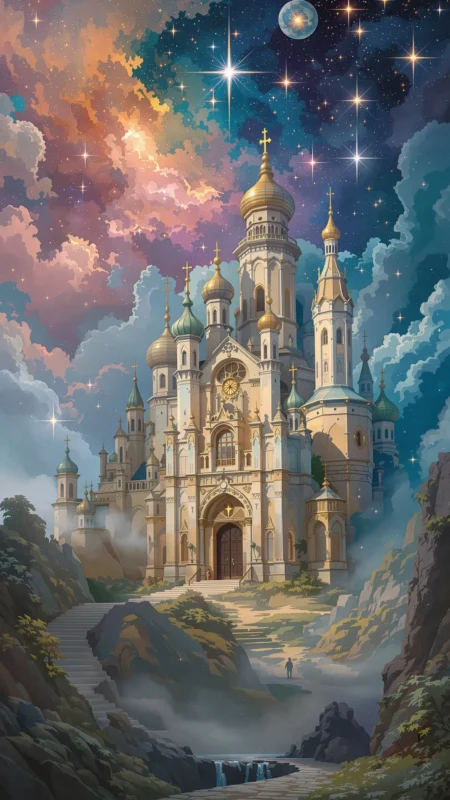
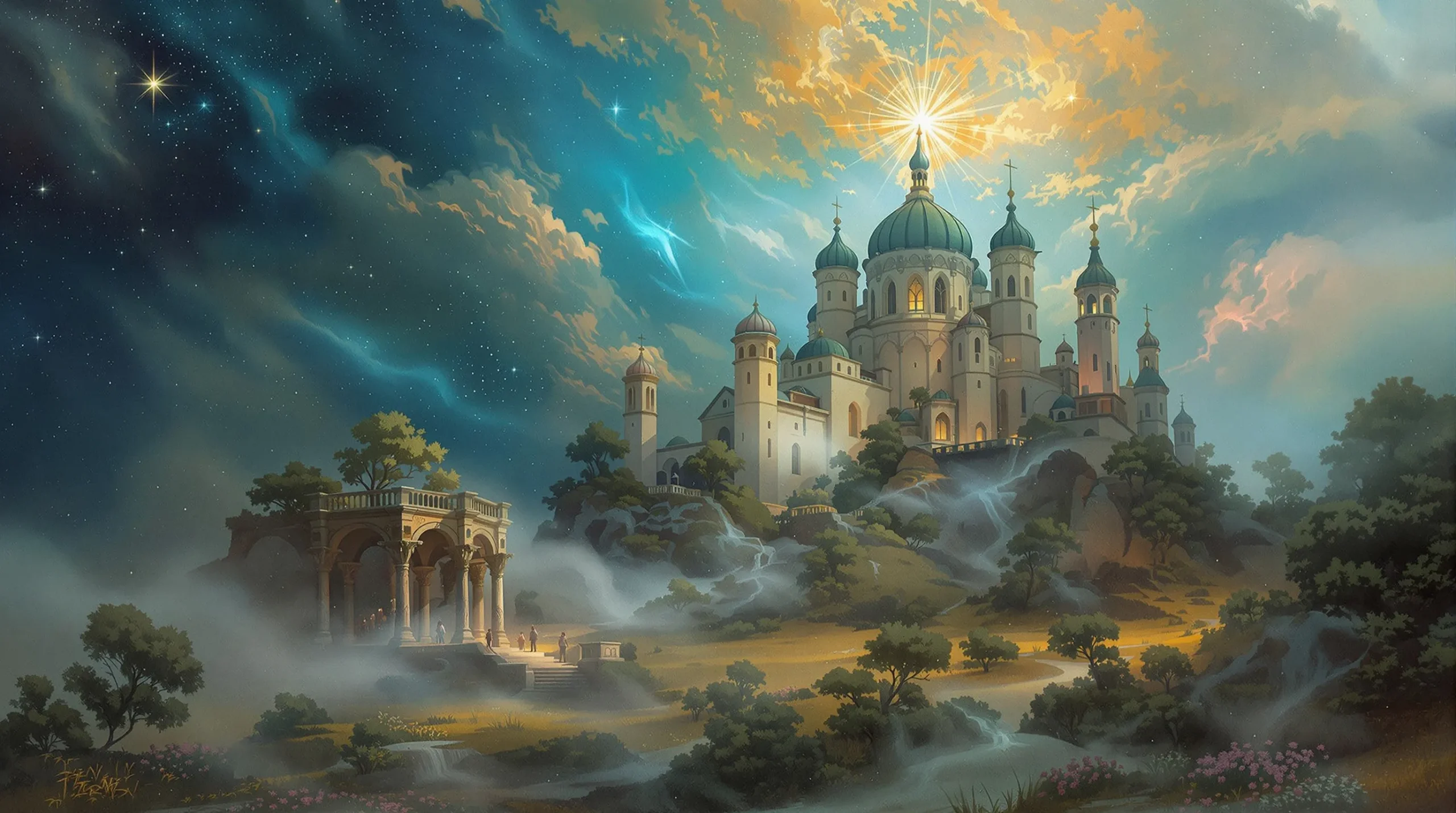
In personal mythology, the Monastery represents the inner sanctum, that inviolable space within the psyche where one can retreat from the cacophony of the world. It is the architectural manifestation of the desire for focus, for a life curated around a central principle rather than scattered by a thousand competing demands. To have the Monastery in your mythos is to possess a blueprint for an internal fortress of solitude, a place to which you can return to recalibrate your spiritual compass. It suggests a belief that the most profound realities are not discovered in the expansive wilderness of experience, but in the deliberate, focused excavation of a single, consecrated plot of inner ground.
The archetype speaks to the power of renunciation, not as a form of self-punishment, but as a path to a more potent form of freedom. By willingly setting aside certain distractions, ambitions, and worldly attachments, you may be creating the negative space necessary for something more essential to emerge. It is the artist clearing their studio, the writer unplugging the router. The Monastery proposes that your greatest power might not lie in what you acquire, but in what you are willing to give up in pursuit of a deeper signal. It is the sacredness of the edit, the holiness of the uncluttered calendar, the divinity of the single, well-tended task.
Furthermore, the Monastery symbolizes the communion of the solitary. It is not simply about being alone; it is about being alone, together. Its presence in your story may point to a need for a community built not on casual sociability but on a shared, silent understanding and a common devotion to a higher purpose. It is the fellowship of fellow travelers on an inner path, who can sit in a room together for hours, each engaged in their own work, yet feel a profound and energizing sense of connection. It redefines community as a shared quality of attention, rather than a shared stream of conversation.