 Believe
 Fear
Fear Strength
 Weakness
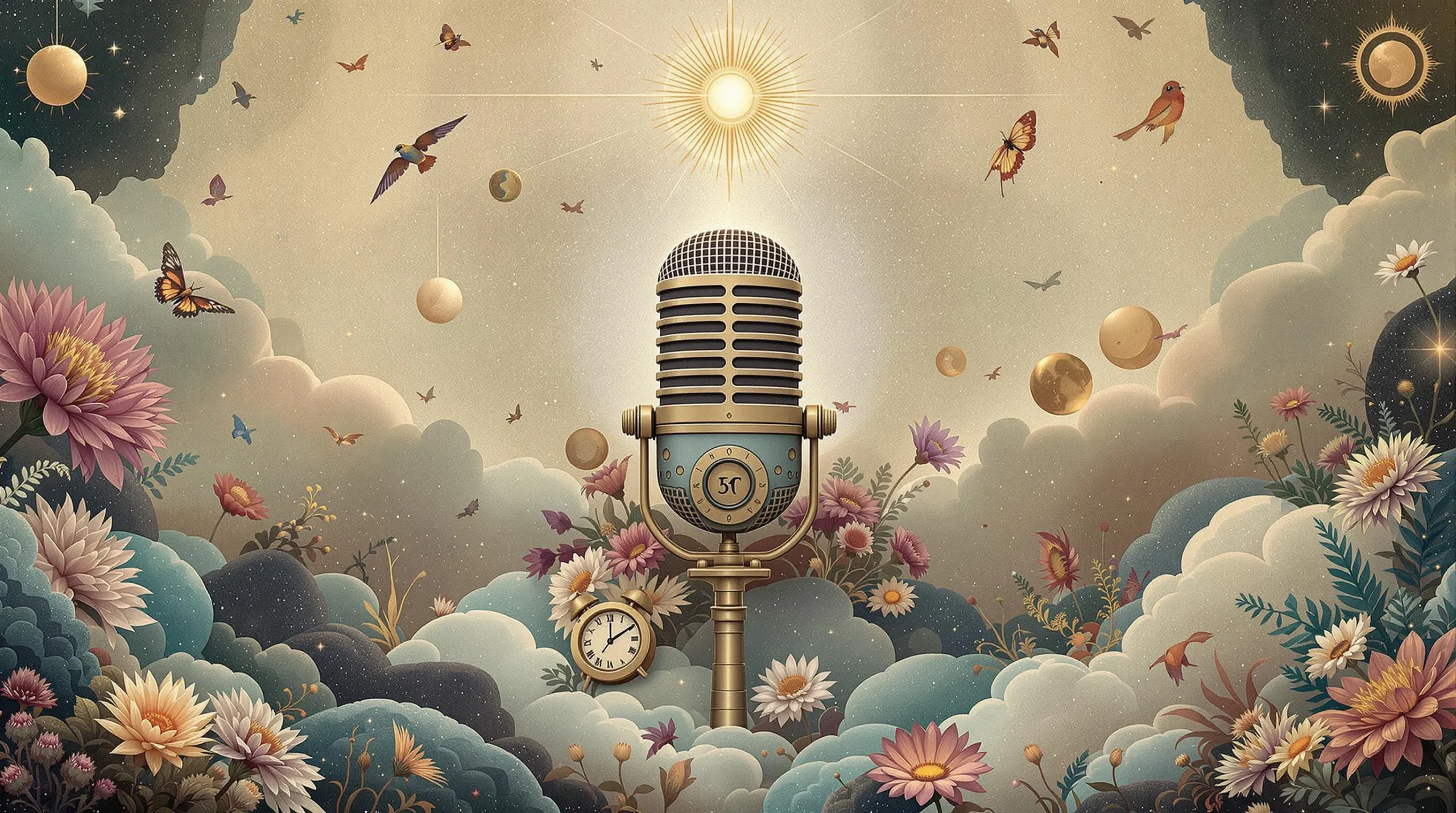
In the personal mythos, the Microphone symbolizes the power of voice, not merely as sound but as influence. To hold the Microphone is to hold the potential to alter the narrative, to shift the emotional weather of a room or a generation. It represents a critical threshold: the moment a private thought is made public, taking on weight and consequence. This archetype suggests a life punctuated by declarations, by moments where speaking up changed everything. It’s the courage to step onto the stage of one’s own life, to articulate a truth, and to accept the attention, for better or worse, that comes with being heard. A person aligned with this archetype may feel a deep, intrinsic need to express, to translate their inner world into a signal that can be received by others.
Yet, the Microphone is also a potent symbol of vulnerability. It amplifies not just the conviction in a voice but every crack, every tremor, every hesitation. It exposes the speaker, laying bare their humanity for all to scrutinize. The fear of feedback, that piercing shriek of a system overloading, is the fear of a message gone wrong, of good intentions becoming a painful noise. This archetype asks for a radical sort of courage: the willingness to be fully heard, which means being willing to be fully seen. It acknowledges that the power to influence is shadowed by the risk of rejection, and that true strength lies not in a flawless delivery, but in speaking despite the trembling.
Furthermore, the Microphone may function as a symbol of translation and filtration. It is not the source; it is the conduit. It takes the complex, analog reality of a voice and converts it into a signal. This process is never perfect. The Microphone can color the truth, adding warmth or a cold, clinical distance. In a personal mythology, this could represent the way we shape our own stories in the telling, the filters we apply, consciously or not, to our own expression. It raises questions about authenticity: is my broadcast self my true self? The Microphone archetype invites a lifelong inquiry into the nature of one's own signal, and a continuous effort to make the broadcast as true to the source as possible.