 Believe
 Fear
Fear Strength
 Weakness
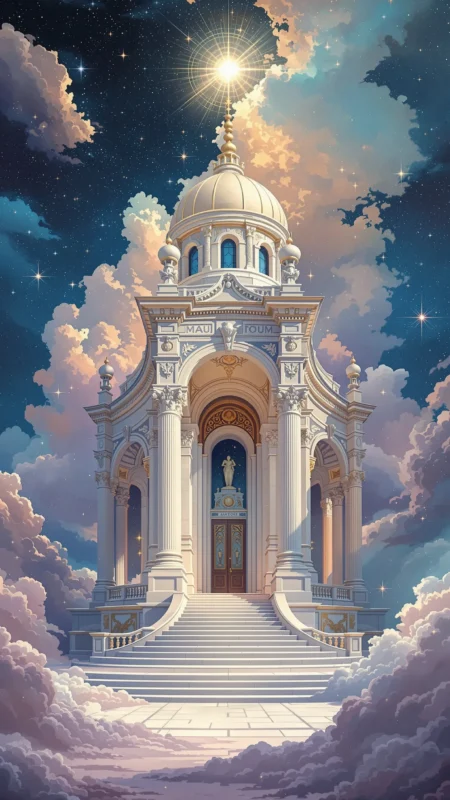
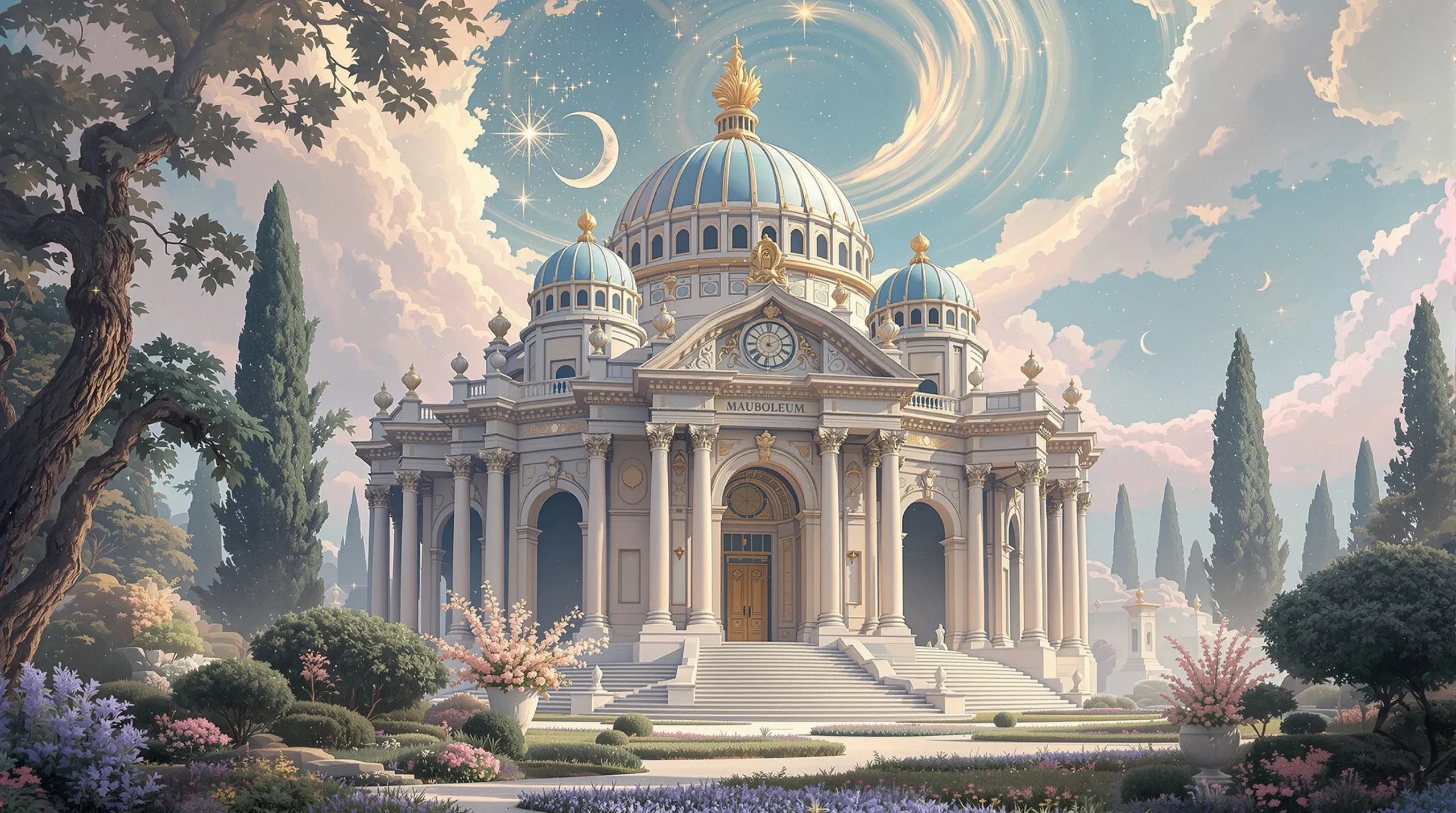
The Mausoleum in personal mythology is rarely about death itself: it is about the architecture of memory. It represents the parts of your story that you have chosen to make permanent, the experiences so formative they are carved in stone. This is the inner sanctum where you house your most defining loves, losses, and transformations. To have the Mausoleum as part of your mythos suggests you understand that a life is built: it requires foundations, honored materials, and a quiet place to reflect on the blueprints of the past. It is the belief that a self is not just a transient being but an edifice, a structure that contains all of its previous incarnations within its walls.
Furthermore, this archetype speaks to the transfer of energy from the personal to the ancestral. The Mausoleum is where individual grief graduates into collective legacy. It’s the understanding that your personal story is a single, ornate sarcophagus within a much larger family vault. The concerns of the day-to-day may fade, but the inscriptions of deep love, profound sacrifice, and hard-won wisdom are meant to be read by future generations. It is a commitment to living a life worthy of inscription, to creating a narrative that provides shelter and meaning for those who will walk the halls after you.
In a modern context, where culture often prizes the ephemeral and the new, the Mausoleum archetype is a radical act of preservation. It is the quiet insistence that some things should not be swiped away. It could manifest as a dedication to a craft, the careful curation of a family history, or the building of a business on principles of longevity over profit. It is a psychic space of stillness in a world of noise, reminding you that your identity is not defined by the fleeting trends of the moment but by the enduring truths you have chosen to honor and protect.