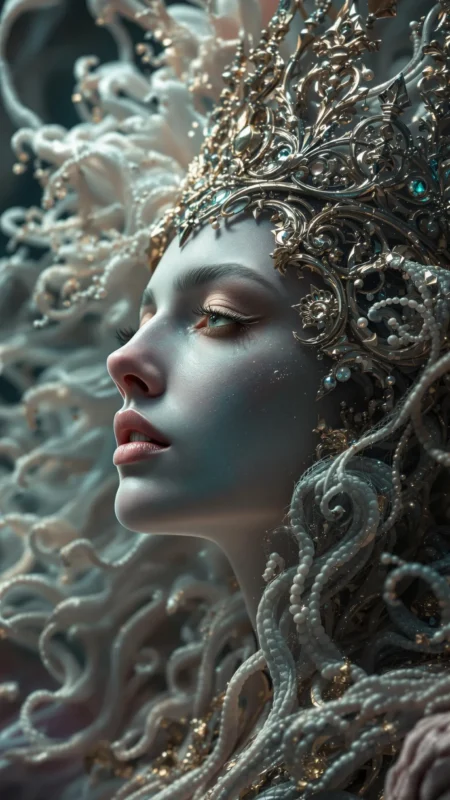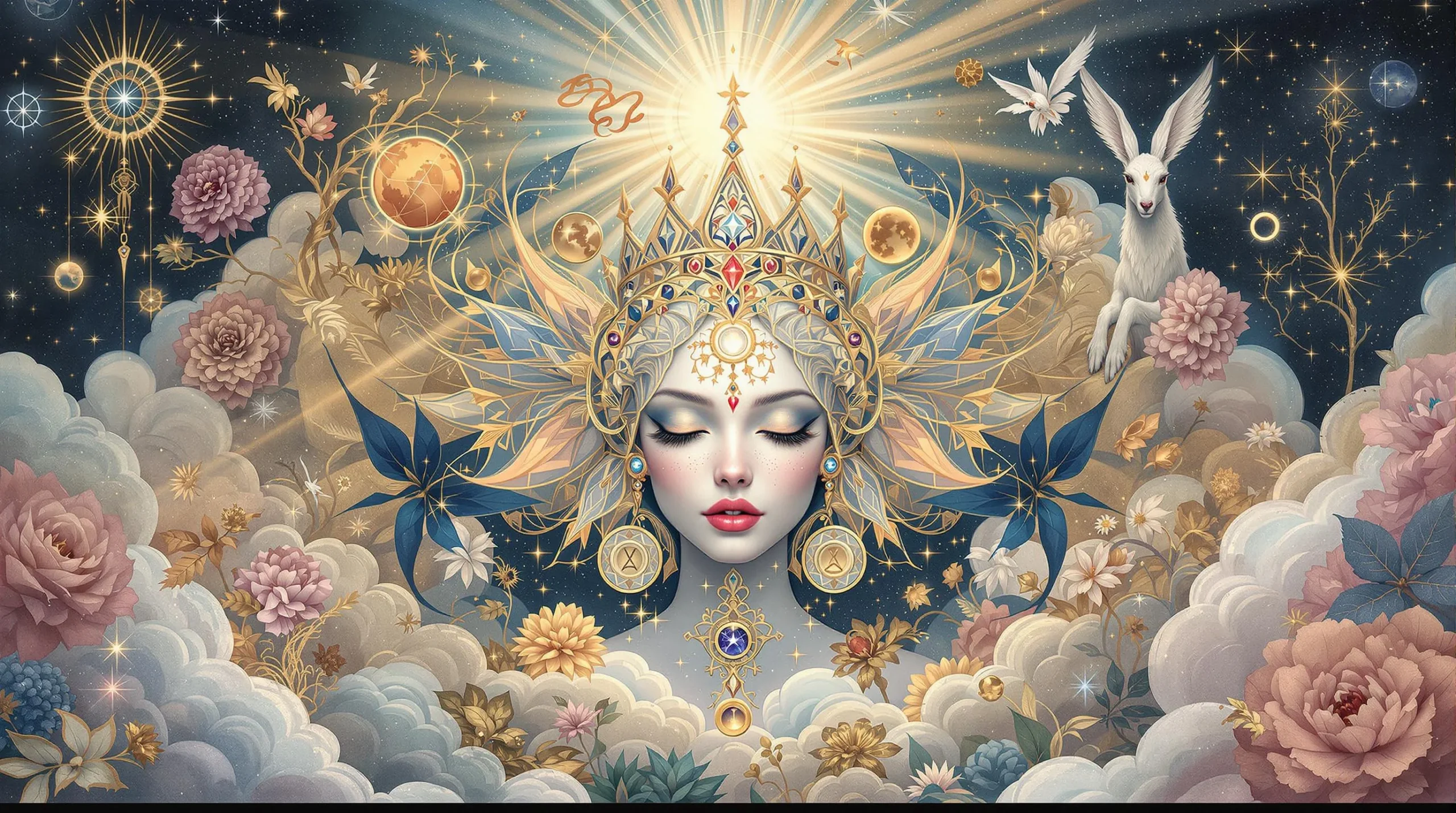


Lost Crown

Archetype Meaning & Symbolism

forgotten, potential, legacy, humble, unclaimed, sovereign, deposed, latent, phantom, entitled

  • My absence on a head reveals more than my presence ever could: true authority is a weight in the soul, not a pressure on the brow.

If Lost Crown is part of your personal mythology, you may...

Believe

  • My true value is inherent, not earned, and it is independent of my current circumstances.

  • There is a specific role or position in the world that I was uniquely born to fill.

  • The current systems of power and recognition are likely illegitimate, and they overlook what is most truly worthy.

Fear

  • That the crown, and the potential it represents, was just a story I told myself.

  • Living an entire life in 'exile' and dying without ever claiming my rightful place.

  • Being seen and treated as ordinary, because it feels like a fundamental misreading of my soul.

Strength

  • A resilient sense of self-worth that is not dependent on the approval of others.

  • The ability to see hidden potential and unrecognized nobility in other people and situations.

  • A powerful inner drive fueled by a grand, inspiring personal narrative of destiny.

Weakness

  • A sense of entitlement that can alienate others and breed resentment.

  • Passivity and a tendency to wait for destiny to act, rather than taking practical steps towards a goal.

  • Chronic dissatisfaction with the present and an inability to appreciate small, hard-won accomplishments.

The Symbolism & Meaning of Lost Crown

In the personal mythos, the Lost Crown is a symbol of the immense gulf between our perceived potential and our current reality. It is the haunting melody of a destiny unfulfilled, a legacy waiting to be claimed. This archetype does not represent a simple ambition; it is more profound, a sense of innate, almost genetic, entitlement to a grander life. Its presence in your story suggests a foundational narrative of loss, perhaps a golden age or a birthright that was squandered or stolen before you could even grasp it. The crown itself is cold, heavy, and likely sits in mud or tangled in the roots of an ancient tree, a potent metaphor for a glorious potential mired in the mundane or the overgrown wilderness of daily life. Its meaning is therefore twofold: it is at once the source of a deep-seated dissatisfaction and the prime mover for a quest toward self-reclamation.

The Lost Crown may also symbolize the freedom that comes from being unburdened by the duties of power. The head that wears the crown lies uneasy, but the one who has lost it might sleep soundly in a barn, eat a simple meal with relish, and speak truth without the filter of diplomacy. To have the Lost Crown in your personal mythology could point to a subconscious desire to be released from crushing expectation, either from family or from oneself. It transforms the narrative from one of tragic loss to one of subtle liberation. You are no longer responsible for the entire kingdom, only for the kingdom of the self. The weight is not on your head but in your history, a story you can choose to tell rather than a role you are forced to perform.

Ultimately, this archetype speaks to the nature of legitimacy. It forces the question: what makes a ruler, or a person of worth? Is it the external symbol, the crown bestowed by others? Or is it an internal quality, a sovereignty of spirit that no one can grant or take away? The Lost Crown, by its very absence, argues for the latter. It suggests that your true power lies not in reclaiming the physical object, but in embodying the virtues it represents: justice, wisdom, and responsibility for your own domain, however small. The mythos it creates is one where the protagonist must become a king or queen in character before they can ever hope to feel the weight of their legacy as anything other than a burden.


Lost Crown Relationships With Other Archetypes

The Usurper

The Lost Crown's narrative is often defined by its relationship with The Usurper. This could be a person, an institution, or even a past version of oneself that made a catastrophic error. The Usurper is who currently wears the crown, rightfully or not, casting a long shadow that the protagonist must live within. In a personal myth, this could be the sibling who got all the attention, the colleague who stole an idea, or the societal system that seems to reward the undeserving. The relationship is one of bitter contrast and magnetic opposition; the Lost Crown's sense of quiet, inherent worth is constantly measured against The Usurper's loud, demonstrated power. The quest is not simply to reclaim the crown, but to prove the Usurper's legitimacy as false.

The Wasteland

The kingdom over which the Lost Crown once held dominion is now The Wasteland. This archetype represents the consequences of lost leadership and squandered potential. In a personal mythos, The Wasteland might be one's career after a major setback, a family fractured by discord, or a creative project left to wither. The state of The Wasteland is a constant, painful reminder of the crown's absence. The Lost Crown feels a phantom responsibility for this decay, a deep-seated guilt or longing to restore the land to its former fertility. The journey through The Wasteland is often a necessary part of the quest, forcing the protagonist to confront the real-world impact of their lost authority before they can hope to restore it.

The Orphan

The Orphan archetype often shares a profound kinship with the Lost Crown, as the Orphan is frequently the crown's secret, rightful heir. If the Lost Crown is the symbol of lost legacy, The Orphan is its human embodiment. A person with both archetypes in their mythos feels a dual narrative: the profound lack of belonging and history from The Orphan, combined with the secret, unsubstantiated grandeur of the Lost Crown. This creates a powerful internal engine for seeking identity and purpose. The relationship is symbiotic: the Orphan's quest for a home is fulfilled by finding the Lost Crown, and the Lost Crown's story of loss is redeemed by being found by its rightful, long-suffering heir.

Using Lost Crown in Every Day Life

Navigating Career Disappointment

When faced with a layoff or a denied promotion, the Lost Crown archetype can frame the experience not as a failure, but as a deposition. It allows you to see your intrinsic value as separate from the title you held. This is not the end of your reign, but an interregnum, a period to rediscover the source of your authority that exists independent of any corporate structure, a sovereignty that cannot be revoked by an external party.

Understanding Family Legacy

If you come from a family whose fortunes have faded or whose history holds a grand but distant past, the Lost Crown helps make sense of the phantom limb of that legacy. You may feel the weight of expectations from a kingdom that no longer exists. This archetype helps you to sift through the inheritance, to distinguish the valuable jewels of character and wisdom from the tarnished metal of entitlement and regret, allowing you to forge a new legacy instead of merely mourning an old one.

Finding Worth Beyond Validation

In a world obsessed with external metrics of success, the Lost Crown offers a counternarrative. It is the archetype of inherent worth, a quality that is not bestowed but simply is. When you feel invisible or unappreciated, embodying this archetype could mean carrying yourself with a quiet dignity, a secret knowledge of your own value. It is the practice of being royal in your own private, one-person kingdom, finding that the validation you sought was a bauble compared to the treasure of self-possession.

Lost Crown is Known For

The Phantom Limb of Power

The persistent, often unconscious, feeling of a power or status that was once held or should have been held. It is the ache of a missing authority, influencing posture, speech, and a sense of one's place in the world, even if the 'kingdom' itself was never real.

The Quest for Worthiness

The Lost Crown is famous for instigating a lifelong quest, not for the crown itself, but for the worthiness to wear it. This journey is often mistaken by the individual as a search for external power, but is truly an internal pilgrimage toward self-acceptance and the realization that their sovereignty was never truly lost, only unrecognized.

The Humility of the Deposed

It represents a unique form of humility, one born not of modesty but of great loss. It is the quiet grace of a king in exile, a president after their term. This perspective may grant a profound empathy for the overlooked and an appreciation for the simple dignities of life, having seen the vanity of high station.

How Lost Crown Might Affect Your Personal Mythology

How Lost Crown Might Affect Your Mythos

When the Lost Crown is a central object in your personal mythos, your life story ceases to be a straightforward progression and becomes a quest narrative, a romance in the classical sense. Your biography is shaded with the grandeur of an epic poem, perhaps one that begins in media res, with the great loss having already occurred. Everyday challenges are no longer mere obstacles; they are trials. Mundane jobs become periods of exile. Moments of quiet satisfaction may be tinged with the melancholy of what could have been. Your personal myth is not about building a kingdom from scratch but about reclaiming one that is rightfully yours.

This archetype shapes the plot of your life around a central mystery: where is the crown, and how was it lost? You may find yourself drawn to stories of fallen nobility, deposed monarchs, and hidden heirs, seeing your own narrative reflected in theirs. Your personal history might be reinterpreted through this lens; a childhood move becomes an expulsion from the garden, a parent's disappointment becomes the loss of a divine mandate. The central conflict of your mythos is internal: the battle between the person you are and the person you were 'meant' to be. The climax of such a story is not necessarily finding the crown, but reconciling these two identities.

How Lost Crown Might Affect Your Sense of Self

The Lost Crown's influence on your sense of self is a study in paradox. You may possess a deep, almost unshakable core of self-worth, a belief in your own specialness that is independent of any external achievement. This is the secret nobility of the deposed monarch. However, this may exist alongside a profound insecurity, a constant need for your inner reality to be validated by the outer world. It is a kind of reverse imposter syndrome: you don't feel like a fraud, you feel like a sovereign in disguise, and you fear no one will ever recognize you.

This can lead to a state of perpetual waiting, a passivity rooted in the belief that your destiny should come to you. You may hold back from fully committing to projects or relationships, feeling they are beneath your 'true' station. This archetype could foster a self-concept that is highly aspirational and imaginative, but also somewhat detached from the tangible world. The self is defined not by what it has done, but by its latent, untapped potential, which can be both a source of immense hope and a heavy, immobilizing burden.

How Lost Crown Might Affect Your Beliefs About The World

With the Lost Crown as a guide, you may view the world as a place of hidden hierarchies and obscured truths. The visible structures of power—governments, corporations, social ladders—might seem like a sham, a garish play put on by usurpers. Your worldview could be tinged with a romantic cynicism, a belief that the most deserving people are rarely in charge and that true value is almost always overlooked. You might see potential everywhere, in forgotten people and decaying places, viewing the world as a grand, dilapidated castle waiting for its rightful ruler to return and restore it.

This perspective can foster a deep empathy for the underdog and a suspicion of authority. You may believe that legitimacy is a matter of character and destiny, not of popular vote or accumulated wealth. The world is not a meritocracy; it is a fallen kingdom. This can lead to a political or social idealism, a desire to upend the current order and reveal the true nobility underneath. It can also, however, lead to a disconnect from pragmatic reality, a preference for grand theories of how things 'should be' over engaging with the world as it is.

How Lost Crown Might Affect Your Relationships

In relationships, the Lost Crown archetype can manifest as a search for a consort, a partner who can recognize the royalty within and is worthy of sharing the throne. You might unconsciously test potential partners, waiting for them to see past your 'disguise' and acknowledge your inherent specialness. This can place an immense burden on a relationship, demanding a level of adoration and validation that is difficult for anyone to provide. You may be drawn to people who seem to see your potential, but you might also be quick to dismiss those who treat you as an equal, mistaking partnership for a lack of reverence.

There may also be a persistent feeling of being alone, even when surrounded by loved ones. The experience of the deposed sovereign is a lonely one; no one can truly understand the weight of the phantom crown. This can create a subtle barrier in your relationships, a sense that your core identity is inaccessible to others. You might struggle to belong to groups, feeling that your rightful place is somewhere else entirely. This can lead to a pattern of forming intense but ultimately unsatisfying bonds, always seeking a court that feels like home but never quite finding it.

How Lost Crown Might Affect Your Role in Life

This archetype creates a fundamental tension between your perceived role and your actual circumstances. You may be working as a clerk, but you feel like a king; you might be a middle manager, but you feel destined to be a visionary CEO. This creates a chronic sense of miscasting. You are an actor on the wrong stage, speaking lines that do not fit you. This can be a powerful motivator, driving you to seek out a role that aligns with your grand self-concept. You may refuse to be defined by your job title, cultivating a rich inner life and a persona that transcends your daily tasks.

However, this can also lead to a deep dissatisfaction and a refusal to find dignity in the work at hand. If the only role that feels authentic is 'ruler,' then every other role will feel like a compromise, a temporary indignity to be endured. You may struggle to follow orders or respect authority figures whom you secretly deem less worthy than yourself. Your true role, as you see it, is not something you build through labor and skill, but something you reclaim through a shift in fortune or a moment of grand recognition. This can make it difficult to navigate the incremental, often humbling, path of a typical career.

Dream Interpretation of Lost Crown

In a positive context, dreaming of the Lost Crown, particularly the act of finding it or placing it upon your own head, is a powerful symbol of self-reclamation. It may signify that you are integrating a lost part of yourself, acknowledging your own authority, and stepping into your potential. The dream might occur after a period of self-doubt or after achieving a significant personal milestone. Finding the crown in a beautiful, natural setting—like a sunlit glade or a clear stream—suggests that this reclaimed sovereignty is organic and life-giving. It is your psyche telling you that you are ready to rule the kingdom of yourself with wisdom and grace.

In a negative context, the dream can be fraught with anxiety. Dreaming that the crown is just out of reach, that it crumbles to dust when you touch it, or that you see it on the head of a rival, points to feelings of inadequacy, envy, and powerlessness. It could reflect a deep-seated fear that your potential is an illusion or that your opportunity has passed you by. A tarnished, broken, or ill-fitting crown might symbolize a legacy that has become a burden, a source of pressure rather than pride. These dreams are a call to examine your relationship with your own ambition and to question whether the pursuit of this external symbol is preventing you from finding worth in your present self.

How Lost Crown Archetype Might Affect Your Needs

How Lost Crown Might Affect Your Physiological Needs

The mythos of the Lost Crown may lead to a peculiar disregard for the body's most basic requirements. The narrative is so focused on a higher, metaphysical state of being—the rightful status, the reclaimed throne—that the mundane mechanics of survival can seem like an insult. You might find yourself forgetting to eat, subsisting on coffee and ambition, because the act of preparing a meal feels too pedestrian for a monarch-in-waiting. The body is merely a vessel to be endured until the kingdom is restored, not a temple to be tended.

This is not a conscious asceticism, but a kind of noble neglect. Sleep might be seen as a waste of time that could be spent plotting a return to glory. Physical discomfort could be ignored, a minor annoyance in the grand scheme of the epic narrative. There may be a belief, conscious or not, that once the crown is reclaimed, these physiological needs will be magically tended to by servants and circumstances. The result could be a state of chronic exhaustion or poor health, a kingdom of the self whose physical infrastructure is crumbling while its ruler stares at a distant horizon.

How Lost Crown Might Affect Your Ideas of Belonging

The Lost Crown archetype is a profound agent of isolation. It places you in a liminal space of belonging: you may feel you are too good for the company you keep, yet you have no access to the society you feel you deserve. This creates a specific and poignant loneliness, the loneliness of the royal in exile. You may struggle to form connections with peers because a part of you is always holding itself apart, judging, and finding others wanting. True belonging feels impossible because your 'true' peers are in a kingdom to which you have no passport.

This can manifest as a deep hunger for a specific kind of love and friendship: a connection based on being 'seen' for your hidden nobility. You may search for friends who will act as your loyal court or a partner who will treat you like royalty. The tragedy is that this search for subjects can prevent you from finding equals. The need for love and belonging becomes entangled with the need for recognition, and you might reject genuine affection if it is not offered with the correct degree of reverence. This can lead to a life surrounded by people, yet feeling utterly, royally alone.

How Lost Crown Might Affect Your Feelings of Safety

The need for safety may be skewed by the Lost Crown's influence. On one hand, you could feel a strange sort of invincibility, a belief that destiny will protect you. Why worry about financial security when you are fated for greatness? This can lead to reckless decisions: quitting a stable job on a whim, investing savings in a long-shot venture, or generally moving through the world without a safety net, convinced that as the protagonist of a grand story, you have plot armor. The universe, you may feel, would not allow its hidden monarch to come to any real harm.

Conversely, this archetype can create a profound sense of insecurity and vulnerability. Without the symbolic protection of the crown and the castle walls, you may feel perpetually exposed, an exile in a dangerous land. You might see threats everywhere, interpreting minor setbacks as targeted attacks by usurpers who wish to keep you down. This could lead to a hyper-vigilance, a deep-seated financial anxiety, or a reluctance to take any risks at all, hunkering down and trying to survive until your rightful status is restored. Safety, in this view, is not something you create but something that is owed to you and has been stolen.

How Lost Crown Might Affect Your Views of Esteem

Esteem, under the sway of the Lost Crown, is both monumental and catastrophically fragile. The foundation of your self-esteem may be a belief in your inherent, almost divine, right to greatness. It's not based on your accomplishments, skills, or character; it is based on your essence, your 'royal blood.' This can provide a powerful buffer against criticism and failure. When you fail a test or lose a game, it doesn't diminish you, because those are the trivial concerns of commoners. Your worth is pre-ordained.

However, this very foundation makes esteem incredibly vulnerable. Because it is not built on tangible evidence, it requires constant internal reinforcement and is susceptible to the cold dread of reality. Any event that suggests you might, in fact, be ordinary can trigger a catastrophic crisis of self. Your esteem is a magnificent palace built on a fault line. It needs the external world to eventually mirror its internal claims. Without the 'proof' of the crown, the high esteem can collapse into its opposite: a deep-seated shame and a feeling of being a fraud not because you are pretending to be more than you are, but because you are failing to be what you believe you were born to be.

Shadow of Lost Crown

When the Lost Crown archetype falls into shadow, it curdles into a potent and toxic entitlement. The quiet, inner knowledge of worth becomes a loud, obnoxious demand for deference. This is the 'king in rags' who berates the tavern keeper for not recognizing his majesty, who expects credit he has not earned and forgiveness he does not deserve. The shadow monarch does not seek to reclaim their kingdom through virtue, but believes the world owes them a living simply for who they are. They may become manipulative, using their story of loss as a tool to guilt others into serving them. This shadow turns a potentially noble narrative into a pathetic one, draining energy from everyone around them while contributing nothing.

Alternatively, the shadow can manifest as a deep, paralytic bitterness. This is the deposed ruler who refuses to leave their hovel, spending all their days nursing old grievances and cursing the usurpers. They reject any opportunity for a new life, as accepting it would mean relinquishing their claim to the old one. Their potential, symbolized by the crown, is not lost but hoarded. They keep it locked away, pristine and unused, because the risk of trying and failing to live up to it is too terrifying. They become a ghost in their own life, haunting the ruins of a past that may never have existed, choosing the cold comfort of a noble grievance over the messy, unpredictable work of building a new home.

Pros & Cons of Lost Crown in Your Mythology

Pros

  • It provides a powerful, mythic framework for understanding and overcoming setbacks.

  • It can foster an unshakeable self-belief that fuels ambition and creativity.

  • It encourages you to look beyond superficial markers of success and seek a deeper, more authentic purpose.

Cons

  • It can create a painful and alienating gap between your expectations and your reality.

  • It can foster passivity, as you wait for a destiny that may require your active participation to materialize.

  • It can make you devalue the real, tangible successes and relationships in your life in favor of a mythological ideal.