 Believe
 Fear
Fear Strength
 Weakness
The Linus van Pelt archetype is a walking, talking paradox, a totem for the parts of us that are simultaneously brilliant and terrified. The security blanket is perhaps the central artifact in this personal mythology: it is not a crutch but a tool, a tangible piece of philosophy. To carry it is to acknowledge that navigating the vast, often nonsensical, universe requires a tactile anchor. It symbolizes a radical permission for self-soothing, a rejection of the brittle performance of invulnerability. In your mythos, this blanket may be a specific song, a well-worn book, a daily ritual—anything that provides the consistent, non-judgmental comfort required to engage with life’s larger, more frightening questions.
Then there is the Great Pumpkin, a theology for one. This is not about organized religion; it is about the private altars we build in our hearts. The Great Pumpkin represents the courage to cultivate a personal faith, to believe in something magical and sincere in a world that worships irony and pragmatism. To have a Great Pumpkin in your mythology is to have a core belief that requires no consensus. It is the annual, hopeful vigil for your own private miracle, a testament to the idea that the sincerity of the belief is more important than the arrival of the deity.
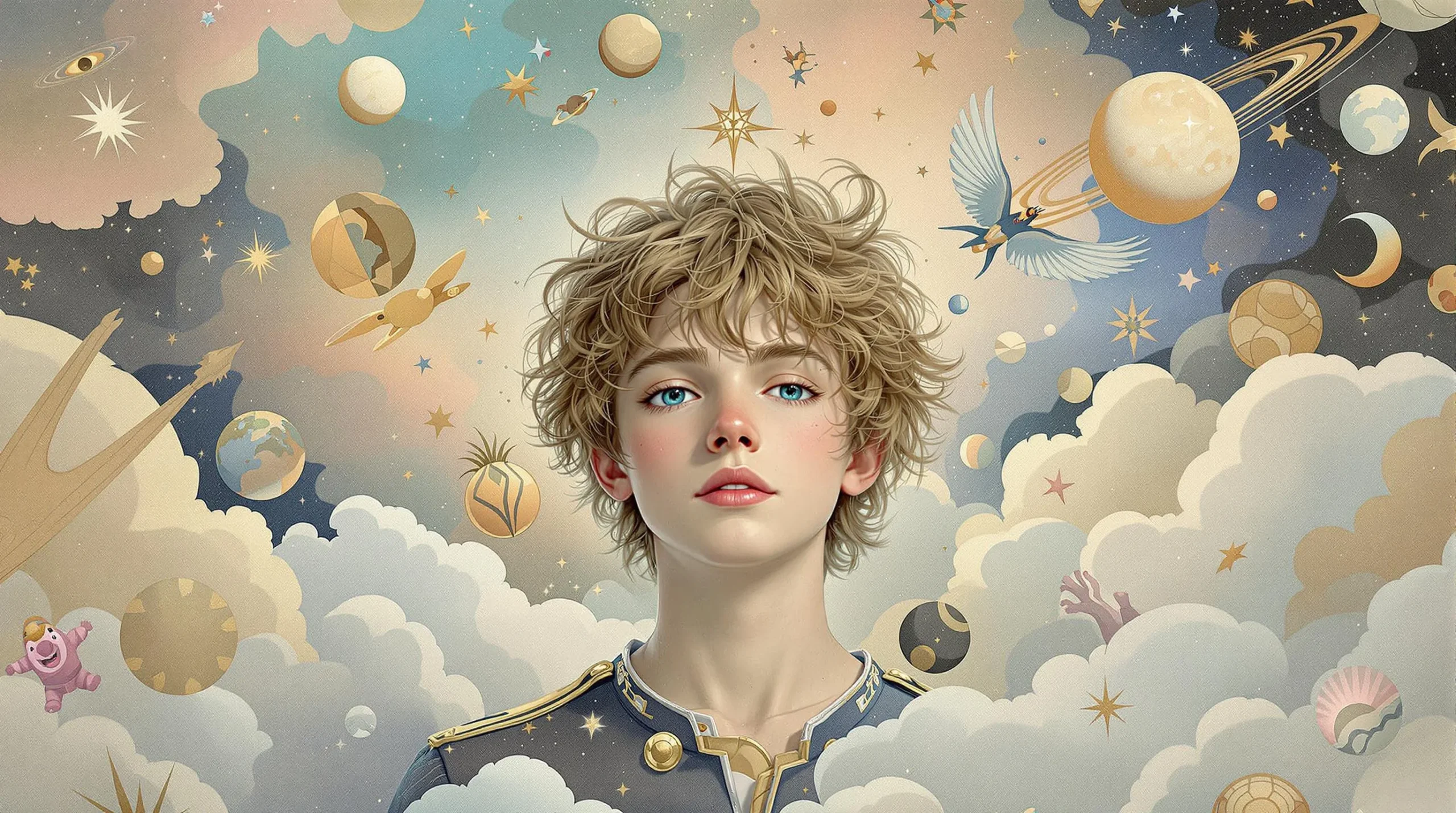
Together, these elements create the archetype of the Gentle Scholar. Linus symbolizes the truth that profound insight does not require an aggressive or armored personality. Your wisdom may be quiet, your philosophy laced with anxiety, your brilliance in need of a soft place to land. He sanctifies the intellectual who is also deeply sensitive, the prophet who sucks his thumb. He represents the mind that soars to metaphysical heights while the body remains grounded in its most basic, creaturely needs for comfort and safety.