 Believe
 Fear
Fear Strength
 Weakness
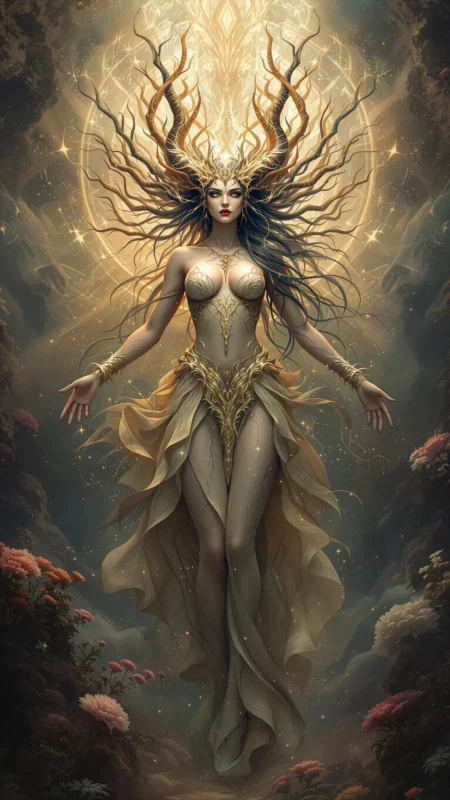
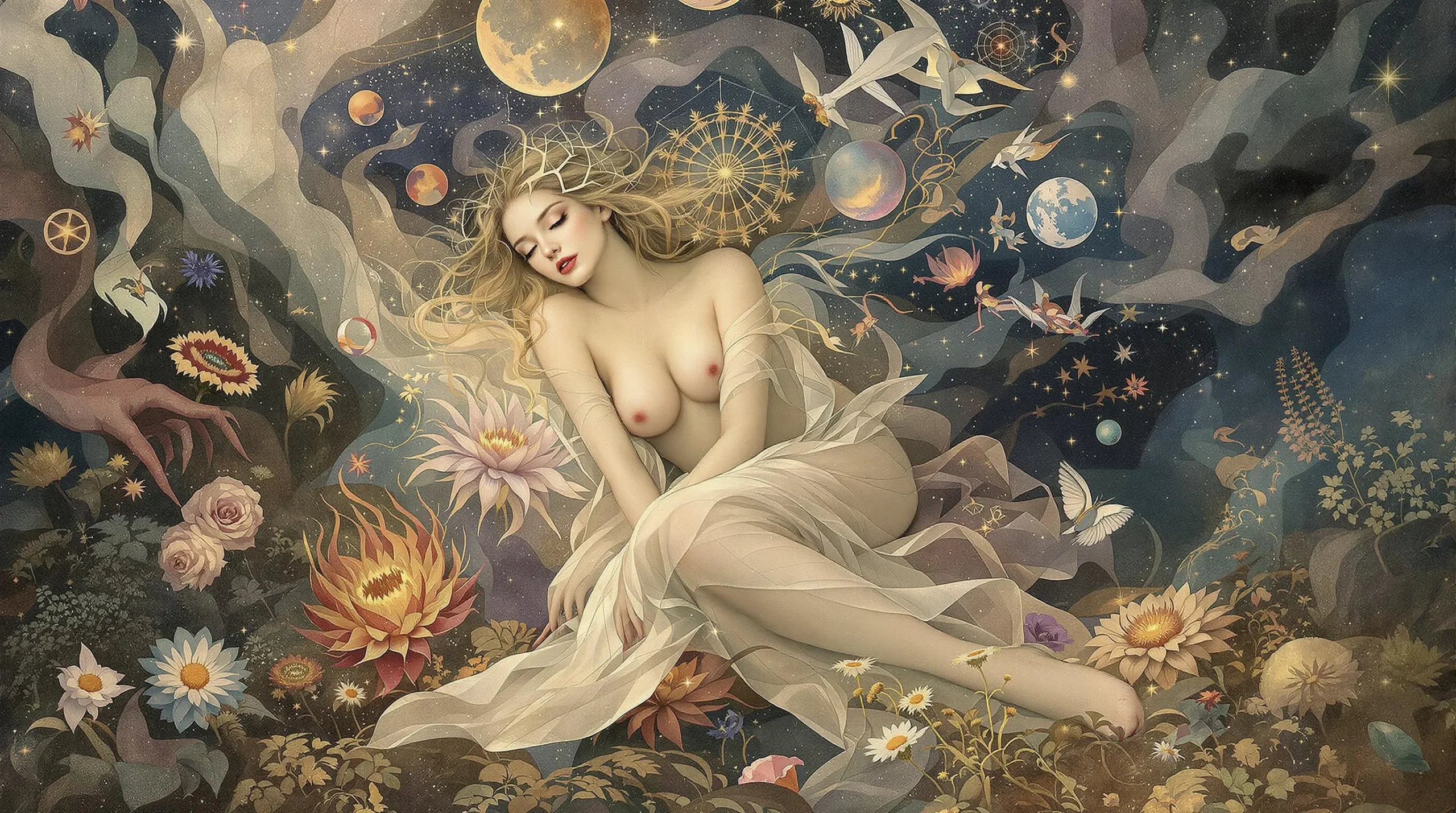
Lilith is the ghost in the machine of tradition, the first dissent. She is not merely a figure of rebellion, but a symbol of the high cost of sovereignty. To integrate her into one’s personal mythology is to acknowledge the parts of the self that refuse to be tamed, categorized, or made secondary. She represents the primal, instinctual wisdom that civilized structures often seek to pave over. She is the wild garden that insists on growing over the neat lawns of conformity, a testament to the life that thrives outside the walls. Her story may be a whisper that asks: what parts of your own Eden have you abandoned for the sake of an unequal peace?
In the modern psyche, Lilith often emerges as the patron saint of the purposefully misunderstood. She embodies the archetype of the woman, or the part of any person, who is demonized for demanding equality. She is what happens when feminine power does not nurture, but disrupts; when it does not yield, but stands its ground. Her symbolism is therefore a mirror for our own relationship with power, both personal and systemic. To grapple with Lilith is to grapple with the fear of being ostracized for one’s own truth. She is the keeper of the crossroads where one must choose between belonging and integrity.
Perhaps most profoundly, Lilith symbolizes the reclamation of the shadow. She is all that has been projected onto the feminine and cast out: untethered sexuality, righteous anger, and a comfortable relationship with the dark. She is a figure of terrifying integration, suggesting that true wholeness does not come from purging our “demons” but from recognizing their origins and inviting them back to the table. She is the knowledge that the night is not just an absence of light, but a territory in its own right, with its own wisdom, its own creatures, and its own stark beauty.