 Believe
 Fear
Fear Strength
 Weakness
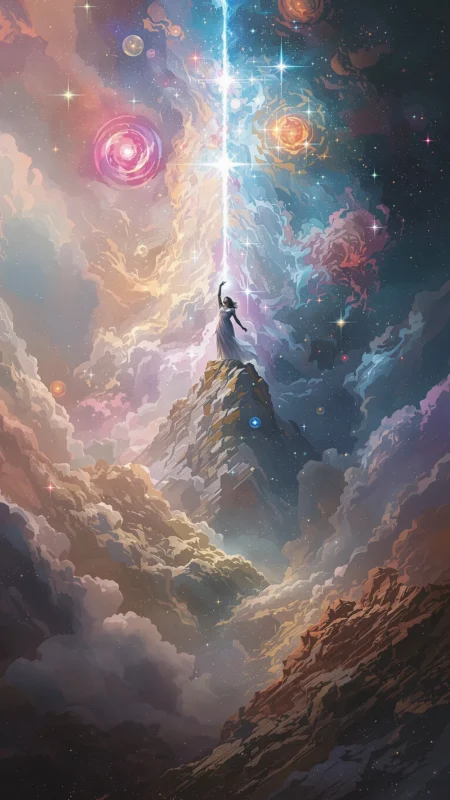
In personal mythology, the Last Stand symbolizes the soul's line in the sand. It is the Thermopylae of the heart, where a small, determined part of you holds off the overwhelming forces of compromise, expediency, or despair. This archetype may rise not on a battlefield, but in a boardroom, a family dinner, or the silent solitude of a creative struggle. It represents a profound act of self-definition, where you consciously decide what piece of your identity is non-negotiable. It is the moment you stop running, turn to face the tide, and plant your flag in the ground of your deepest convictions, transforming a moment of potential defeat into a testament of spiritual sovereignty.
The meaning of the Last Stand is found not in its outcome but in its performance. It is a ritual of integrity, a declaration that some things are more valuable than safety or success. When this archetype is part of your mythos, you may find that your life's narrative is punctuated by these moments of fierce, beautiful futility. These are the hinges upon which your story turns, revealing what you are truly made of. The symbolism is not of war, but of preservation: the preservation of honor, of a promise, of a vision, or of the quiet, unwavering truth of who you are when everything else is stripped away.
This archetype could also represent a necessary ending. The Last Stand is often the final, convulsive act before a transformation. It is the glorious death of an old self, an old belief system, or an old way of life. By refusing to let that part of you simply fade away or be dishonored, you give it a noble conclusion. This act of defiance, paradoxically, clears the ground for whatever comes next. It ensures that you do not drift into your future, but stride into it, carrying the legacy of a battle fought for the sake of your own soul.