 Believe
 Fear
Fear Strength
 Weakness
In the modern psyche, Lakshmi has become untethered from a purely financial significance. She may be understood now as the very principle of benevolent circulation: the flow of resources, of kindness, of energy, of life itself. She is less a noun, a static deity of gold, and more a verb, the active process of flourishing. To invite her into one's personal mythos is to shift focus from accumulation to cultivation. The core inquiry ceases to be, “How can I get more?” and becomes, “How can I foster an environment so rich, so fertile, that abundance is its natural outcome?” This is the subtle magic she offers: the understanding that wealth is an ecosystem you tend, not a beast you hunt.
In your life’s narrative, Lakshmi’s presence might not be in the lottery win, but in the serendipitous encounter that leads to a new job, the unexpected check that arrives just in time, the meal shared with a friend that nourishes more than the body. She is the animating spirit of good fortune, the subtle grace that makes things work out. Her symbolism resides in the moments of being “in the flow,” where effort feels effortless and right action yields beautiful results. She is the quiet confidence that even from the mud of personal failure or despair, something pure and worthy—a new insight, a new strength, a new beginning—can and will emerge.
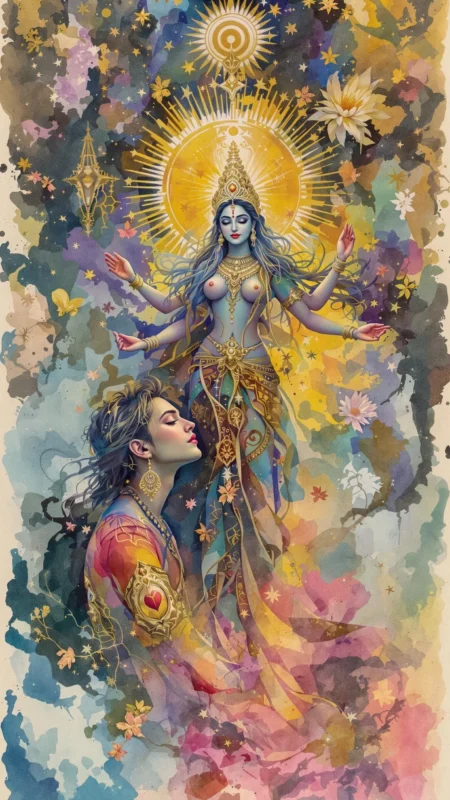
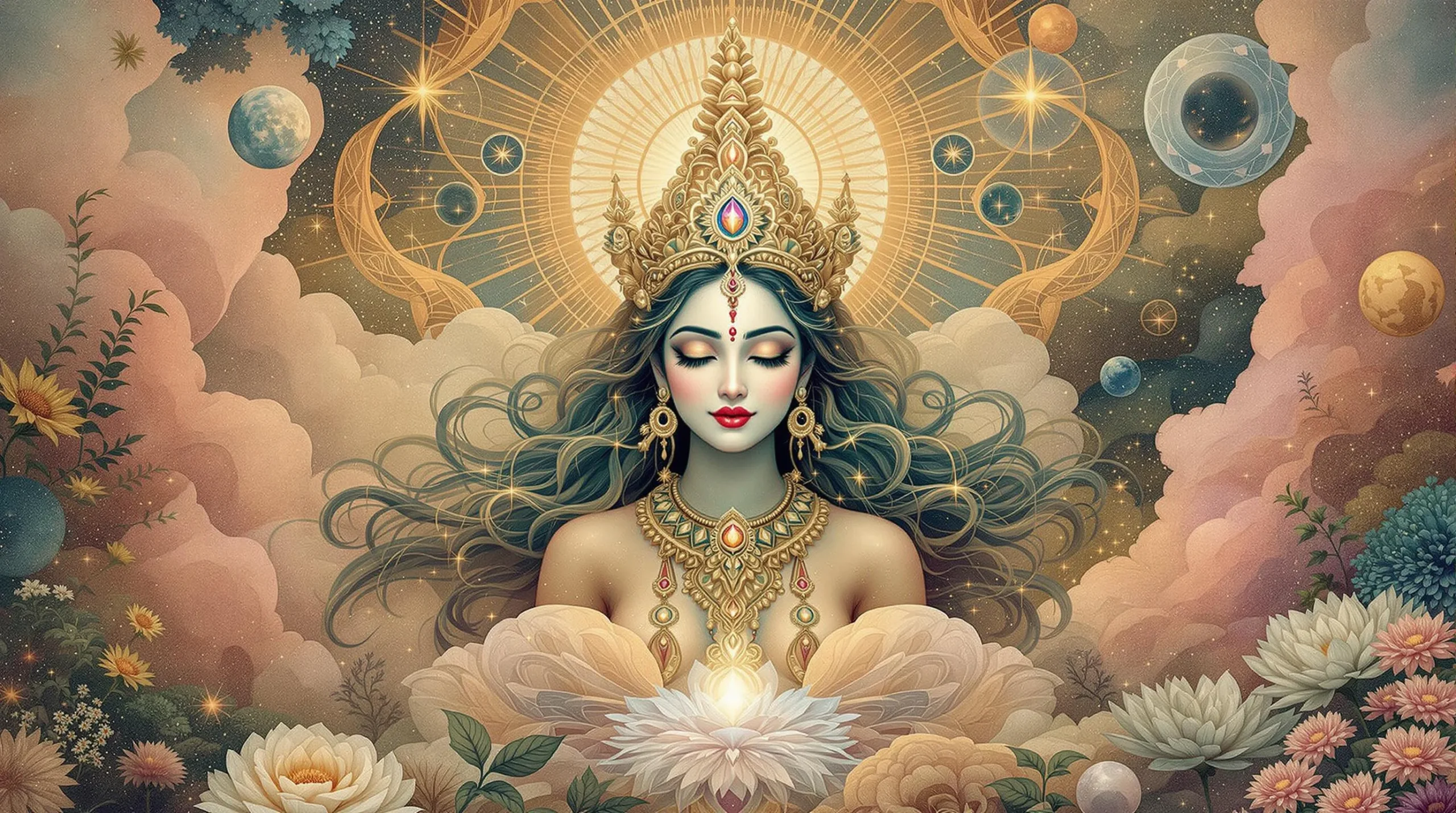
The iconography of Lakshmi is a map for this integrated prosperity. Her four hands may represent the four interconnected goals of a well-lived human life: dharma (righteous living), artha (meaningful wealth), kama (authentic desire), and moksha (spiritual liberation). She reminds you that these are not separate pursuits. The lotus she rests upon signifies a kind of engaged detachment: being fully in the world but not sullied by its frantic greed. Her chosen vehicle, the owl, sees with clarity in the darkness, a potent metaphor for the wisdom required to navigate the illusions and anxieties surrounding wealth and security.