 Believe
 Fear
Fear Strength
 Weakness
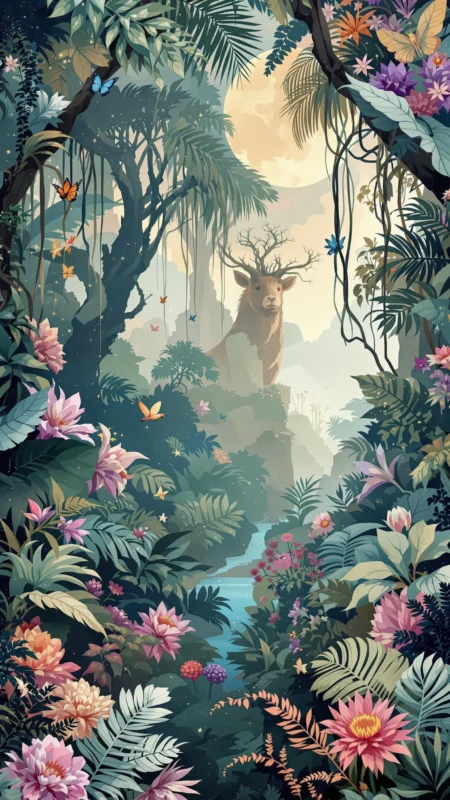
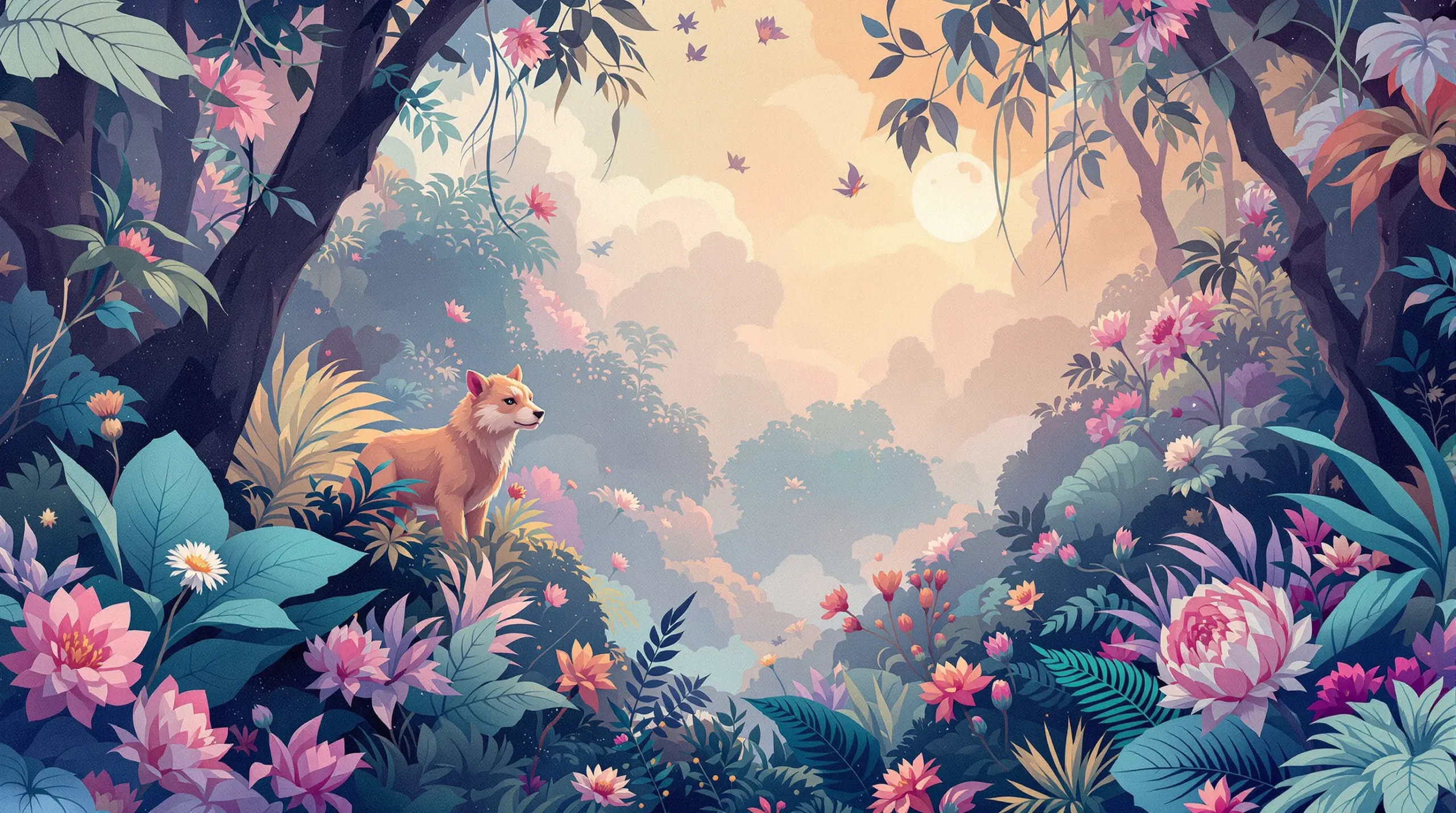
The Jungle, as an internal landscape, may symbolize the unmanaged wilderness of the subconscious mind. It is everything within you that has not been cultivated, paved over, or neatly categorized. It is the place of primal instincts, teeming with vibrant and sometimes terrifying life: old memories like ancient trees, fleeting desires like jewel-toned birds, and deep-seated fears like predators hidden in the shadows. To have the Jungle in your mythos is to acknowledge this inner wildness, to understand that your psyche is not a tidy garden but a self-regulating ecosystem, where even the decay of old selves fertilizes new growth. It suggests a comfort with the parts of yourself that are complex, contradictory, and untamable.
Furthermore, the Jungle could represent overwhelming complexity, the feeling of being immersed in a situation so dense with information and stimuli that the rational mind gives up. In this context, it is not a problem to be solved but an environment to be surrendered to. It is the chaos of a new creative project, the tangled web of a new relationship, the cacophony of a life in transition. This archetype teaches a different kind of knowledge: not the clarity of the map, but the wisdom of the senses. It is about learning to navigate by the humidity on your skin, the sound of a snapping twig, the instinct that tells you which way the river flows, even when you cannot see it.
This archetype also speaks to a profound, almost frightening fertility. It is the place where life erupts with unstoppable force, indifferent to human plans. In a personal narrative, this could manifest as periods of immense creativity, sudden transformations, or the overwhelming arrival of new responsibilities and relationships. The Jungle is the power of the life force itself, messy and amoral, that pushes through the cracks in your carefully constructed world. It is a reminder that growth is often not gentle or predictable but a chaotic, competitive, and ultimately miraculous struggle for the light.