Believe
 Fear
Fear Strength
 Weakness
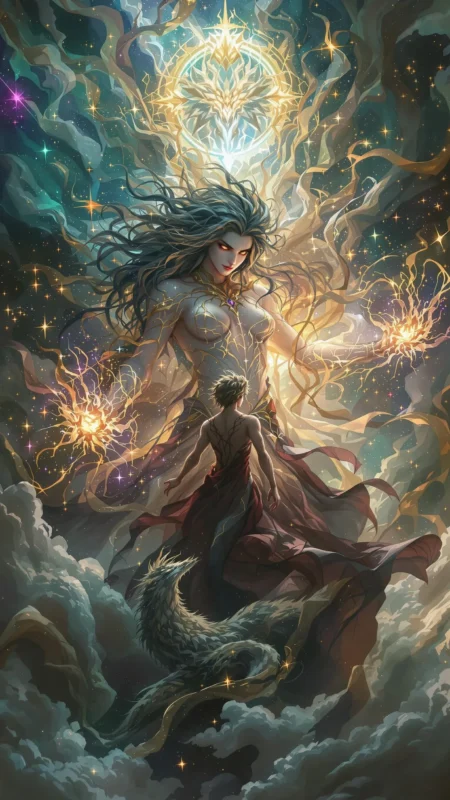
To invite the Jasper Hale archetype into one's personal mythology is to court the poetry of the tamed monster. He is a symbol of profound inner conflict, the eternal battle between instinct and intellect, past and present, violence and peace. He does not represent the eradication of the monster within, but its careful, disciplined management. His stillness is not emptiness: it is a container for immense power, a dam holding back a reservoir of chaotic energy. This archetype suggests that maturity is not about vanquishing one's demons, but learning to live with them gracefully, to make them quiet companions rather than raging masters.
He is also the embodiment of redemptive love. His transformation from a feral soldier to a controlled guardian is not achieved in isolation but is catalyzed by and sustained for another. This speaks to a mythology where purpose, and therefore self-control, is often found in devotion to something outside the self: a person, a family, a cause. The love he receives is not blind; it sees the monster and the man, acknowledging the whole. This suggests that belonging is not about presenting a perfected self, but finding those who are unafraid of your scars, who can stand in the quiet presence of your contained chaos.
Ultimately, Jasper symbolizes the weight and grace of survival. His scars are not a source of shame but a chronicle of battles won, a physical manifestation of a psychological history. In a personal mythos, he reframes trauma not as a defining point of breakage, but as the brutal forge that creates a unique and resilient strength. He suggests that the most compelling people are not those who have never been broken, but those who have put themselves back together with intention, whose every calm moment is a testament to the war they hold at bay.