 Believe
 Fear
Fear Strength
 Weakness
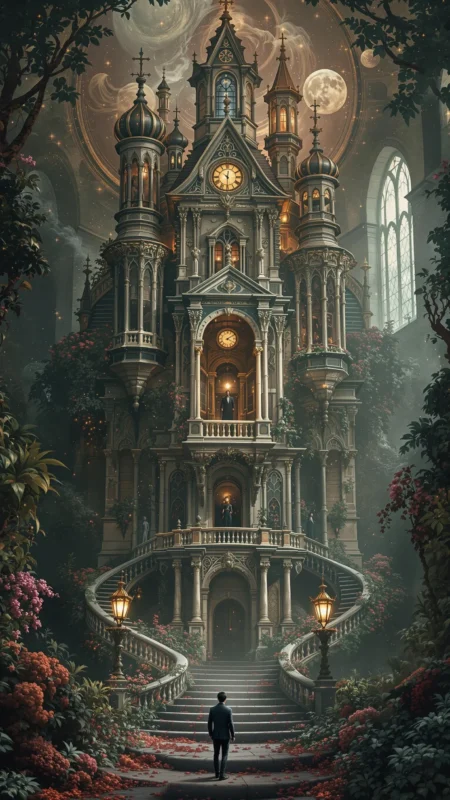
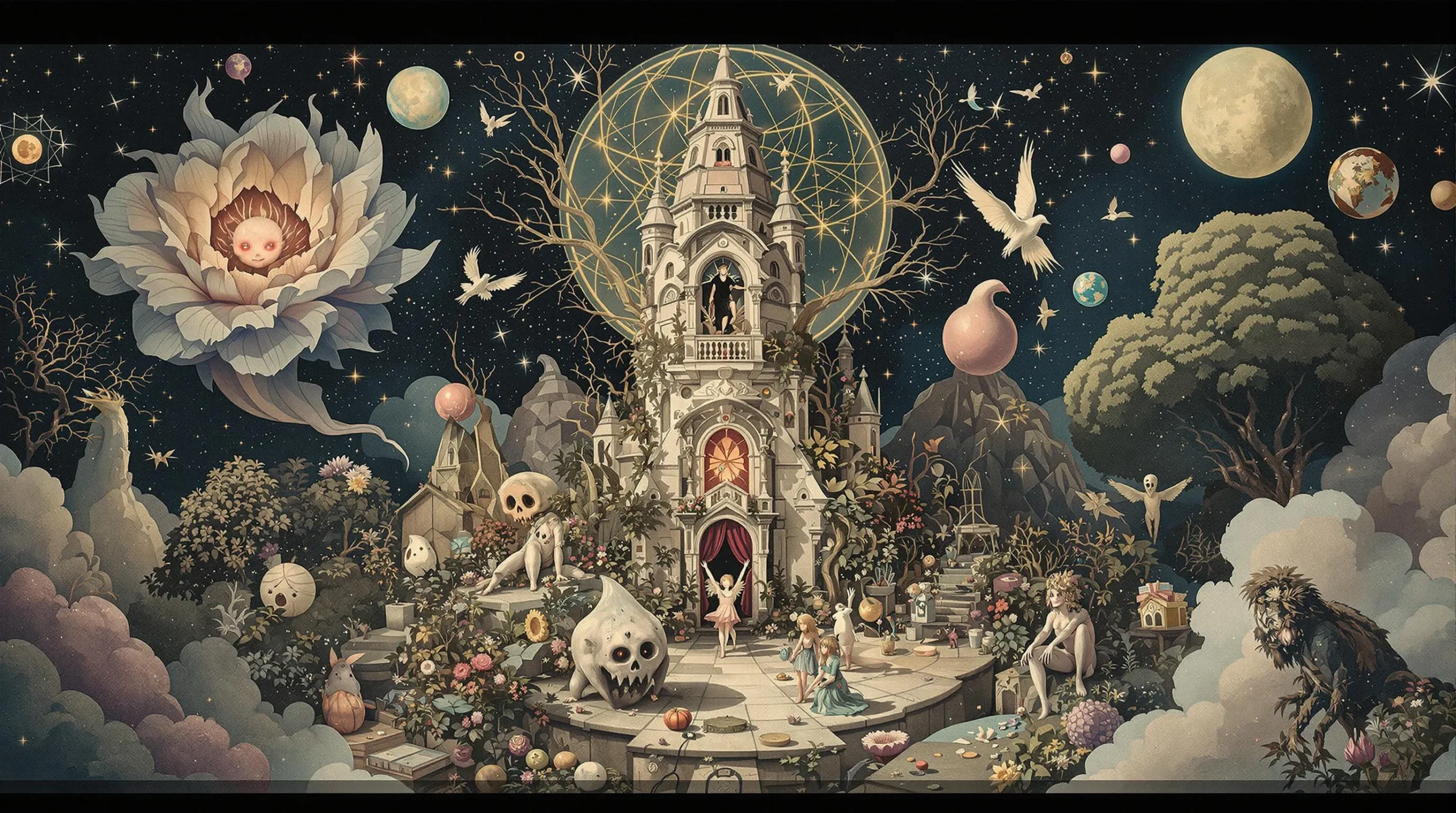
The Haunted Attic, in the personal mythos, is the landscape of the higher mind, the cerebrum, but a version that has become a repository for the past rather than a workshop for the future. It is the part of the self that we have, quite literally, risen above in our daily lives, yet it looms over us, its contents influencing the atmosphere of the rooms we live in. Its symbolism is not about a poltergeist in a nightgown, but about the way memory, trauma, and ancestral baggage can become active agents in our consciousness. The dust is not just dust; it is a film of neglect over our own history. The cold spots are not paranormal phenomena; they are pockets of unresolved emotion that can still chill us to the bone.
To have a Haunted Attic in your personal mythology means you perceive a partition between your functioning, present-day self and a vast, cluttered storage space of who you once were, what was done to you, and what was left unfinished. This archetype speaks to a life lived with a constant, low-grade awareness of this upper chamber. You may feel its weight on rainy days or hear its floorboards creak when the house of your life settles at night. The central meaning is one of integration: the attic is not a space to be condemned or feared, but a library to be cataloged. The haunting only persists as long as the contents remain unexamined, shrouded in shadow and assumption.
The journey associated with the Haunted Attic is one of ascent. It requires courage to find the pull-string for the stairs, to climb into the dim light, and to begin the slow work of sorting. Each object—a memory, a learned behavior, an inherited belief—must be held and regarded. What is this? Why did I keep it? Does it still serve me? This process transforms the space from a source of anxiety into a museum of the self, a place of profound wisdom. The haunting ceases not when the ghosts are exorcised, but when they are recognized, named, and understood as vital, if dusty, parts of one's own story.