 Believe
 Fear
Fear Strength
 Weakness
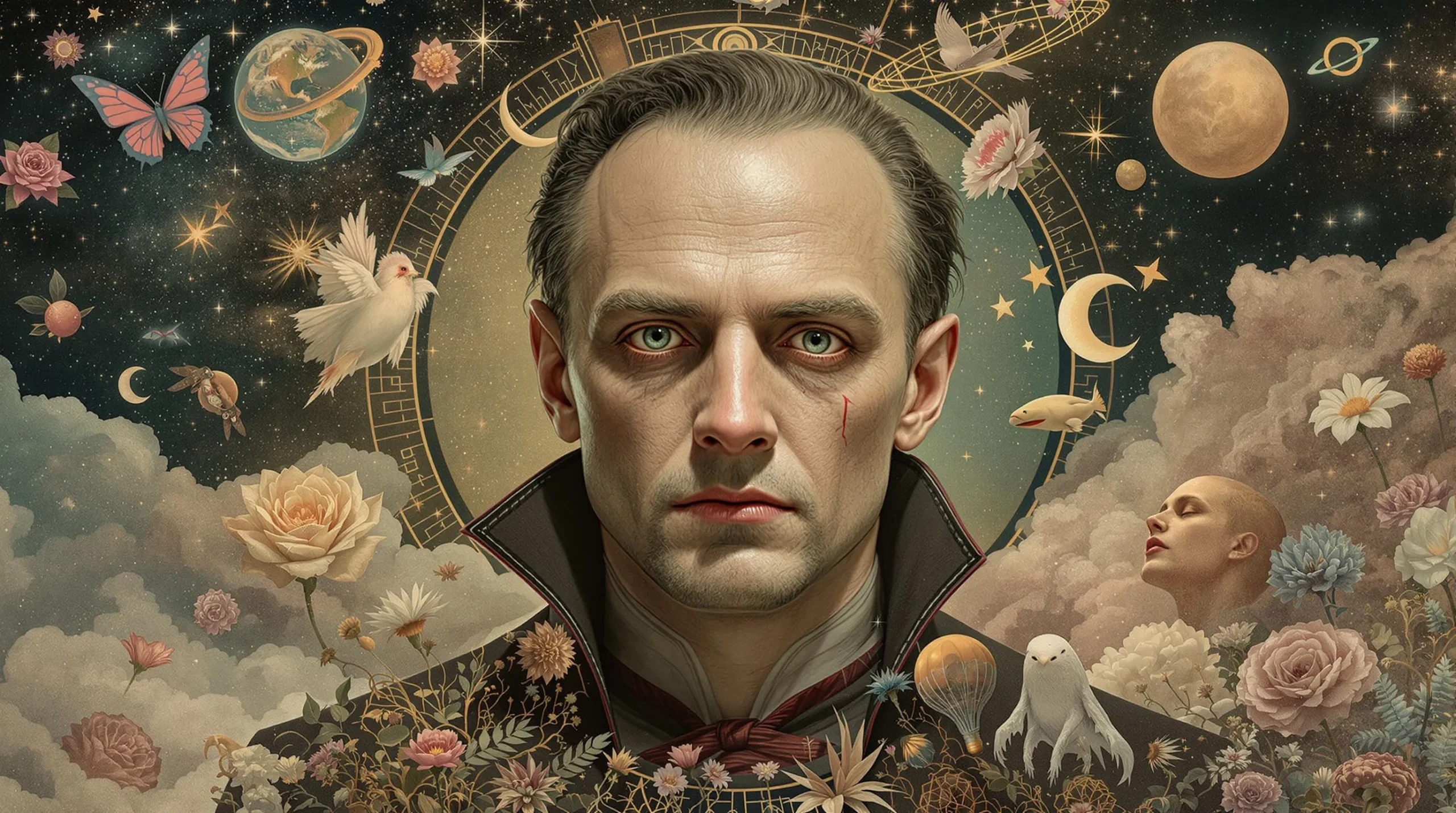
The Hannibal Lecter archetype is a monument to the failure of civility. He is the beast that knows Bach, the monster in the bespoke suit, a walking, talking paradox that holds a mirror to society's own veneer. He suggests that politeness, education, and culture are not a cure for the primitive darkness within, but perhaps merely a more beautiful mask for it. In our personal mythology, he could symbolize the terrifying and alluring potential that lies dormant beneath our own conditioned responses. He is the ultimate expression of the individual will, untethered from the collective morality that he deems hypocritical and, worse, tasteless.
He is also the high priest of insight. His power comes not from brute force, but from seeing. He sees the truth behind the eyes of Clarice Starling, the fear behind the bluster of Dr. Chilton. To resonate with this archetype could be to crave that same clarity of vision, to wish to cut through the fat of social interaction and get to the marrow of true motive. This is the appeal of the ultimate analyst, the one who is never fooled. It is a desire for a kind of intellectual invulnerability, a mastery over the psychological realm that others navigate so blindly.
Ultimately, Lecter may represent a form of contained chaos. He is not a rampaging monster; he is a precise and patient one, operating by his own baroque code of ethics. In a world that often feels random and unjust, his brand of justice—punishing the “rude,” the “incompetent”—can feel like a seductive form of order. He symbolizes the fantasy of a world made sensible through a superior intelligence, where the messy, frustrating realities of human interaction are replaced by the clean, cold logic of the predator.