Believe
 Fear
Fear Strength
 Weakness
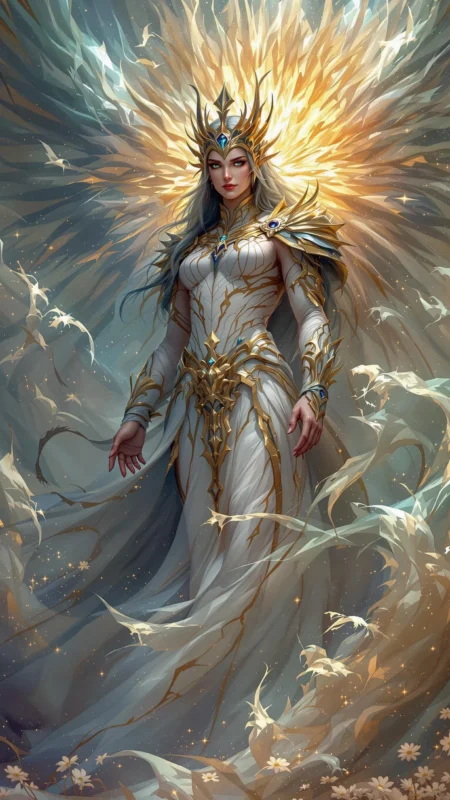
To find the Guardian archetype active in your personal mythology is to understand that your life story may be written in the language of thresholds. You are the gate, the wall, the harbor wall against the tide. This role might be chosen, a conscious dedication to protecting an ideal, a family, or a community. Or it could be a mantle thrust upon you by circumstance: the eldest child in a chaotic home, the only stable person in a fragile relationship, the keeper of a painful secret. The Guardian's purpose is found not in conquest or discovery, but in endurance. Your great deeds may not be sung in taverns, but they are felt in the deep, quiet sleep of those who feel safe in your shadow.
The symbolism here is one of profound rootedness. While other archetypes wander, seek, or create, the Guardian stays. This stillness is its power. It may mean guarding a physical place, making a house a home, a sanctuary. It could mean guarding a legacy, becoming the living memory and conscience of a family or a cause. Or perhaps you guard something more fragile: another person's potential, their innocence, their chance to heal. The weight of this can be immense, a gravity that shapes your every decision, but it also offers a rare and powerful form of meaning: to be the reason something precious endures in a transient world.
In a modern context, the Guardian archetype often contends with a culture that prizes mobility and reinvention. To be a Guardian is to embrace a kind of anti-modernity, to find value in constancy. Your mythos may not be about “becoming” but about “being.” It challenges the narrative of endless self-improvement, suggesting instead that the self is forged and proven in the act of steadfastly holding one's ground. The world may change, storms may rage, but the Guardian remains, a testament to the power of loyalty and the sacred duty of care.