 Believe
 Fear
Fear Strength
 Weakness
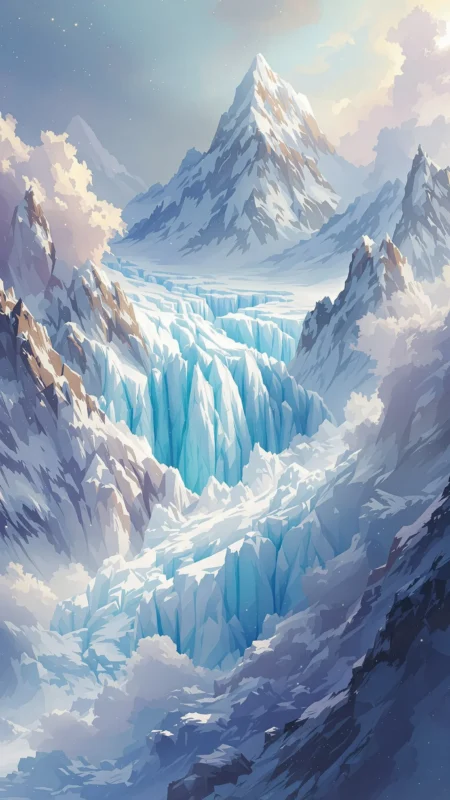
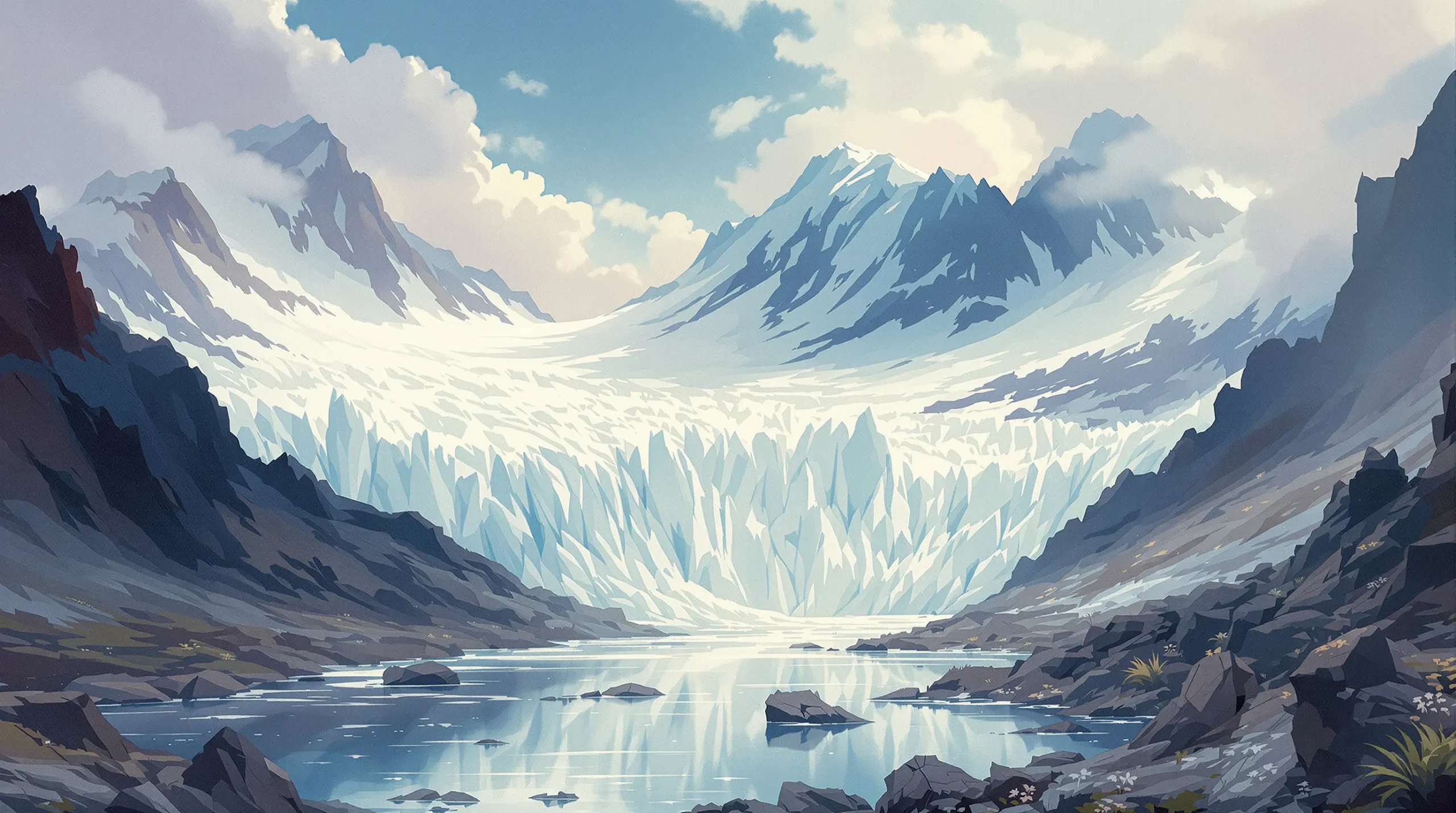
To embody the Glacier in one's personal mythos is to align with the rhythms of deep time. You may see your own life not as a brief, flickering candle but as a slow, geological event. The memories, joys, and wounds of the past are not simply gone: they are compressed into the deep ice of your being, forming the very substance of who you are. This perspective suggests that your character is built from layers of accumulated experience, and that the oldest, deepest parts of you hold the most weight and power. It is an understanding that what you are now is a product of a long, slow journey over a landscape that is constantly being shaped by your presence.
The archetype also speaks to the profound power of patient, persistent force. In a culture that idolizes speed, disruption, and overnight success, the Glacier offers a radical alternative: the power of the slow and steady. It suggests that the most significant changes, both internally and externally, may not come from violent effort but from the relentless application of gentle, heavy pressure over a vast expanse of time. One might learn to solve problems not by shattering them, but by slowly, inexorably grinding them into dust and carrying them away. This is the strength of the inevitable, the victory that comes not from a single battle but from an unstoppable advance.
Furthermore, the Glacier may symbolize a profound difference between one's inner world and outer presentation. On the surface, it is silent, still, perhaps even cold and remote. Beneath, however, it is a place of immense pressure, hidden movement, and deep, grinding transformation. For an individual, this could mean possessing a vast and turbulent inner life that is masked by a stoic, reserved demeanor. It points to a personality that does not readily reveal its depths, a soul whose power is contained and whose true nature can only be understood by appreciating the immense weight and history it carries unseen.