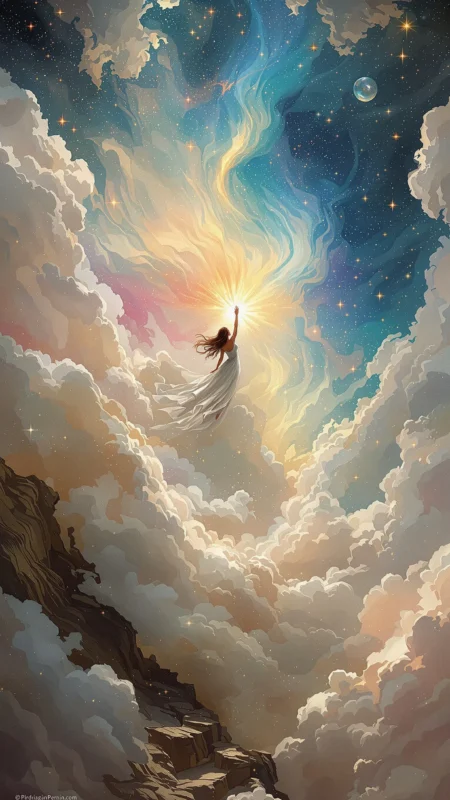
Believe
 Fear
Fear Strength
 Weakness
In personal mythology, the Getting Fired archetype is a modern iteration of the ancient expulsion myth. It is being cast out of the garden: the Eden of a steady paycheck, a familiar community, and a defined role. The serpent, in this telling, might be a quarterly earnings report, a change in management, or the quiet obsolescence of one's own skills. This event marks a definitive end to a state of perceived stability, thrusting the individual from a cultivated landscape into the wilderness. It’s a fall from a particular grace, and the narrative journey that follows is the soul’s attempt to understand the nature of that fall. Was it a punishment, a liberation, or perhaps both at once? The story one tells about this expulsion comes to define the very shape of their resilience.
The archetype also functions as a necessary death and rebirth. The professional self, often meticulously constructed over years, must die. It is a public death, witnessed by colleagues and LinkedIn connections, which adds a layer of shame and urgency to the experience. Yet, like a forest after a fire, this clearing of the old growth may be the only way for new life to emerge. The symbolism is not just in the loss, but in the fertile emptiness that follows. It is a forced fallow season, compelling the individual to discover what seeds lie dormant within them, seeds that had no light to grow in the shadow of the old, great tree. Your mythos may gain a powerful chapter about rising from the ashes, not as the same person, but as someone forged in the quiet kiln of unemployment.
Furthermore, Getting Fired acts as a powerful confrontation with the social contract. It could be a profound lesson in the transactional nature of modern belonging. Loyalty, hard work, and dedication are revealed to be no guarantee of security. This encounter can dismantle a naive belief in meritocracy and replace it with a more complex, sometimes cynical, understanding of power and systems. For the personal mythos, this is the moment the hero learns the gods are capricious. This wisdom, though bitter, is powerful. It might lead to the creation of a new personal code, one based on self-sovereignty, diversified identity, and a deeper allegiance to one’s own path than to any external institution.