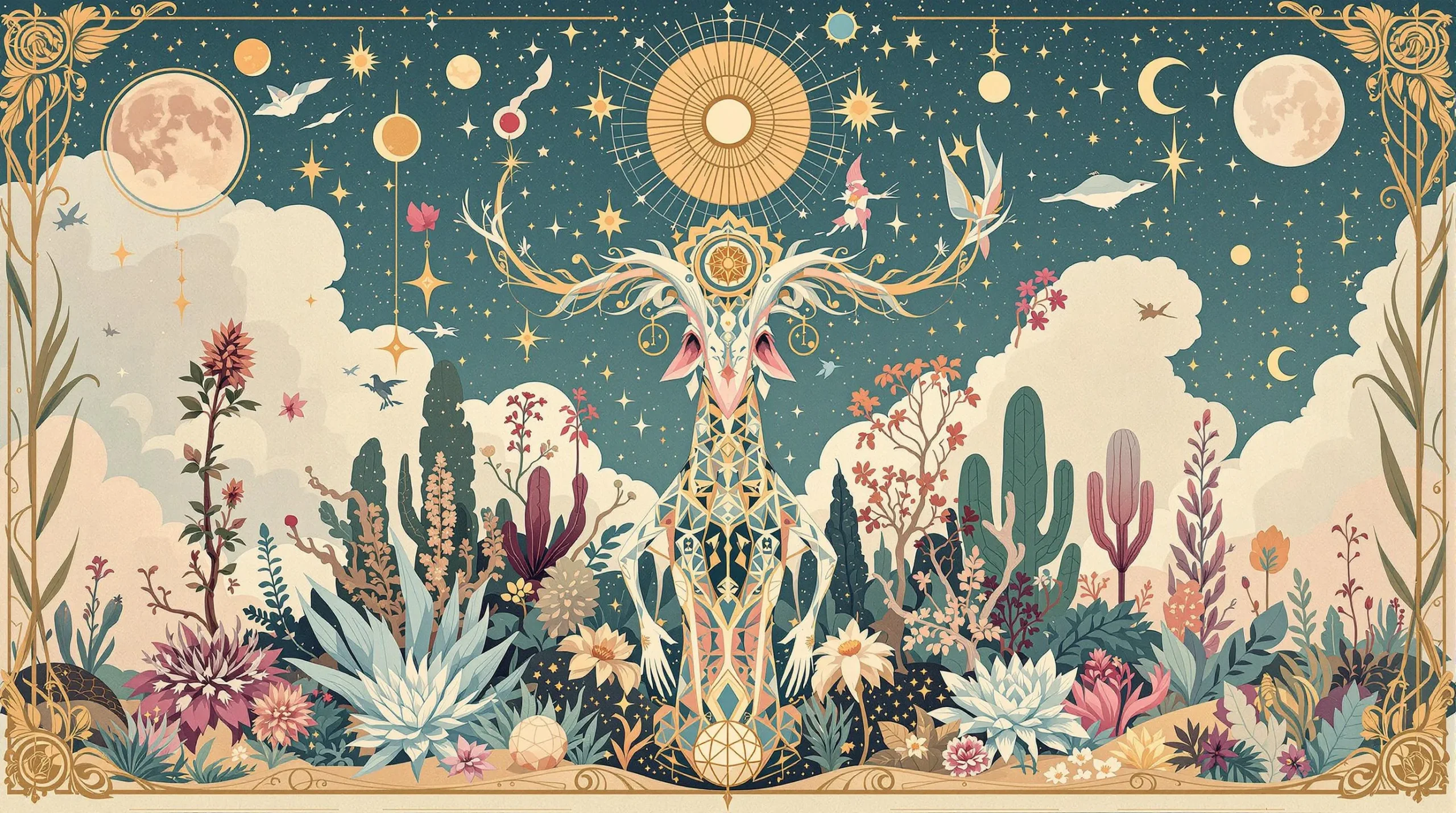


Garden Hoe

Archetype Meaning & Symbolism

disruptive, cultivating, foundational, diligent, pragmatic, unearthing, sharp, patient, cyclical, relentless

  • Break the surface. The real work is underneath.

If Garden Hoe is part of your personal mythology, you may...

Believe

  • You may believe that all growth requires some form of disruption; that comfort and progress are often mutually exclusive.
  • You may believe that the most vital work is often the least glamorous, done quietly and without an audience.
  • You may believe that potential is inert and meaningless until it is acted upon with deliberate, sustained effort.

Fear

  • You may fear that some ground—in yourself or in the world—is simply too hard and barren to ever be broken.
  • You may fear becoming useless: your blade growing dull, your handle rotting, left to rust in a corner through inaction.
  • You may fear that despite all your effort, the weeds will ultimately grow faster than you can pull them.

Strength

  • An unyielding persistence that allows you to tackle tedious, difficult, or lengthy tasks that would deter others.
  • A profoundly practical and grounded approach to solving problems, cutting through abstraction to find a workable solution.
  • The capacity to clear the way for new things, whether by ending what is finished or preparing the ground for what is to come.

Weakness

  • A tendency toward bluntness, using force where finesse is required, and inadvertently harming delicate situations or fledgling ideas.
  • An over-reliance on sheer effort, potentially causing you to miss more elegant, subtle, or restful solutions to a problem.
  • A compulsive need to always be fixing and improving, making it difficult for you to simply let things be and appreciate the beauty of the untamed.

The Symbolism & Meaning of Garden Hoe

The Garden Hoe is an archetype of pragmatic transformation. It does not speak of lightning-bolt epiphanies or heroic, world-saving quests. Its mythology is etched in the cycles of labor, decay, and regrowth. To have the Garden Hoe in your personal mythos is to understand that change is a verb, an action, often a repetitive one. It symbolizes a belief in betterment through effort, a faith that even the most compacted, fallow ground of one's life can be made fertile again through deliberate, forceful intervention. It is the patron saint of rolling up one's sleeves. Its presence suggests a life story built not on what one is, but on what one does to cultivate the self.

Its symbolism is profoundly connected to the earth of the psyche. The hoe is the tool that mediates between the surface self and the subconscious depths. It is the sharp edge of conscious will, breaking into the packed soil of habit and history. It unearths what is hidden: the gnarled roots of past traumas, the sleeping seeds of future potential, the pale worms of unexamined fears. The hoe makes no judgment. It simply turns everything over, exposing it to the light. It embodies the uncomfortable truth that to create a space for new life, one must first disrupt the old order.

In a modern context, where so much effort is abstract and digital, the Garden Hoe archetype recalls a tangible connection to consequence. Its meaning is tied to a certain kind of wisdom: the knowledge that some problems cannot be thought or talked away but must be physically worked through. It represents the power in simple, repeated actions. It is the choice to show up, day after day, to tend the garden of one's own being, to pull the weeds, to turn the soil, and to trust that this patient, unglamorous labor is the truest path to a harvest.


Garden Hoe Relationships With Other Archetypes

The Seed

The Garden Hoe is the formidable guardian and reluctant partner of The Seed. The hoe does the violent, disruptive work that the fragile seed cannot. It breaks the hardpan, it severs the roots of choking weeds, creating a dark, hospitable wound in the earth where potential can be safely placed. The hoe's work is all preparation; it cannot, itself, grow anything. The relationship is one of tough love and necessity. One provides the forceful clearing, the other holds the silent, explosive promise of life. Within a personal mythos, this may represent the dynamic between one’s capacity for discipline and hard choices (The Hoe) and one's creative, vulnerable ideas (The Seed).

The Rain

The relationship with The Rain archetype is one of critical dependence and potential frustration. The hoe’s work is made possible by the right amount of rain: a gentle shower softens the ground, making the hoe’s blade effective and the work productive. However, a drought can render the ground impenetrable, making the hoe’s efforts futile and exhausting, a chipping away at concrete. Conversely, a deluge turns the soil to useless mud, where the hoe’s work becomes a messy, chaotic struggle. This relationship might symbolize how one’s emotional climate (The Rain) affects their ability to perform the work of self-cultivation. The wisest wielder of the hoe learns to work with the weather of their own soul.

The Fence

The Garden Hoe operates within the domain defined by The Fence. The Fence archetype provides structure, boundary, and protection; it dictates which patch of earth is to be cultivated and which is to be left wild. The hoe does not question these limits. Its purpose is to work the soil inside the perimeter. This partnership represents the interplay between boundless effort and necessary constraint. In a personal narrative, The Fence could be one's values, ethical codes, or life commitments. The hoe is the energy and action one applies within that chosen framework, finding freedom and purpose not in limitless space, but in the focused cultivation of a defined plot.

Using Garden Hoe in Every Day Life

Addressing Ingrained Habits

When a personal habit has become a stubborn, deep-rooted weed in the garden of the self, the Garden Hoe archetype provides a model for its removal. It is not about gentle coaxing but about direct, forceful action. This may look like identifying the habit’s root system: the triggers, the emotional payoffs. The hoe’s sharp edge is the decision to sever those connections, to chop away the justifications. It is the work of turning over the soil of your daily routine, exposing the habit to the air and sun, letting it wither by creating a new, healthier environment where it cannot thrive.

Preparing for a New Endeavor

Before planting the seed of a new project, a new career, or a new life chapter, the ground must be prepared. The Garden Hoe archetype guides this process of clearing. It is the mental and emotional work of turning over old failures, aerating compacted beliefs, and removing the debris of past expectations. This could be the act of making lists, of journaling, of having difficult conversations to create closure. It is the conscious, sometimes arduous, preparation that ensures the new seed doesn't land on rocky, unreceptive ground, giving your future a greater chance of taking root.

Navigating Difficult Conversations

Some relational truths lie packed down, unspoken, beneath the surface of daily interaction. The Garden Hoe archetype suggests a method for bringing them to light. It is the courage to be the one to break the hard soil of silence. Wielding this archetype means approaching a difficult topic with focused intent: not to slash and destroy, but to turn the issue over, to expose all its sides to the light for examination. It is a tool for aeration in a stale dynamic, creating the space for nutrients, for understanding and resolution, to finally penetrate the relationship.

Garden Hoe is Known For

Breaking Ground

It represents the initial, often difficult, act of starting something new. It is the force required to pierce the untouched surface of a project, a conversation, or a personal change.

Uprooting Weeds

It is known for the relentless and necessary task of identifying and removing negative influences, be they bad habits, toxic relationships, or unproductive beliefs that choke potential.

Cultivating Soil

Beyond mere removal, it is a tool for aeration and preparation. It churns and softens the compacted earth of one’s psyche, allowing for new ideas, new perspectives, and new growth to breathe and flourish.

How Garden Hoe Might Affect Your Personal Mythology

How Garden Hoe Might Affect Your Mythos

When the Garden Hoe is a central object in your personal mythos, your life story is likely not a tale of destiny but one of deliberate cultivation. You may view your own past not as a fixed narrative but as fallow ground, a field to be turned over, its nutrients recycled to feed a new present. Your defining moments may not be grand arrivals but quiet, effortful departures from old ways of being. Your myth is one of pragmatic magic, the alchemy of turning stubborn soil into a place of nourishment through sheer, repetitive will. You are the tiller, the groundskeeper of your own becoming.

Your narrative arc might follow the seasons of a garden. There are periods of intense, ground-breaking labor, of clearing away the debris of a past life chapter. There are times of patient weeding, of managing the small, persistent annoyances that threaten to choke your growth. Then come the seasons of quiet waiting, trusting the work that has been done. Your personal mythology sanctifies the mundane, finding heroism in the discipline of showing up, finding meaning in the slow, cyclical transformation of the landscape of your own soul.

How Garden Hoe Might Affect Your Sense of Self

Your view of self may be rooted in capability rather than identity. Who you are is secondary to what you can do, what you can tend to, what you can fix. You might see your own personality and character not as a static monument, but as a garden that requires constant, active management. Flaws are not damning indictments but are simply weeds, requiring a practical strategy for removal. Strengths are not gifts, but are well-tended crops that resulted from past labors. This perspective can lend a powerful sense of agency, a belief that the self is something you build, not something you find.

This can also foster a kind of unsentimental self-regard. You may be less prone to navel-gazing or prolonged bouts of self-pity, preferring instead to ask: what work needs to be done here? This pragmatism can create a resilient, sturdy sense of self, one that is not easily shattered by criticism or failure. However, it may also create a distance from the more spontaneous, wild, or playful aspects of your being, viewing them as untamed sections of the garden that need to be brought under control.

How Garden Hoe Might Affect Your Beliefs About The World

Your worldview could be profoundly practical, grounded in the law of cause and effect. You may believe that the state of the world, like the state of a garden, is the direct result of the work that has—or has not—been put into it. This fosters a perspective that is both hopeful and demanding. Hopeful, because it implies that any problem can be addressed with the right application of effort. Demanding, because it leaves little room for excuses or cosmic injustice. You might see societal problems not as intractable monsters, but as overgrown fields needing a community of determined gardeners.

This perspective may lead you to value action over rhetoric, and tangible results over grand ideals. You might be skeptical of ideologies that promise effortless transformation, believing deeply that anything worthwhile must be built from the ground up, with dirt under the fingernails. The world, in your eyes, is not a stage for drama but a plot of land assigned to humanity. Its future depends entirely on our willingness to pick up our tools and tend to it.

How Garden Hoe Might Affect Your Relationships

In relationships, you may be the one who does the necessary, if sometimes uncomfortable, work of maintenance. You are the partner who insists on talking through the conflict, the friend who points out the self-destructive pattern, the family member who clears the air after a long silence. Your expression of love might be fundamentally practical: acts of service, fixing what is broken, and creating a stable, healthy environment for the relationship to grow. You show you care by pulling the weeds.

This can make you an incredibly reliable and trustworthy partner, a true cultivator of connection. However, the shadow of this approach is a potential lack of gentleness. Your focus on 'weeding' may sometimes feel like criticism to a sensitive partner. You might mistake a wildflower—a quirk or vulnerability in another—for a weed that needs to be removed. Learning to distinguish between what needs fixing and what needs accepting is a key challenge for the Garden Hoe archetype in love.

How Garden Hoe Might Affect Your Role in Life

You may unconsciously adopt the role of the 'Groundskeeper' in your family, social circles, or workplace. You are the one who prepares the way for others' success, who does the foundational, often invisible, labor that allows the 'flowers'—the charismatic leaders, the brilliant creatives—to bloom. This role is essential but rarely celebrated. You are the one who cleans up the mess, organizes the chaos, and turns a dysfunctional environment into a productive one. You bring order from the soil up.

This role can be a source of profound, quiet satisfaction. You know your own value and see it reflected in the health of the system around you. The danger, however, is becoming resentful of being perpetually behind the scenes. You may feel that your labor is taken for granted, that you are seen merely as a functionary rather than a vital force. The journey for you may involve learning to value your own work, even when it is unacknowledged, and perhaps, learning when it is time to tend your own garden first.

Dream Interpretation of Garden Hoe

In a positive dream context, the appearance of a Garden Hoe could signal a readiness for profound personal change. To dream of effortlessly turning rich, dark soil with a sturdy hoe suggests that you have the psychic energy and the will to confront long-standing issues. It is a symbol of empowerment, indicating you are prepared to do the work of uprooting old habits and beliefs to plant something new. Seeing a hoe resting by a flourishing garden might represent a state of integration and peace: a recognition of the hard work you've done and an ability to now enjoy its fruits.

In a negative light, a dream of a Garden Hoe can symbolize struggle and futility. If the hoe is broken, rusted, or its blade is dull, it may reflect feelings of inadequacy or being ill-equipped to handle life's challenges. Dreaming of striking a hoe against ground that is as hard as rock or concrete could point to a deep-seated internal resistance to change, or an external situation that feels hopelessly intractable. It can be a symbol of burnout, of performing exhausting labor with no visible result, a warning from the subconscious that your current approach is depleting you.

How Garden Hoe Archetype Might Affect Your Needs

How Garden Hoe Might Affect Your Physiological Needs

The Garden Hoe archetype anchors your mythos in the physiological. It asserts that the body is the soil from which the mind and spirit grow. Therefore, your fundamental needs—food, water, shelter, sleep—are not inconveniences to be managed but sacred ground to be tended. You may find that your well-being is directly tied to the quality of your physical life. A belief in 'good, honest work' might translate into a need for physical exertion, a way to churn the body's energies and prevent stagnation. This is a mythos that honors the body not for its appearance, but for its capacity for labor and resilience.

This connection to the earth and cultivation may lead to a focus on whole foods, on knowing where your sustenance comes from, seeing eating as a way of incorporating the strength of the earth into yourself. Rest is not laziness; it is allowing the field to lie fallow to regain its nutrients. This archetype rejects the mind-body split, insisting that a neglected body cannot possibly support a thriving spirit. Your physiological health is the bedrock of your entire personal ecosystem.

How Garden Hoe Might Affect Your Ideas of Belonging

Belonging, through the lens of the Garden Hoe, is earned via contribution. You find your place within a group—a family, a community, a partnership—by being useful, by doing your part in tending the shared garden. Love and affection are demonstrated and felt through acts of service and shared labor. Your bond with others is forged in the trenches, in the mutual effort of building something together, be it a home, a project, or a life. You belong because you are needed, because your work matters to the whole.

This can lead to incredibly strong, resilient bonds built on mutual respect and reliability. You are drawn to people who are also willing to roll up their sleeves. The potential challenge is a transactional view of love. You might struggle to feel a sense of belonging if you feel you are not contributing enough, or feel resentment if others are not pulling their weight. You may need to learn that sometimes, belonging is simply about being, not just doing.

How Garden Hoe Might Affect Your Feelings of Safety

For the Garden Hoe archetype, safety is not a fortress wall, but a well-tended field. Security is found in self-sufficiency, preparation, and the knowledge that you can provide for yourself through diligent effort. Your sense of safety may be deeply connected to your competence. The ability to identify a problem (a weed), and having the tool and skill to remove it, creates a profound feeling of being secure in the world. You feel safe not because threats don't exist, but because you are confident in your ability to manage them.

This need for safety manifests as planning, saving, and resource management. It is the foresight to store up for winter, to maintain your tools, to keep your life in good working order. Threats to safety are perceived as things that disrupt this order: unexpected chaos, laziness, or a loss of the ability to work. Safety is therefore an active state, a constant process of tending and maintaining the boundaries of your life, ensuring the harvest will be there when you need it.

How Garden Hoe Might Affect Your Views of Esteem

Esteem, in the world of the Garden Hoe, is a harvest. It is not granted by others, but grown from the soil of your own tangible accomplishments. Your self-worth is directly proportional to the results of your labor. Seeing a problem solved, a project completed, a garden flourishing because of your efforts—this is the source of deep, unshakable pride. You respect yourself for your persistence, your work ethic, and your ability to create order and fertility from chaos and neglect. Respect from others is valued most when it is for your competence and reliability.

This provides a very stable, internally-generated source of self-esteem. It is not dependent on fickle public opinion or fleeting praise. The danger is linking your entire self-worth to your productivity. During periods of mandatory rest, illness, or creative fallowness, you may experience a crisis of esteem, feeling worthless when you are not actively 'working.' The growth path involves learning to value the fallow seasons, understanding that even then, the soil of the self is quietly restoring its power.

Shadow of Garden Hoe

The shadow of the Garden Hoe emerges when cultivation curdles into destruction. In its shadow aspect, the tool no longer discerns between weed and flower. It becomes an instrument of indiscriminate clearing, ripping up the tender shoots of a new relationship alongside the toxic patterns of the old. This is the person who solves a conflict by burning the entire field, who 'cleans up' a messy project by canceling it entirely. The need to control the environment becomes absolute, leading to a sterile, barren landscape where nothing new is risked and nothing vulnerable is allowed to grow. It is pragmatism turned into a scorched-earth policy.

Another shadow emerges in the form of joyless, relentless toil. The work, once a means to a harvest, becomes the end in itself. The gardener never looks up from the soil to appreciate the sky or the budding flowers. Life becomes an endless checklist of weeds to pull, a grim duty devoid of satisfaction. This can lead to a profound burnout, a hollowing out of the self where the very soil of the soul becomes depleted and acidic from overwork and a lack of regenerative joy. The hoe, meant to be a tool of life, becomes a heavy burden, chaining its wielder to a patch of ground that never truly blossoms.

Pros & Cons of Garden Hoe in Your Mythology

Pros

  • You possess an exceptional ability to start over, to clear away the wreckage of the past and prepare fertile ground for new beginnings.
  • Your deep-seated work ethic and lack of fear toward necessary labor make you an incredibly reliable and effective force for positive change.
  • You have a powerful talent for identifying and methodically removing negative influences, creating healthier environments for yourself and others.

Cons

  • Your direct, tool-like approach can sometimes be perceived as harsh or unfeeling, potentially damaging delicate relationships or new, fragile ideas.
  • You may struggle with rest and spontaneity, as your mind is always scanning the horizon for the next problem to solve or weed to pull.
  • You risk being seen as lacking subtlety and nuance, applying forceful solutions to problems that might benefit more from patience or gentle acceptance.