 Believe
 Fear
Fear Strength
 Weakness
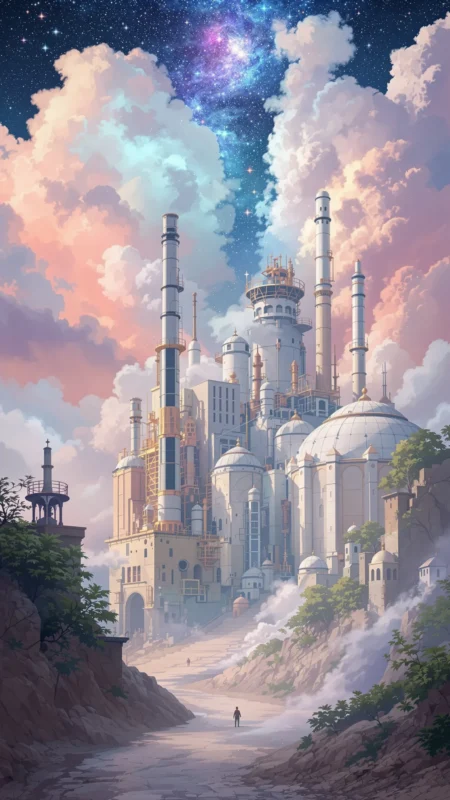
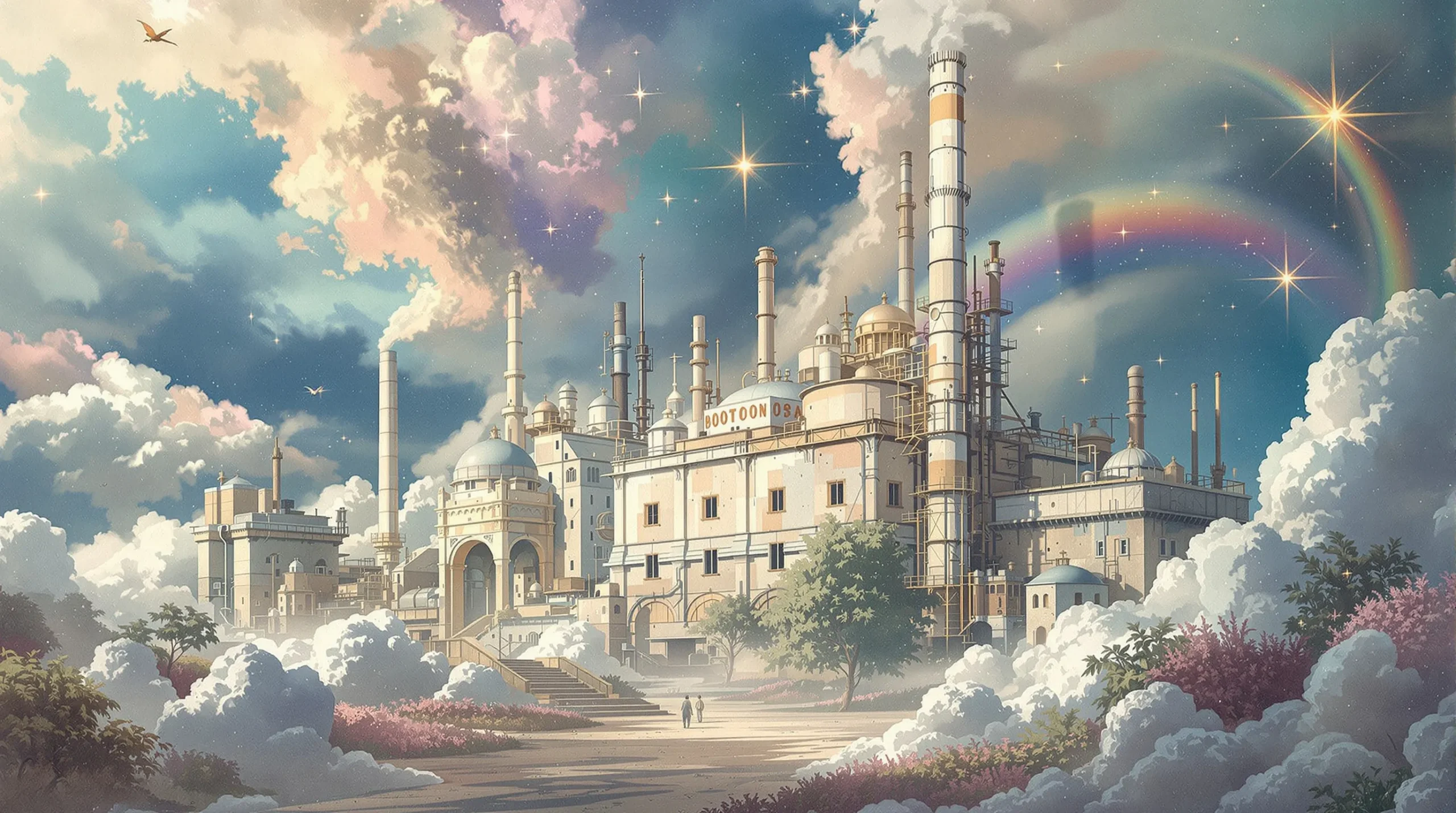
In the personal mythos, the Factory is the internal engine of creation. It symbolizes the part of the self that takes the unformed chaos of potential and imposes a structure upon it, churning out tangible results: a career, a body of work, a family, a life. It is the landscape of labor, the cathedral of process. To have the Factory in your mythos is to believe, on some fundamental level, in the power of the system. It suggests a psyche that finds security and meaning not in passive waiting or strokes of luck, but in the rhythmic, predictable hum of a well-oiled machine of your own design. It is the architectural manifestation of your ambition, a place where raw will is smelted into reality.
This archetype also speaks to a distinctly modern condition: the constant pressure to produce. The Factory within may whisper that your worth is directly proportional to your output. It measures life in units completed, milestones achieved, and efficiencies gained. This can be a profound source of power, allowing one to build empires from sheer diligence. Yet, it also carries the scent of smog, the echo of the stamping press that makes no distinction between a piece of metal and a piece of a soul. It’s the internal site where you transform your time and energy, but you must constantly ask what pollutants, what spiritual effluents, are being released in the process.
The Factory might also represent the systems we inherit: family dynamics, cultural expectations, corporate structures. We may find ourselves as workers in a factory not of our own making, our lives spent on an assembly line designed by others. The mythic journey then becomes one of sabotage, escape, or revolution. Perhaps the goal is to seize the means of production, to redesign the factory to produce something meaningful. Or maybe it is to simply walk out of its gates and into the wild, unstructured world beyond, learning to build something by hand, one imperfect piece at a time.