 Believe
 Fear
Fear Strength
 Weakness
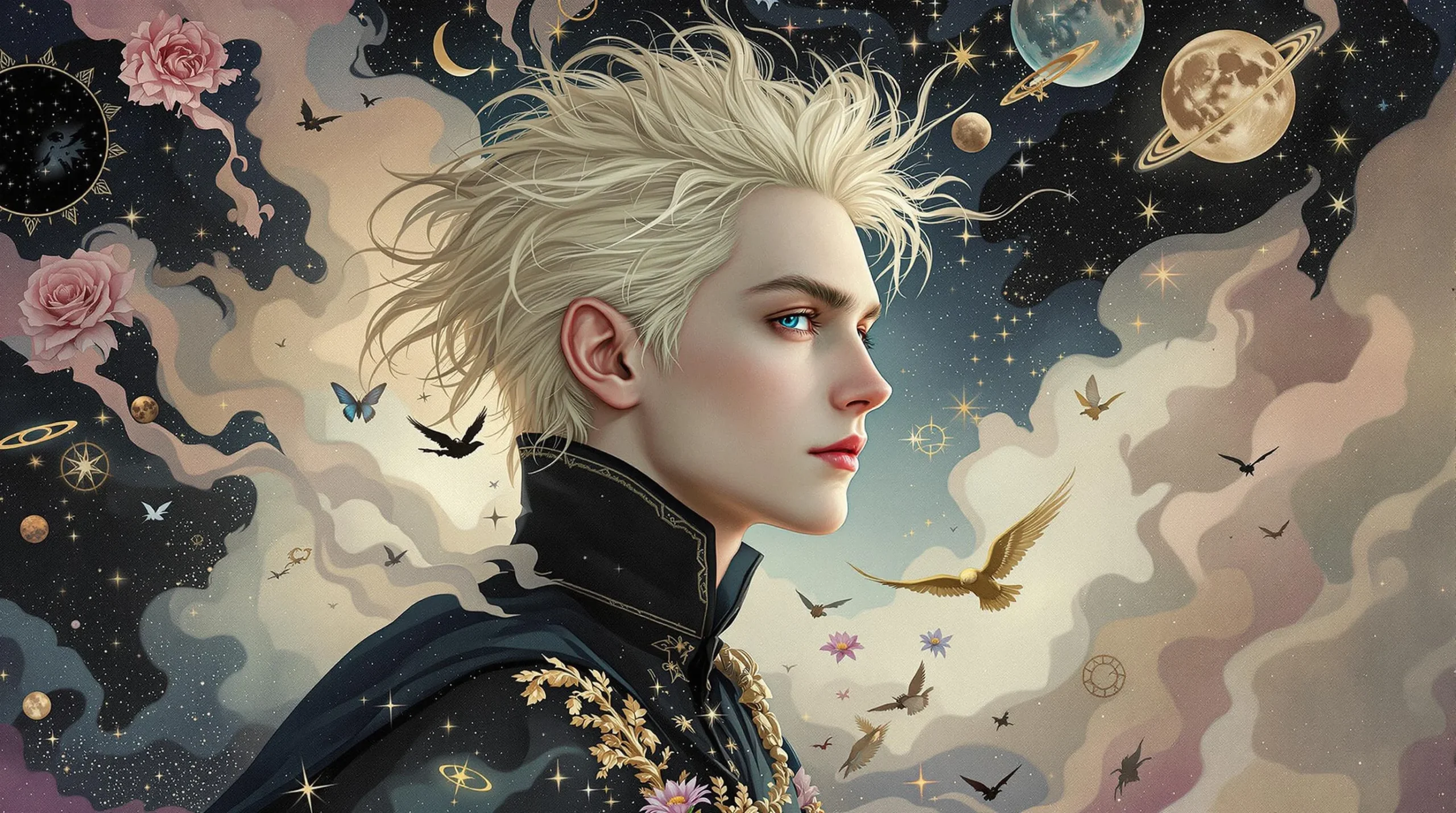
The Draco Malfoy archetype speaks to the exquisite tragedy of the gilded cage. It is the story of the person who has everything but freedom: the freedom to choose their own values, to dissent from the family creed, to be vulnerable without consequence. In personal mythology, this figure represents the part of us born into a script we did not write. This could be the legacy of a family business, an ideological inheritance, or the subtle but powerful expectations of a social class. Malfoy is a meditation on the nature of evil, suggesting it is not always a roaring fire of malice but often the creeping frost of conformity, fear, and a desperate desire for a patriarch's approval.
He is the shadow of the hero, a walking embodiment of the 'what if?' What if the protagonist had been given power instead of having to earn it? What if he had been taught that worth was an inheritance, not a quality of character? The Malfoy archetype forces a more compassionate and complicated understanding of antagonism. It challenges the simple binary of good and evil, suggesting that behind the sneer of a bully often lies the terror of a child afraid of failing a monstrous system. He is the patron saint of those who were taught the wrong lessons and must spend a lifetime unlearning them.
Ultimately, this archetype symbolizes the slow, painful genesis of an individual conscience within a collective identity. It’s about the moment the mask of inherited arrogance cracks to reveal the trembling face beneath. For one’s personal mythos, this is the recognition that our deepest struggle may not be against external monsters, but against the gilded, comfortable, and soul-crushing expectations that were passed down to us as a gift. It is the story of redemption, not through a grand, heroic act, but through a quiet, terrifying moment of refusal.