 Believe
 Fear
Fear Strength
 Weakness
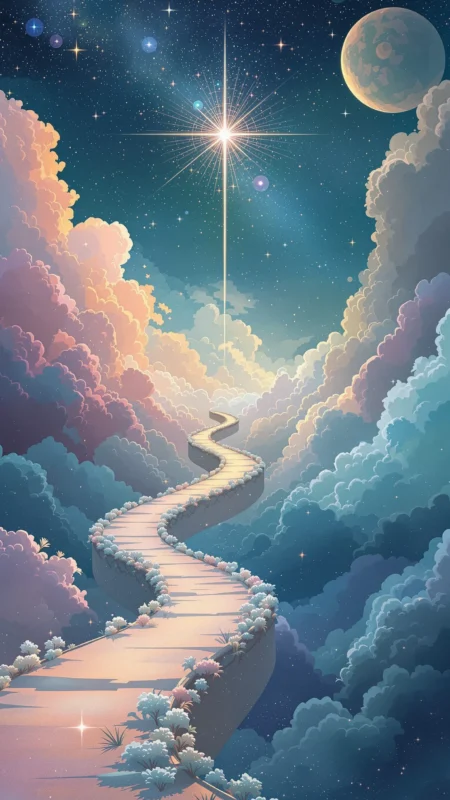
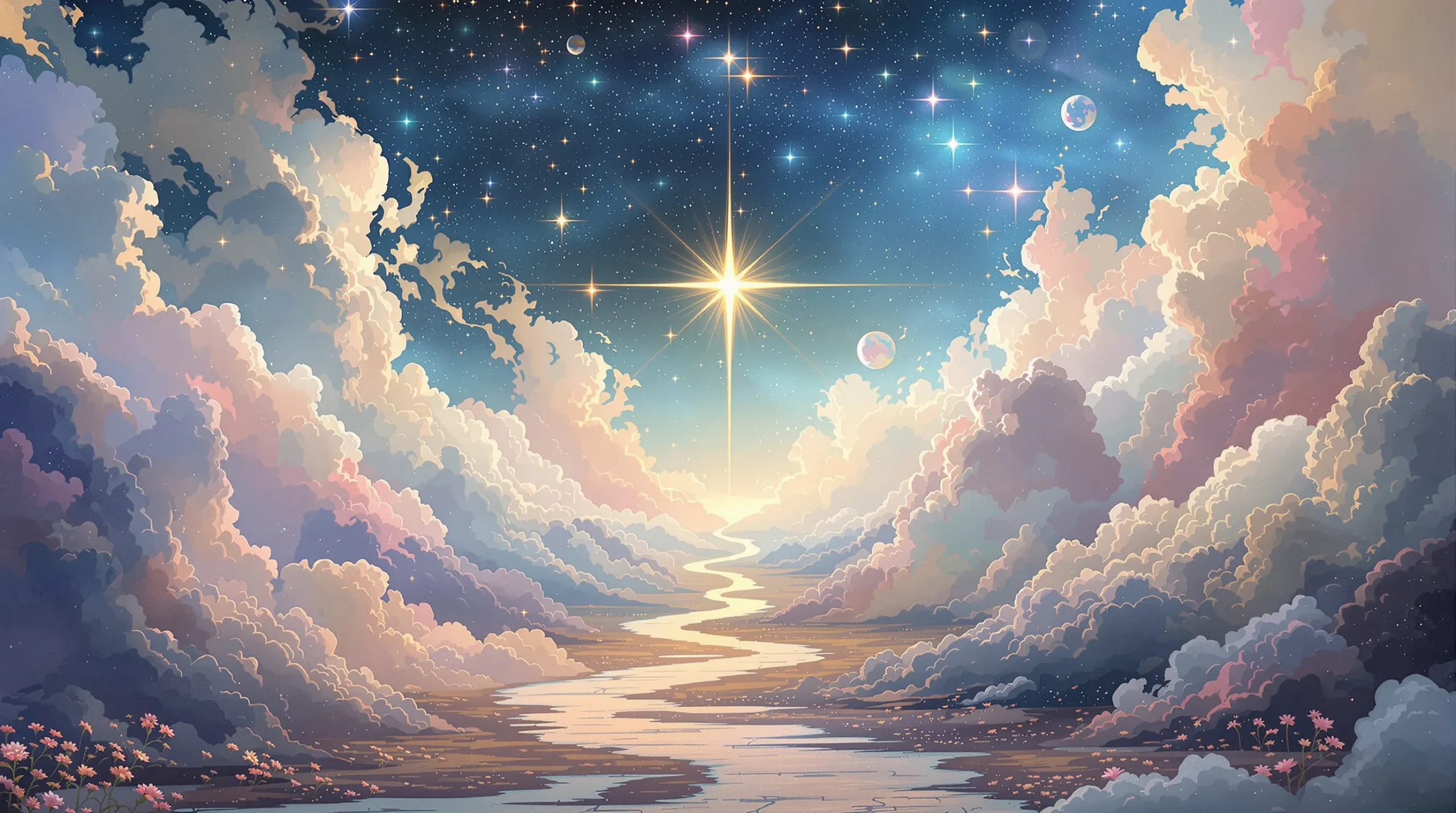
In your personal mythology, the Crossroads is the silent, humming pause before the story turns. It is the moment when all futures are simultaneously possible and impossible, held in the fragile suspense of a single decision. This archetype represents not just the choice itself, but the sacred space of potential that precedes it. To have the Crossroads in your mythos is to see your life not as a linear progression but as a series of pivotal junctures where you are called upon to be the sole arbiter of your own reality. It elevates the act of choosing from a mundane task to a ritual of self-creation. The landscape of your life story is marked by these intersections, each one a monument to a version of you that was left behind and a version that was brought into being.
The Crossroads also symbolizes the immense weight of agency. It suggests a universe that does not offer a single, pre-written destiny but rather a dizzying array of scripts from which you must select. This can feel like a profound freedom or an unbearable burden. The archetype may manifest as a recurring motif of anxiety, the ghost of the ‘what if’ that haunts every path taken. It is the recognition that every ‘yes’ is composed of a thousand ‘noes,’ that every journey forward requires a turning away. The meaning it lends to your mythos is one of radical accountability: the story is yours because its every twist and turn was, at some point, a deliberate, conscious choice made in a place where you could have gone any other way.
Furthermore, the Crossroads could be a symbol of connection and divergence. It is the point where disparate paths meet and where a single path fractures into many. In your life, this may represent the relationships that form at critical junctures or the points at which you must diverge from your family, your community, your past self. It is a place of both meeting and departure, a paradox of union and separation. It stands for the understanding that all journeys are interconnected, even if they lead to vastly different destinations, and that the most important moments are those where one story touches another before continuing on its own unique way.