Believe
 Fear
Fear Strength
 Weakness
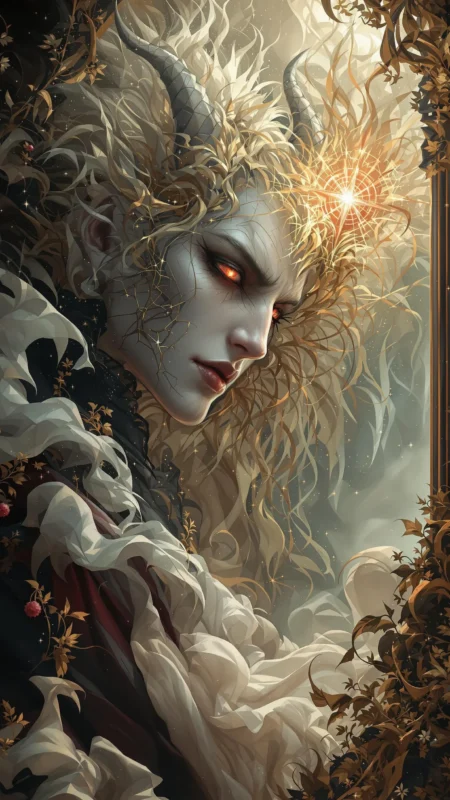
Count Dracula is, perhaps, the ultimate symbol of the parasitic aristocrat, the old world feeding on the blood of the new. He represents a dying class, a feudal lord whose power is both ancient and obsolete, clinging to existence by draining the vitality of the modern, progressive world. In a personal mythos, he may embody the seductive pull of tradition, the allure of an old and powerful lineage, real or imagined, that sets one apart from the bustling, artless present. His castle is the fortress of the past, his curse is the inability to evolve, a potent metaphor for anyone who feels their greatest strengths belong to a world that no longer exists.
The archetype is also a profound vessel for our relationship with desire, specifically that which is forbidden. He is the id unbound, a creature of pure appetite moving through the repressed Victorian world of the novel, and our own. The vampire’s bite is not merely an attack: it is an intimate, ecstatic, and transformative violation. To have Dracula in one’s personal mythology could be to grapple with a powerful libido or a set of desires that feel dangerous to the self or to others. It is to understand that the things we hunger for most may also be the things that have the power to unmake us, and that this dangerous edge is precisely the source of their allure.
Beyond the personal, Dracula can symbolize the anxieties of contagion and foreignness. He arrives from a distant, superstitious land, bringing a plague that corrupts blood and soul. He is the outsider who threatens to dissolve the community from within, exploiting its hospitality. For the individual, this might represent a fear of being corrupted by outside influences or, conversely, a self-identity as the 'other' who brings a dangerous, transformative truth to a complacent society. He is the walking, talking embodiment of the idea that the greatest threats do not announce themselves with cannons, but with a whisper and a mesmerizing gaze.