 Believe
 Fear
Fear Strength
 Weakness
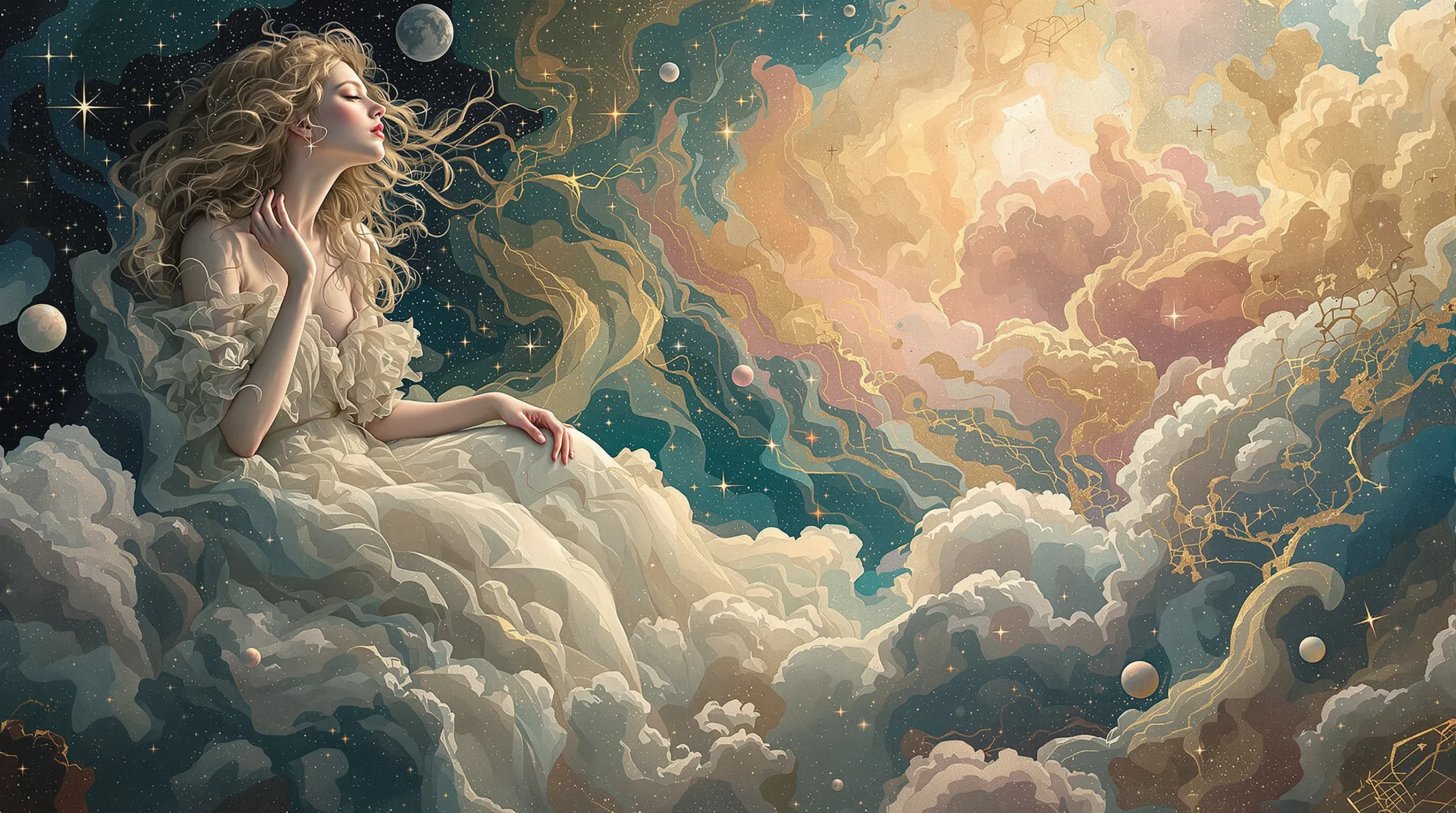
In personal mythology, the Coming of Age is not a singular event confined to adolescence, but a recurring season of the soul. It is the moment the map given to you by your elders no longer matches the territory under your feet. This archetype represents the psychic earthquake that demolishes old structures of identity, leaving you to build something new from the rubble. It is the sacred and terrifying process of molting: the shedding of a too-small skin, the vulnerability of the raw self exposed to the elements, and the slow hardening of a new, more expansive shell. To live within this story is to understand that life is a series of initiations, each one demanding the sacrifice of a former self for the birth of a future one.
This archetype perhaps finds its modern power in its validation of messy, non-linear growth. It refutes the clean narrative of steady progress, offering instead a story of rupture and repair, of falling apart and stitching oneself back together with threads of newfound wisdom. The symbolism is potent: a key turning in a lock for which you never knew you had a door, the first glimpse of an ocean after a lifetime in a landlocked valley, the awkward grace of a fawn finding its legs. It suggests that our most profound moments of becoming are often characterized by clumsiness, confusion, and a painful awareness of our own inadequacy: a necessary apprenticeship to authenticity.
Within a personal mythos, embracing the Coming of Age means accepting that you are a perpetual becoming. The core of this archetype is the tension between memory and potential, between the gravitational pull of the past and the siren song of an unwritten future. It is the inner dialogue that asks: Which parts of my inheritance must I carry forward, and which must I respectfully leave by the side of the road? It sanctifies the journey of self-discovery, framing it not as self-indulgence, but as a crucial, heroic undertaking. It is the story of how we become the authors of our own lives, line by painful, beautiful line.