 Believe
 Fear
Fear Strength
 Weakness
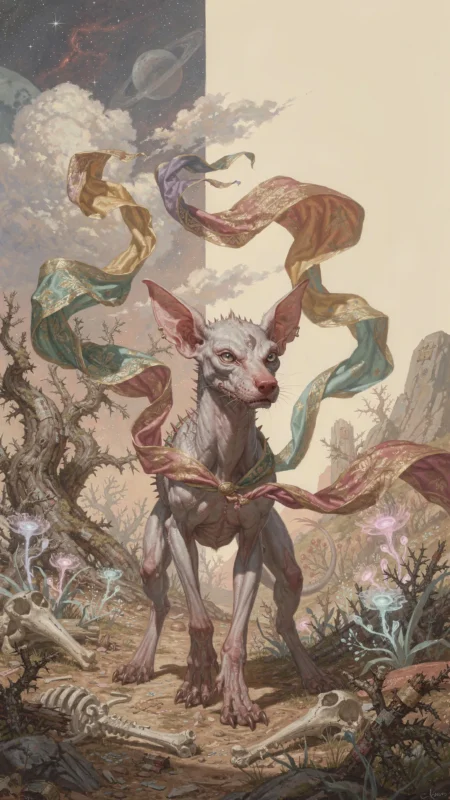
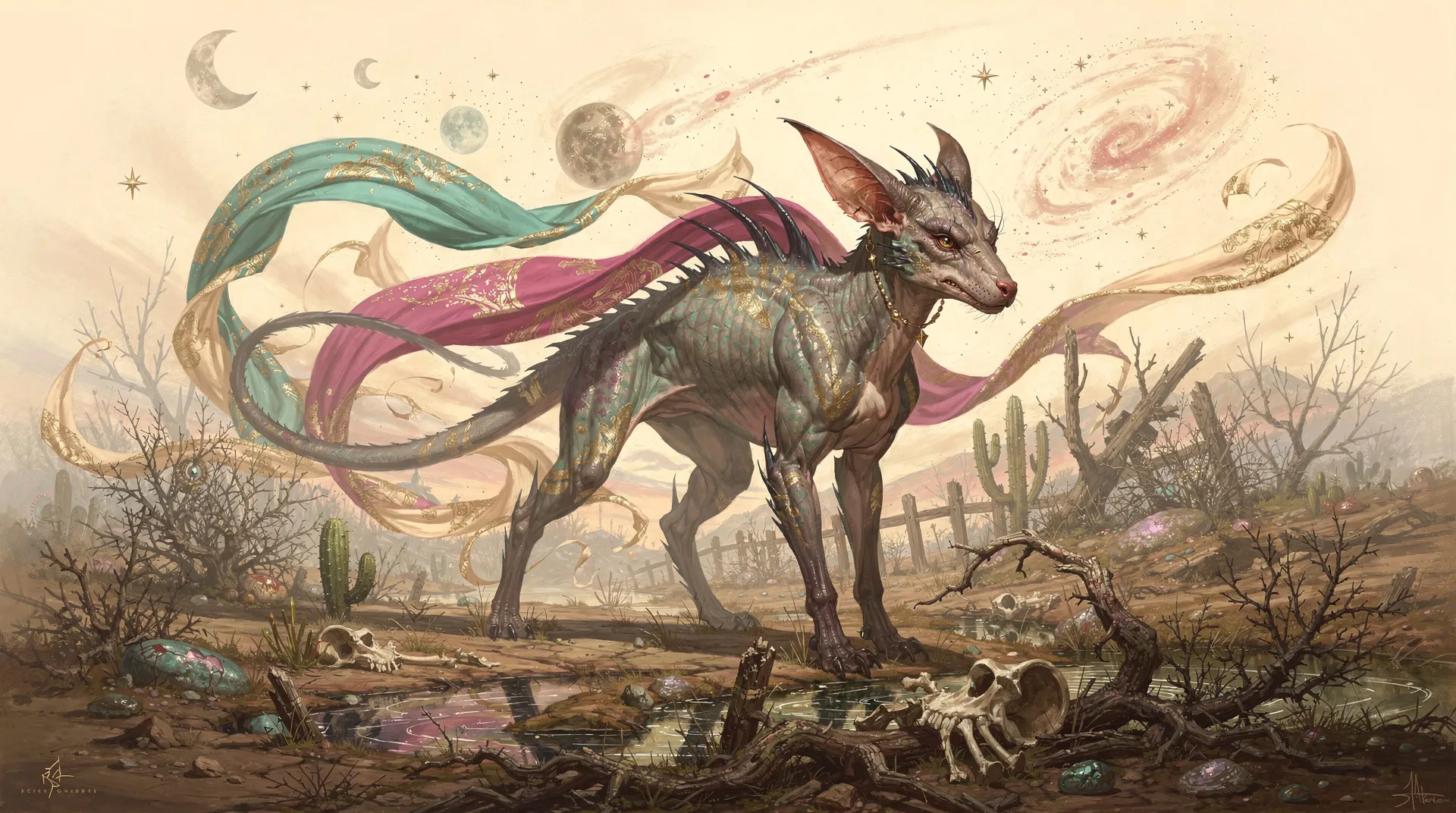
The Chupacabra materializes in the twilight where modernity frays. It may be a symbol of globalization's anxieties: a foreign, invasive creature that upsets the local ecosystem, a specter born of NAFTA-era fears in its native Puerto Rico. It represents a nameless drain, the feeling that unseen forces are siphoning vitality from the community, be it economic, cultural, or spiritual. In your own mythology, its presence could signify a period where you feel your own life force is being mysteriously depleted by a job, a relationship, or a societal pressure you cannot quite name. It asks you to look for the strange tracks around the edges of your life.
It is also, perhaps, the ultimate scapegoat for the inexplicable. When the complexities of science, economics, or even mundane tragedy become too much, the mind may crave a monster to blame. The Chupacabra is a vessel for this need, a tangible entity to fear instead of abstract decay or systemic failure. For an individual, this archetype could surface when you are tempted to project your own inner turmoil or failings onto an external 'monster.' It challenges you to question what you are truly afraid of: the creature in the night, or the unsettling silence and ambiguity it leaves in its wake.
More profoundly, the Chupacabra is a creature of the borderlands. It is not quite alien, not quite terrestrial; not quite reptile, not quite mammal. It embodies a liminal state of being, a radical otherness that defies our neat categories. To have the Chupacabra as part of your personal mythos is to feel an affinity for these liminal spaces. It is to find a strange comfort in ambiguity, to understand that identity can be fluid and unsettling to others. You may recognize that true vitality often exists outside the fences of convention, in the weird and uncharted territories of the soul.