 Believe
 Fear
Fear Strength
 Weakness
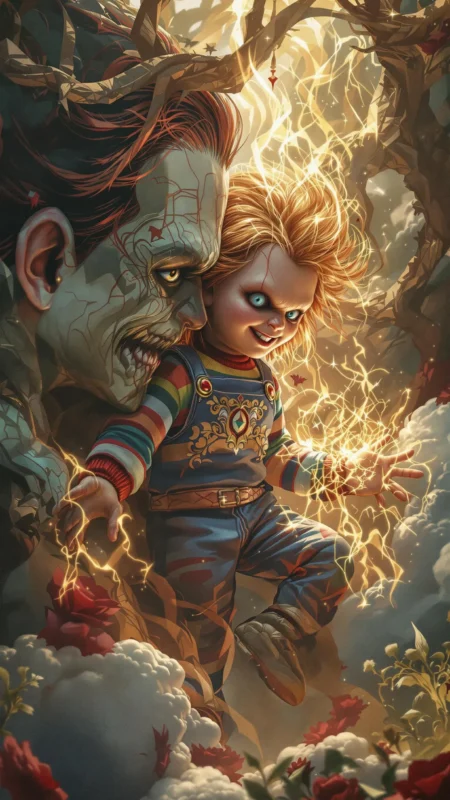
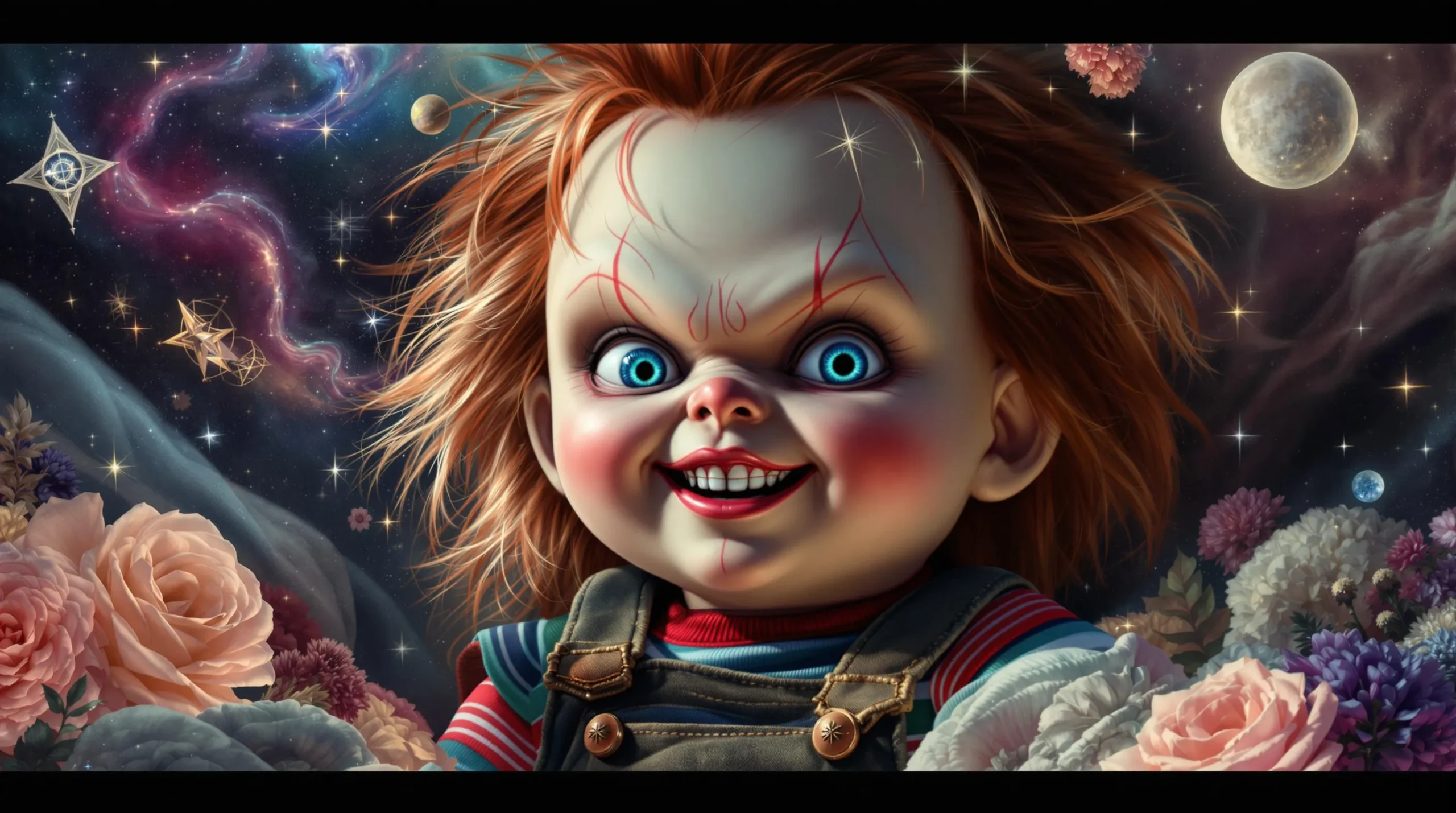
The archetype is a chilling portrait of innocence perverted. Chucky weaponizes the very concept of childhood, transforming a vessel of comfort and companionship into an agent of pure malice. To have him in one's personal mythology is to carry the knowledge that the safest-seeming things can harbor the deepest betrayals. It speaks to a primal disillusionment: the moment we learn that a home is not always a haven, that a friendly face is not always a friend, that the symbols of our youth can be retroactively poisoned by the grim realities of the world. He is the monster that doesn't hide in the closet but sits smiling on the bed, a constant reminder of trust betrayed.
Chucky may also be the patron saint of underestimated rage. His diminutive stature and plastic shell are a prison for a colossal and violent ego. This could symbolize the volcanic fury that builds within those who feel marginalized, infantilized, or ignored by society. He is the psychic scream of anyone who has been patted on the head while feeling capable of murder, metaphorically speaking. This archetype gives form to the terrifying power that can be generated by powerlessness, the way that being consistently dismissed can ferment a private, potent, and dangerous sense of self that the world fails to see until it is far too late.
The doll’s uncanny ability to be destroyed and return, often stitched together, scarred, and uglier than before, is a profound metaphor for the persistence of trauma and malevolence. He suggests that our demons are not so easily vanquished. You can burn them, bury them, or discard them, but they may simply come back in a new form, pieced together from the remnants of the old. In a personal mythos, this could represent the cyclical nature of a bad habit, a recurring depression, or an unresolved conflict. Chucky’s immortality is not triumphant; it is a curse, a narrative loop of horror that must be confronted again and again.