 Believe
 Fear
Fear Strength
 Weakness
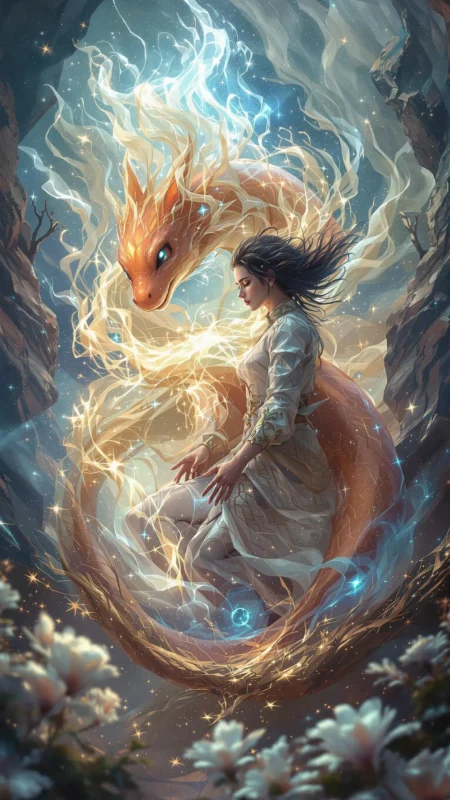
The Charmander is, perhaps, the modern myth for nascent potential. It is the archetype of the promise, the living embodiment of the first chapter. To have Charmander in your personal mythology is to see your life’s core essence as a small, precious flame that requires constant tending. This is not the bonfire of achievement or the inferno of mastery. It is the pilot light of the soul. Its existence suggests that your most sacred duty is not to achieve greatness, but to protect the possibility of it. The flame is your passion, your life force, your creative spark, and it is visibly, terrifyingly fragile. Every cold wind of criticism, every downpour of despair, threatens to extinguish it forever. The world is divided into that which fuels the flame and that which snuffs it.
This archetype also carries the weight of a profound bargain. The flame promises immense power, the evolution into a winged, fire-breathing titan, but only if you can carry it through its most vulnerable stages. This is the myth of the long game, of delayed gratification written into flesh and fire. It demands a quiet, often lonely, stewardship. One may feel an intense, almost parental responsibility for one’s own inner spark. It shifts the focus from external validation to internal monitoring: is my flame burning brightly? Is it sputtering? What does it need right now: fuel, shelter, or simply to be left alone to burn?
Furthermore, the Charmander mythos redefines strength. Strength is not the absence of vulnerability: it is the endurance of it. The creature is small, easily defeated, and emotionally volatile. Yet, its continued existence is an act of defiance. To survive the rain, to endure abandonment, to keep the flame alive against all odds, this is the victory. It suggests that the most heroic part of a journey is not the final battle, but the quiet, desperate, and often unseen struggle to simply keep going when your spirit is at its lowest ebb.