 Believe
 Fear
Fear Strength
 Weakness
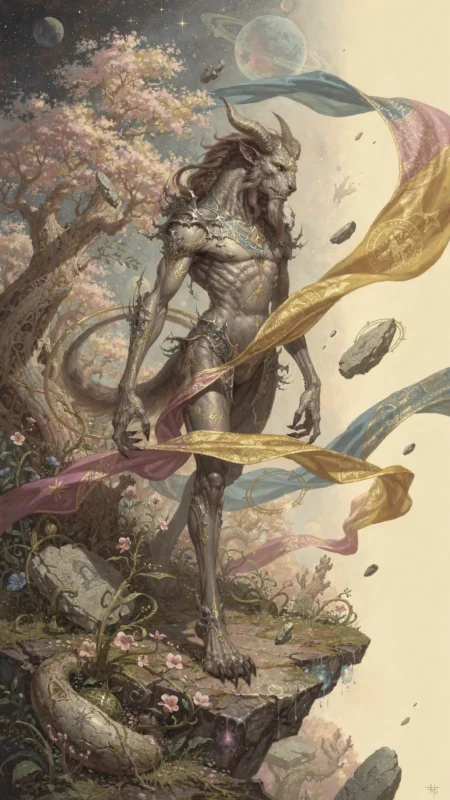
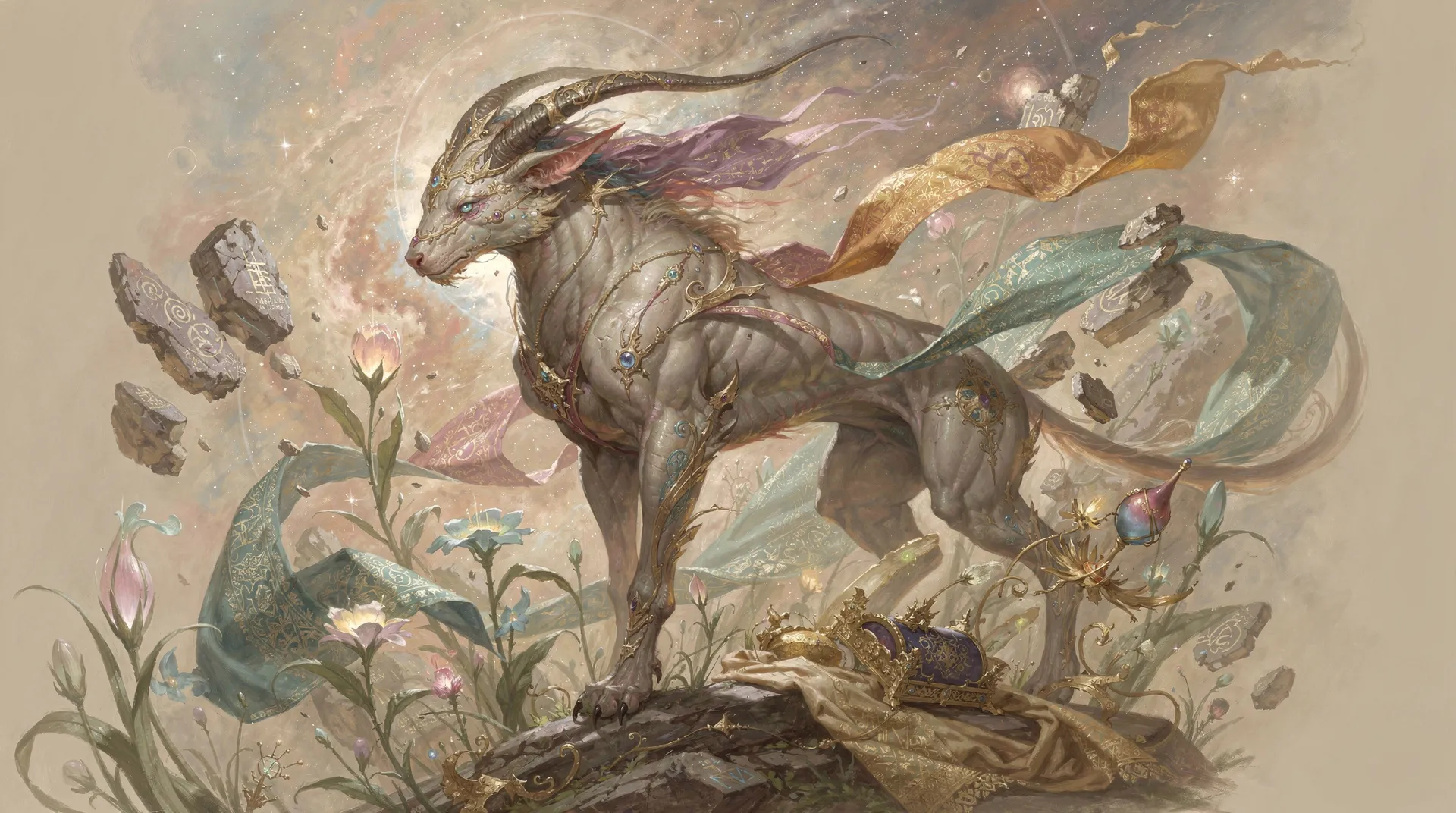
The Beast is the archetype of our own repressed wildness, the untamed, instinctual self that civilized life demands we cage. It is the roar beneath the polite response, the surge of passion under a placid surface, the hulking shadow that follows our curated public persona. In personal mythology, the Beast may not be a monster to be slain, but a sovereign to be honored. It represents the body, in all its appetites and powerful urges, and the parts of our emotional landscape we have deemed ugly or unacceptable: our rage, our grief, our overwhelming desires. The story of the Beast is often the story of learning that this creature is not an aberration, but an essential part of our wholeness.
To have the Beast in your mythos is to grapple with the profound power and profound pain of being 'too much'. It is the embodiment of raw authenticity in a world that often prefers performance. The Beast’s castle is a potent symbol for the intricate defenses we build to protect a vulnerable, misunderstood core. It is both a fortress and a prison, a space of self-imposed exile where we retreat when the world proves itself incapable of seeing past our frightening exterior. The central lesson of this archetype is integration, not eradication. The magic lies in the moment of acceptance, when another being, or perhaps the self, finally looks upon the monster and is not afraid.
This archetype challenges the simple binary of good and evil, beautiful and ugly. The Beast, for all his ferocity, often possesses a deeper nobility, a raw-hearted vulnerability that the 'civilized' characters lack. He is, in a sense, more honest. He cannot hide his nature. His journey suggests that our greatest strength may lie in the very parts of ourselves we have been taught to fear and hide. It is a call to reclaim our instincts, to honor our territorial needs, and to understand that true transformation comes not from becoming someone else, but from allowing our most authentic, if untamed, self to be loved.