 Believe
 Fear
Fear Strength
 Weakness
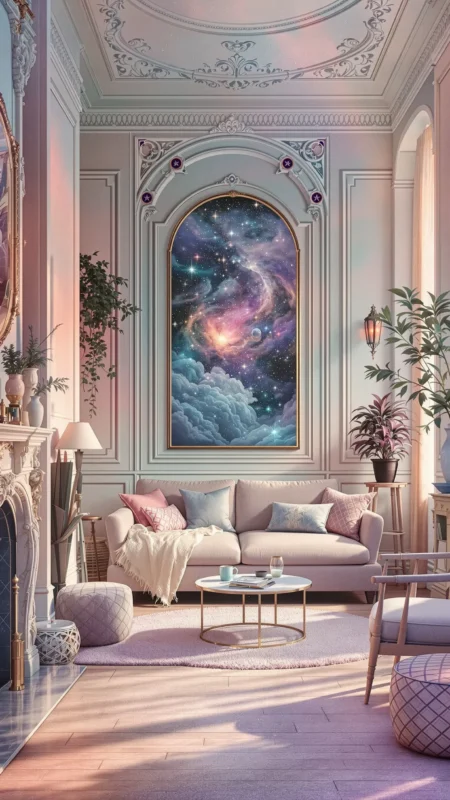
The Apartment, in the personal mythos, is a container for the self. It is a psychological construct as much as a physical one, a rented space in the larger structure of society. Its symbolism is tied to a modern form of identity: fluid, adaptable, and defined by carefully curated boundaries. Unlike The House, which speaks of roots and generations, The Apartment speaks of the present chapter. It may represent a period of profound becoming, where the individual, separated from their origins, must construct a world from scratch within a pre-fabricated shell. The very act of furnishing an apartment becomes a ritual of identity formation, each object a chosen artifact for the museum of the self.
Furthermore, the archetype carries the tension between the private and the public. The walls are thin. The lives of others are a constant, muffled soundtrack. This could symbolize the porous nature of our own consciousness, our inability to ever be truly separate from the collective. The shared hallways, the communal laundry room, the anonymous notes about noise: these are the liminal spaces where our private myths intersect. To live with this archetype is to be in constant, subtle negotiation with the other, to understand that your story is a single unit in a much larger, more complex building.
Its meaning is also found in its limitations. The floor plan is fixed, the views are predetermined, the rules are set by an unseen landlord. This may reflect a feeling of living within systems beyond one's control. And yet, the genius of the archetype lies in the freedom found within those constraints. It suggests that true creativity and selfhood are not born from infinite possibility, but from the artful way we inhabit the spaces we are given. The Apartment teaches that a universe can be built in a single room.