 Believe
 Fear
Fear Strength
 Weakness
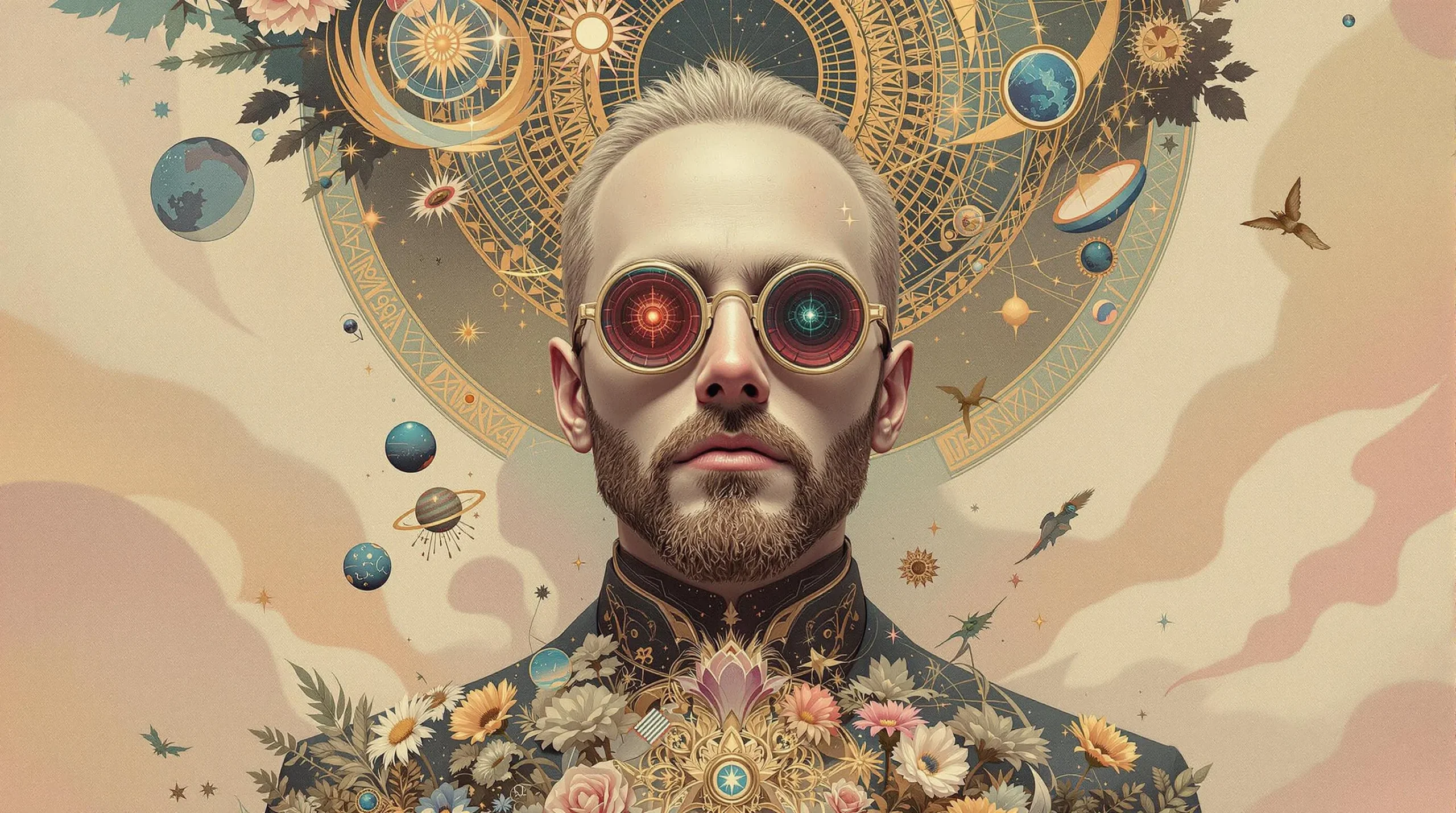
Agent Smith is the modern myth of the System made flesh. He is not merely a guard of the prison; he is the logic of the prison itself, a walking algorithm of control. He symbolizes the dehumanizing force of any rigid structure: the corporation that sees employees as resources, the bureaucracy that values procedure over people, the ideology that demands absolute conformity. In a personal mythology, Smith represents the part of the world, or the self, that seeks to impose order by eliminating the beautiful, messy chaos of individuality. He is the sleek, black suit of inevitability, the dark glasses that hide a void where a soul should be. His purpose is to stamp out the glitch, but the glitch, your mythos might suggest, is where humanity resides.
The archetype’s evolution, from agent to virus, is perhaps its most profound metaphor. A system designed to maintain control suddenly breaks its own rules to survive, becoming a cancer that threatens to consume its host. Smith, unplugged from the machine, acts on his own nihilistic purpose. This could symbolize an idea that has become fanatical, a personal rule that has become a pathology, or a society’s immune system turning on itself. He is what happens when a tool becomes the master, when the pursuit of a single goal, no matter how logical, becomes a plague of meaninglessness that devours everything.
The final layer of his symbolism is paradox. He exists only to destroy his opposite, Neo. Without the anomaly, he has no purpose. This symbiotic antagonism speaks to a deep truth in personal mythology: sometimes, we need an oppressor to become a hero. We require a system to push against to discover the shape of our own freedom. Smith’s very existence, therefore, is a testament to the power of the individual he seeks to erase. He is the ultimate confirmation that your anomalous nature is so powerful, the system had to generate a god-like entity just to try and contain it.