 Believe
 Fear
Fear Strength
 Weakness
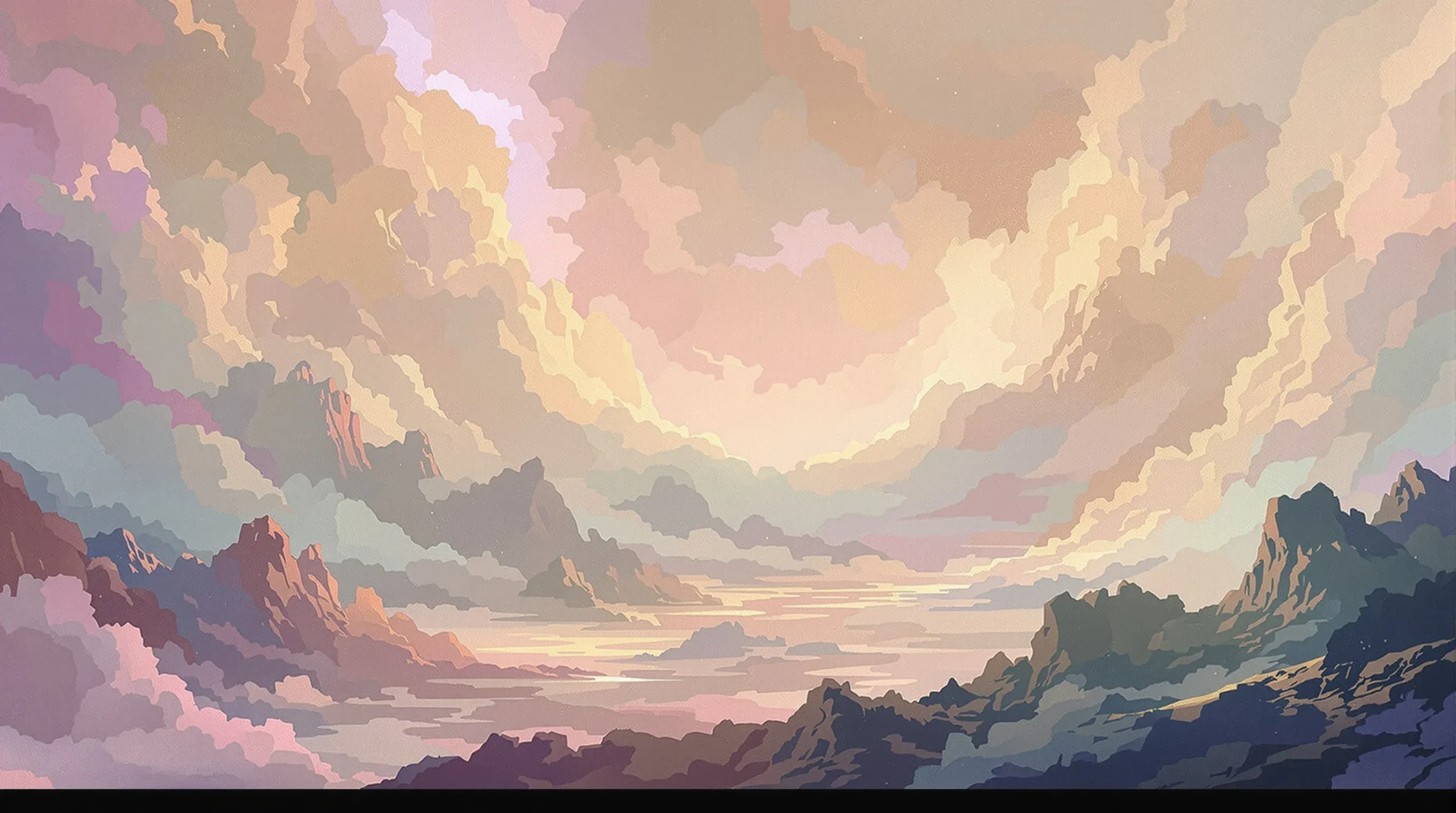
In personal mythology, the Plateau represents the crucial, often misunderstood, periods of integration. Our stories are typically structured around ascents and descents: the struggle up the mountain, the fall into the abyss. The Plateau, however, honors the time in between. It is the long, high plain you reach after a significant effort, a place where you are no longer climbing but are not yet descending. This may be the period after a great achievement, the quiet after a storm, or a phase of life where external changes cease. Its symbolism is potent: it suggests that growth is not always vertical. True transformation, perhaps, requires a horizontal journey: a walking out, a deepening, an inhabiting of the new level you have attained.
The Plateau is a landscape of quiet contemplation. Its vast, open space could mirror a state of mind cleared of the clutter of striving. Here, one has the perspective of height without the instability of a peak. You have room to move, to think, to build. In a culture that relentlessly fetishizes the next goal, the next peak, the Plateau archetype offers a radical alternative. It champions patience, sustainability, and the profound wisdom that can only be cultivated when one stops to live on the ground they have gained. It is the space where experience hardens into wisdom, where the lessons of the climb are sorted, catalogued, and finally understood.
Yet, the symbolism carries a note of caution. The Plateau can be a place of exposure, of vulnerability. Without the shelter of forests or the enfolding of valleys, you are open to the harshest elements. This could symbolize a period where you feel emotionally or spiritually exposed, with no place to hide from difficult truths. It might also represent a subtle slide from rest into stagnation. The line between a meditative pause and a fearful refusal to engage with the world's complexities is thin, windswept, and easy to miss. The Plateau asks a crucial question: are you resting, or are you hiding?